
What is a Power Surge?
A power surge, also known as a transient voltage surge or spike, is a short duration increase in the voltage of the power supply above the specified normal voltage. Surges can be caused by things like lightning strikes, power grid issues, motor startup current draws, or when large electrical equipment is shut off. They can last from nanoseconds to seconds and are often higher in voltage than the normal operating voltage of electronic devices, which subjects them to higher than normal electric stress that can damage or destroy sensitive components.
Types of Power Surges
There are a few different types of power Surge Protection Devices that can affect electrical devices:
- Lightning-Induced Surge: One of the most common surge types is from a nearby lightning strike. Lightning carries immense power and its electromagnetic pulse can induce thousands of volts onto power lines and wiring within buildings.
- Utility Surge: Issues on the main power grid like downed power lines, switching of large loads by utilities, or faulty transformers can all send surge voltages back into homes and businesses.
- Switching Surge: Even normal switch-on and switch-off events of large loads like air conditioners, refrigerators, or well pumps can momentarily stress the electric system and generate a switching surge.
- Plugging and Unplugging Devices: Simply connecting or disconnecting an electronic device from the wall outlet can cause small surges from several hundred to around 1000 volts.
What Damage Can Power Surges Cause?
The sudden spike in voltage from a power surge can overwhelm the tolerance of electronic components like integrated circuits, capacitors, and transistors. Some of the damage that can result includes:
- Burned Out Circuits: Sensitive circuits can be destroyed by too high of a voltage or current spike that physically burns traces on circuit boards.
- Degraded Components: Lower level surges may gradually degrade components over time through accumulated electric stress, reducing their lifespan.
- Logic Disruptions: Even surges below the damage threshold can still disrupt logic functions or introduce data errors to memory chips and storage drives.
- Electrical Fires: In severe cases, a large surge can overheat components to the point of ignition, creating an electrical fire hazard.
Protecting Equipment from Power Surges
Given the disruptions and costs electronic failures can cause, it's important to take steps to protect sensitive devices from power surges:
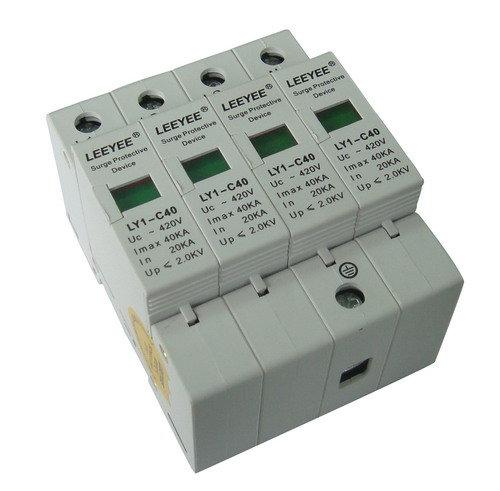
- Surge Protective Devices (SPDs): Commonly called surge protectors or surge suppressors, SPDs work by diverting surge energy safely to ground before it reaches connected equipment. Look for UL 1449 rated units.
- Uninterruptible Power Supplies (UPS): A UPS provides battery backup power and double surge protection from its input/output filters. They are essential for protecting critical systems and data.
- Grounding and Bonding: Proper grounding and bonding of all electrical systems and interconnects is a key baseline of surge protection, ensuring a low-impedance path to ground.
- Surge Protection on Service Entrances: For whole-home or whole-building protection, install surge protection devices near the electrical breaker panel on utility service entrance lines.
- Lightning Rods and Diverters: For direct lightning strike areas, use dedicated air terminals, strike termination cables, and diverters to route strikes harmlessly to ground.
- Auto/Manual Breaker Disconnects: Some systems allow you to remotely or manually disconnect breakers during storms for a temporary level of protection.
With smart investment in surge protection methods tailored to your environment and equipment needs, you can provide an important layer of defense that keeps devices running safely for years to come. Reliable surge protection is especially critical as we rely more heavily on technology in our work, entertainment, and daily lives.
Properly Sized and Applied Surge Protection
When implementing surge protection solutions, there are some important best practices to follow:
- Size Protection to the circuit: Do not overload a single SPD with too many protected devices or too large a load. Use multiple units if needed.
- Install at device locations: Surge protection works best when placed close to what needs defending rather than centrally for all equipment.
- Consider Location Hazards: Outdoor or storm-prone areas require sturdier, higher rated protection than indoors. Hardwired solutions beat plug strips.
- Maintain SPD units: Check status lights for proper functioning and replace spent units every few years for continued reliability.
- Bond all Grounds/Neutrals: Isolate surge circuit grounds from downstream neutral wires, but ensure continuous grounding conductors.
- Cover Communications Lines: Don't forget low voltage systems like data, phone, coax, and audio/video need surge protection gateways too.
Careful selection and installation of the right surge protective solutions can safeguard spaces of any size. Qualified electrical contractors have the training to analyze needs and install comprehensive systems for lasting surge immunity. The small investment pays off in protecting equipment worth far greater value.
About Author:
Priya Pandey is a dynamic and passionate editor with over three years of expertise in content editing and proofreading. Holding a bachelor's degree in biotechnology, Priya has a knack for making the content engaging. Her diverse portfolio includes editing documents across different industries, including food and beverages, information and technology, healthcare, chemical and materials, etc. Priya's meticulous attention to detail and commitment to excellence make her an invaluable asset in the world of content creation and refinement.
(LinkedIn- https://www.linkedin.com/in/priya-pandey-8417a8173/)