
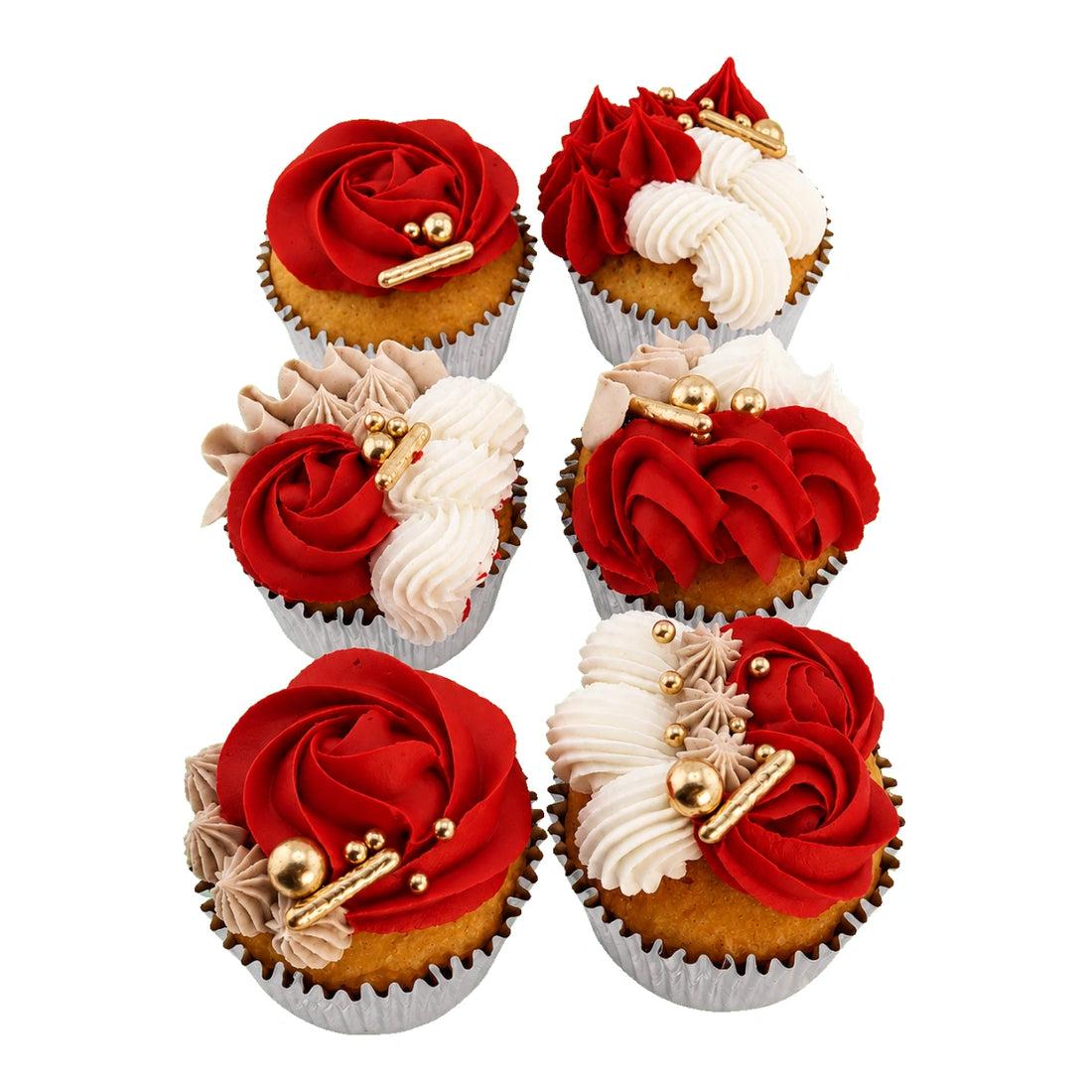
Cake decorating can look complicated when you first see a beautifully finished cake or a tray of detailed cookies. In reality, much of the result comes down to choosing the right decorating materials and learning how each one behaves. Fondant, edible colours, cookie stamps and lettering tools all have different uses. Knowing when and how to use them can make decorating much easier.
Whether you are making a birthday cake at home or preparing a small batch of decorated cookies, the tools and materials you choose can affect the final texture, shape and appearance. Some products are better for smooth cake coverings, while others are designed for fine details or raised decorations.
What Is Fondant and Why Is It Used?
Fondant is a soft icing that can be rolled out and placed over a cake. Unlike buttercream, which has a creamy texture, fondant creates a smooth outer surface. It is also flexible enough to shape into simple decorations, figures, flowers and other details.
Satin Ice Fondant is one type of ready-to-use fondant commonly used for cake covering and decorating. Like other fondants, it needs to be kneaded before rolling so that it becomes soft and workable. If it feels too firm, working it gently with your hands can help improve its texture.
The thickness of the fondant matters too. If it is rolled too thin, it can tear easily when placed over a cake. If it is too thick, the finished cake may feel heavy or overly sweet. A fairly even layer is usually easier to handle and gives a cleaner finish.
Getting a Smooth Cake Surface
Fondant does not hide every mistake underneath it. A cake with bumps, gaps or uneven layers can still look uneven after the fondant is applied. This is why the preparation underneath is important.
Start with a cake that has been filled and covered with a suitable layer of buttercream or another icing. Smooth the surface as evenly as possible and allow it to firm slightly before adding fondant.
When placing fondant on the cake, avoid pulling it down too quickly. Instead, gently smooth the top first and then work around the sides. This helps reduce folds and trapped air.
A fondant smoother can also help create a neat finish. Work slowly rather than pressing too hard. Small adjustments are usually easier than trying to correct a large fold later.
Adding Colour to Cake Decorations
Colour is often where a simple cake starts to become more personal. Edible colour products can be mixed into fondant, icing or other decorating materials, depending on their intended use.
Rolkem colours are used by decorators for adding shades to edible decorating materials. When working with concentrated colours, it is better to add a very small amount at first. Colours can become much stronger as more pigment is mixed in, so adding too much at once can be difficult to correct.
For darker shades, the colour may also deepen after the fondant or icing has rested for a while. Giving the mixture some time before adding more colour can therefore prevent an unnecessarily strong result.
Cookie Stamps for Simple Details
Decorated cookies do not always need complicated piping. A stamp can create a clear pattern or message with much less work.
Sarah Maddison Cookie Stamps are an example of reusable decorating tools designed to press patterns, letters or other details into cookie dough. The main thing to remember is that the dough needs the right consistency. If it is too soft, the design may lose its shape. If it is too cold or firm, pressing the stamp may cause the dough to crack.
Lightly dusting the stamp or using a suitable non-stick method can also help prevent dough from sticking. Press the stamp evenly rather than rocking it from side to side.
Cookie stamps are especially useful when making several cookies that need the same design. They help keep the pattern consistent without requiring every piece to be drawn by hand.
Lettering and Small Decorative Details
Writing on cakes and cookies can be surprisingly difficult. Even spacing, consistent letter size and clean edges take practice.
Sweet Stamp tools are designed to make edible lettering and impressions easier to create. They can be useful when a decorator wants a repeated word, name or short message to have a more uniform appearance.
When using letter stamps, placement is important. Before pressing the letters into fondant, it helps to lightly mark where the wording should sit. This is particularly useful when working with a name or phrase that needs to be centred.
For cookies, always consider the size of the surface before choosing the lettering. A long message may look crowded on a small cookie, while a short word can leave too much empty space on a larger one.
Common Decorating Mistakes
One common mistake is trying to work too quickly. Fondant can become difficult to handle when it dries out, while cookie dough can become too soft if it sits at room temperature for too long.
Another problem is using too much colouring at once. Strong colours are easier to build gradually than to reduce later.
Uneven pressure is another issue with stamps. If one side of a stamp is pressed harder than the other, the design may appear deeper on one side. Practising on spare fondant or dough first can help you understand how much pressure is needed.
It is also worth keeping decorating tools clean and dry. Small pieces of dried icing or dough can affect fine patterns and lettering.
Tips for Better Decorating Results
A few simple habits can make decorating less frustrating:
Prepare Everything First
Have your fondant, colours, cutters, stamps and basic tools ready before starting. Searching for equipment halfway through a project can make the process messy.
Work With Small Amounts
When adding colour or making small decorations, work with manageable portions. This gives you better control and reduces waste.
Allow Time for Details to Set
Small decorations often need time to firm up before being placed on a cake or cookie. Handling them too soon can leave fingerprints or change their shape.
Practise Before the Final Cake
If you are trying a new stamp, colour combination or lettering technique, test it on spare material first. A quick practice can reveal problems before they appear on the finished dessert.