
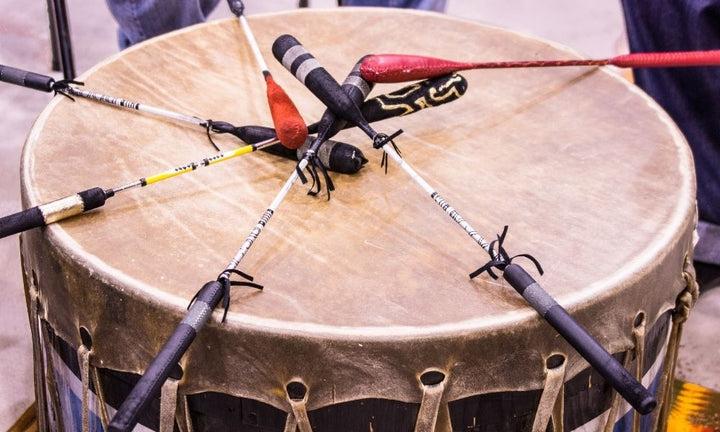
For many people, the first time they hear the steady pulse of a shaman drum, something shifts inside. It’s not loud. It’s not flashy. But it reaches places words often can’t. That steady rhythm has been used across cultures to support prayer, healing, reflection, and connection — not as entertainment, but as a tool.
As interest grows, more people are searching for shaman drums for sale, trying to understand what a Native American shaman drum truly is, or wondering whether a shaman hand drum is right for their personal or ceremonial practice. With that interest comes confusion, misinformation, and, unfortunately, a lot of mass-produced drums labelled “shamanic” without much understanding behind them.
This article is meant to slow things down and offer clarity — not from a marketing perspective, but from lived experience.
What Is a Native American Shaman Drum?
The term shaman drum is often used broadly, and that’s important to acknowledge. Many Indigenous cultures across the world use frame drums in spiritual contexts, each with its own teachings, songs, and protocols. In Native American contexts, what people call a “shaman drum” is typically a handheld frame drum used for:
-
Personal prayer
-
Healing work
-
Meditation or reflection
-
Song and storytelling
-
Spiritual guidance
It is not a prop, costume item, or decorative object. Traditionally, it is a working tool — one meant to support intentional practice.
At Tachini Drums, we are careful with language. While “shaman drum” is a common search term, what matters most is how the drum is built and how it is used, not just what it’s called.
The Meaning Behind the Drum
A Native American shaman drum is often described as a heartbeat. That description isn’t poetic — it’s practical.
The steady rhythm:
-
Grounds the mind
-
Supports focus
-
Helps regulate breathing
-
Creates a sense of safety and continuity
In many traditions, the drum is understood as a helper. It’s not worshipped, but it is respected.
The meaning of the drum grows over time, shaped by:
-
The intention of the person using it
-
The experiences it accompanies
-
The care it receives
-
The songs or prayers it supports
This is why no two drums, even when built similarly, ever feel the same.
How Shaman Hand Drums Are Used
Shaman hand drums are typically used in more intimate settings than large ceremonial drums. Their size and portability make them well-suited for personal and small-group work.
Common uses include:
-
Healing sessions – Supporting focus and calm
-
Meditation – Maintaining steady rhythm for extended periods
-
Prayer and reflection – Offering rhythm rather than words
-
Teaching – Helping students feel rhythm in the body
-
Personal grounding – Especially during emotional or spiritual work
The drum does not do the work for you. It supports the space in which the work happens.
Construction: Why Build Matters
One of the biggest differences between an authentic shaman hand drum and a commercial imitation is construction quality.
A true shaman drum is built to be:
-
Responsive to the player
-
Comfortable to hold for long periods
-
Balanced in weight
-
Stable across changing environments
Key Elements of a Quality Shaman Drum
Rawhide
Natural rawhide is essential. It breathes, responds, and carries warmth that synthetic materials simply cannot replicate.
Common choices include:
-
Buffalo – Deep, grounding tone
-
Elk – Warm and flexible
-
Deer – Lighter, more sensitive response
The hide should be:
-
Even in thickness
-
Properly cleaned
-
Naturally dried
-
Free from weak spots
Frame
The frame must be:
-
Strong but lightweight
-
Evenly bent
-
Matched to the hide’s tension
A poorly made frame can cause tuning issues or long-term warping.
Lacing
Lacing isn’t decorative. It controls tension, balance, and longevity. Proper lacing:
-
Distributes stress evenly
-
Allows natural movement of the hide
-
Supports consistent sound
Sound: What to Listen For
A Native American shaman drum is not meant to be sharp or piercing. The sound should feel supportive, not demanding.
A good shaman hand drum produces:
-
A steady, grounding tone
-
Even response across the surface
-
Warmth rather than brightness
-
Clarity without harshness
The goal isn’t volume. It’s presence.
Cultural Respect and Responsibility
This part matters.
Not every drum labeled “shamanic” is culturally respectful or responsibly made. Some are produced quickly to meet demand, stripped of context, and sold without guidance.
If you are not Indigenous, owning a shaman drum does not make you a shaman — and that’s okay. The drum can still be used respectfully as a tool for personal grounding, reflection, or learning.
Respect looks like:
-
Learning about the drum’s origins
-
Avoiding costume or performance use
-
Treating the drum as a tool, not a trend
-
Supporting makers who respect tradition
Where to Buy Authentic Shaman Drums
When searching online for shaman drums for sale, it’s easy to get overwhelmed. Prices range wildly, descriptions are vague, and many sellers use the same language.
Here’s what to look for instead of flashy words:
Ask the Maker
-
Who made the drum?
-
What materials were used?
-
How was it dried and tuned?
-
What is it best used for?
A real maker will answer clearly and confidently.
Look for Transparency
Authentic drum makers are open about:
-
Their process
-
Their materials
-
Their values
-
Their limitations
If everything sounds generic, it probably is.
Avoid Red Flags
Be cautious of drums that are:
-
Extremely cheap
-
Mass-produced with identical designs
-
Marketed purely as décor
-
Sold without care instructions
Caring for a Shaman Hand Drum
A quality drum will last many years if treated properly.
Basic care includes:
-
Keeping it out of extreme heat or cold
-
Letting it dry naturally after use
-
Avoiding long-term moisture exposure
-
Storing it in a breathable space
-
Playing it regularly
Rawhide is a natural material — it responds to how you treat it.
Why Quality Matters More Than Ever
A shaman drum is not something you replace every year. It becomes part of your practice, your rhythm, your memory.
A poorly made drum can:
-
Lose tension quickly
-
Crack or warp
-
Sound uneven
-
Become distracting rather than supportive
A well-made drum does the opposite. It fades into the background and allows the work to happen.
Final Thoughts: Choose With Intention
Buying a Native American shaman drum isn’t about trends or titles. It’s about choosing a tool that supports your path with respect and responsibility.
Take your time. Listen more than you shop. Ask questions. Learn from makers who live this work rather than market it.
At Tachini Drums, we believe drums carry more than sound — they carry intention. When built with care, a shaman hand drum becomes a steady companion, not just an instrument.
And that difference can be felt in every beat.