Single-Entry vs Multiple-Entry Visa: Which One Should You Apply For in 2026?
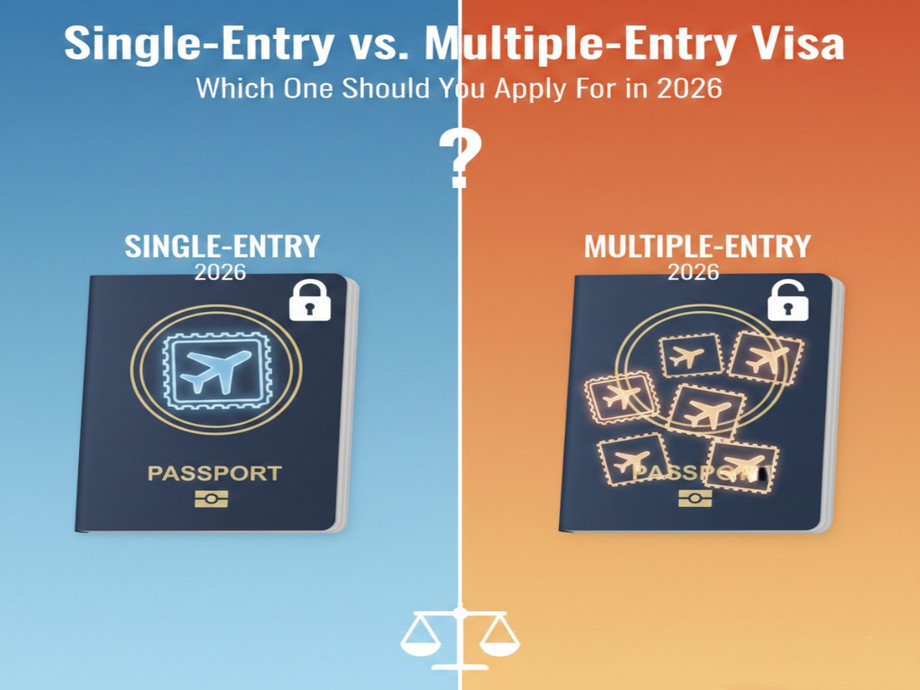
Planning an international trip often begins with one crucial question: What type of visa do I actually need? In 2026, as countries update their immigration policy and introduce smarter digital visa systems, understanding the difference between a single-entry visa and a multiple-entry visa is more important than ever.
Choosing the wrong visa type can affect your travel flexibility, trip duration, and even future visa approval chances. Let’s break it down clearly so you can decide what works best for your travel goals.
A single-entry visa allows you to enter a country only once during the visa validity period. Once you exit that country, the visa automatically becomes invalid — even if there were unused days remaining.
This option is common for short trips such as tourist visa applications, short-term travel permits, and certain business meeting visas.
For example, if you receive a 30-day single-entry visa for Thailand and leave after 10 days to visit Malaysia, you cannot re-enter Thailand using the same visa.
Best for:
-
Short vacations
-
One-time business visits
-
Fixed travel itineraries
It is usually more affordable and has simpler documentation requirements compared to long-term visa categories.
2️⃣ What Is a Multiple-Entry Visa?
A multiple-entry visa allows you to enter and exit a country several times within the visa validity period. This could be 6 months, 1 year, 5 years, or even 10 years depending on the country’s visa policy.
Countries like the US, Canada, UK, and Schengen states commonly issue long-term visitor visas, multi-entry travel visas, and frequent traveler visas.
For example, if you hold a 5-year multiple-entry visa for Canada, you can travel in and out multiple times during those five years (subject to stay limits per visit).
Best for:
-
Frequent international travelers
-
Business professionals
-
Families visiting relatives abroad
This option offers flexibility but may require stronger financial proof, travel history, and documentation.
3️⃣ Cost Comparison: Is Multiple-Entry Worth It?
Single-entry visas are typically cheaper upfront. However, if you plan to visit the same country multiple times, paying repeatedly for fresh visa applications can become expensive.
A multiple-entry visa may have a higher initial fee, but it provides long-term value for regular travelers.
When comparing visa fees 2026, travel visa cost comparison, and visitor visa validity, always calculate how often you expect to travel within the visa period.
4️⃣ Travel Flexibility & Strategic Planning
In today’s fast-changing travel environment, flexibility matters.
Single-entry visas work well for:
-
One-time honeymoon trips
-
Fixed corporate conferences
-
Pre-planned holiday packages
Multiple-entry visas are ideal for:
-
Cross-border business travel
-
Multi-country European itineraries
-
Families with relatives abroad
With evolving global mobility trends and cross-border travel rules, many travelers are opting for multi-entry visas to avoid repeated processing delays.
5️⃣ Approval Chances & Documentation Differences
Multiple-entry visas often require stronger documentation because immigration authorities assess long-term intent and travel credibility.
Authorities may review:
-
Travel history
-
Income proof
-
Previous visa compliance
-
Return intentions
Single-entry visas generally have simpler checks for short-term stays.
When applying, proper documentation under updated immigration rules 2026, visa compliance guidelines, and entry-exit regulations is crucial.
6️⃣ Country-Specific Differences Matter
Not all countries treat entry types the same way.
For example:
-
Schengen visas may be issued as single, double, or multiple-entry depending on travel history.
-
The US B1/B2 visa is commonly issued as multiple-entry.
-
Some Southeast Asian destinations issue single-entry by default unless requested otherwise.
Understanding country-specific visa rules, entry policy updates, and visa category guidelines can significantly impact your application strategy.
Ask yourself three simple questions:
-
Will I travel to this country more than once within the next year?
-
Do I require flexibility for business or family visits?
-
Is it financially smarter to invest in long-term access?
If your trip is short and strictly planned — single-entry is enough.
If your travel pattern is uncertain or frequent — multiple-entry is the smarter long-term option.
Final Thoughts
In 2026, visa systems are becoming more digital, but the core decision between single-entry and multiple-entry remains strategic. The right choice depends on your travel frequency, financial planning, and long-term goals.
Before applying, always review updated visa regulations and choose the option that aligns with your future travel plans.
If you need personalized visa guidance, documentation support, or country-specific strategy, visit The Visa Manager for expert assistance tailored to your travel needs.
Making the right visa choice today can save time, money, and unnecessary stress tomorrow.
