
Gas fitting involves more than connecting appliances or running new pipes. It requires several steps to ensure your system works as intended. Understanding what gas fitting services in Langley cover helps you plan the job, compare quotes, and check whether an estimate includes all the necessary steps.
Professional gas fitters carry out a wide range of residential gas work, both indoors and outdoors. From assessing your home’s gas demand to testing the finished connections, each stage has a specific purpose. Continue reading to learn what typically happens during a gas fitting job and why these checks matter.
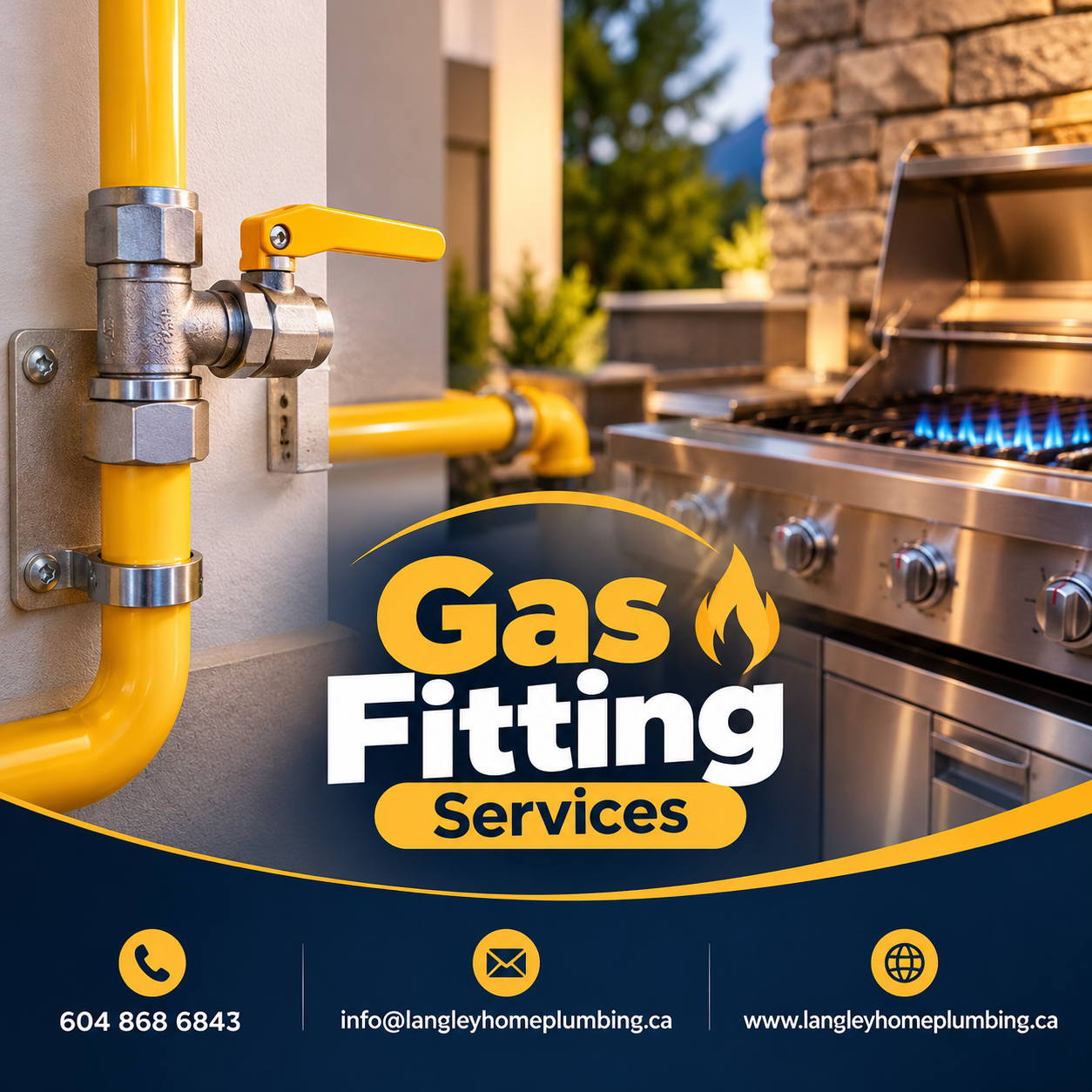
Steps Gas Fitting Services Cover From Start to Finish
Checking Gas Demand and Sizing the Pipes
Before installing or modifying a gas line, a fitter calculates the fuel requirements and checks whether the existing pipework can handle the total demand. This helps them to determine what upgrades are needed. Pipe size and length both affect gas flow and pressure. These calculations become particularly important when adding a new stove, dryer, or other appliance to an existing system.
Connecting Stoves, Dryers, and Water Heaters
Each appliance must be connected using compatible components, properly fitted joints, and gas shutoff valves. After completing the hookup, the fitter checks the connections and confirms that the appliance operates as intended. A properly installed connection supports reliable performance, so that you can shut off the gas supply when necessary. The specific checks depend on the appliance and its installation requirements.
Installing or Servicing Heating Systems
Heating systems are a big part of gas fitting services in Langley, especially before the colder months. Proper setup and regular upkeep help keep these systems running safely. A fitter checks the appliance requirements, gas supply, and venting arrangements. Scheduled inspections can reveal damaged parts, poor combustion, or inadequate ventilation before these issues interfere with heating performance. The exact work depends on whether you are installing new equipment, replacing an existing unit or arranging maintenance.
Running Gas Lines for Outdoor Appliances
A permanent gas line can supply outdoor appliances such as BBQs, patio heaters and fire pits. The fitter plans a suitable pipe route and selects materials and fittings designed for the installation conditions. Proper support, protection and connection methods help the line withstand outdoor exposure. Unlike portable propane tanks, a permanent connection can also save you from repeatedly changing or refilling cylinders.
Testing the Lines and Checking for Leaks
The last step is proving that the work is completely airtight. Before using the new or modified gas line, experts perform the required pressure tests and leak checks. These procedures help identify faults at joints and connections that might otherwise go unnoticed. Fix every problem before using the system. Proper testing is essential for verification. This final check assures you nothing is left out.
Understanding these stages helps you know what to expect from a gas fitting project and what to clarify beforehand. If you need gas fitting services in Langley, contact Langley Home Plumbing. Their licensed, experienced team handles gas installations, furnace concerns, and other residential heating needs. Visit langleyhomeplumbing.ca for more details.