
Retail businesses deal with a constant flow of products, purchases, sales, returns, transfers, and customer demand. Managing these activities manually can make it difficult to know what is actually available, what is selling quickly, and when a product needs to be reordered. Retail Stock Management Software provides a centralized way to monitor inventory and make replenishment decisions with greater accuracy.
Modern inventory platforms can track stock movements in real time, provide low-stock alerts, and support automated purchase workflows. These capabilities help retailers reduce unnecessary manual work while keeping products available for customers.
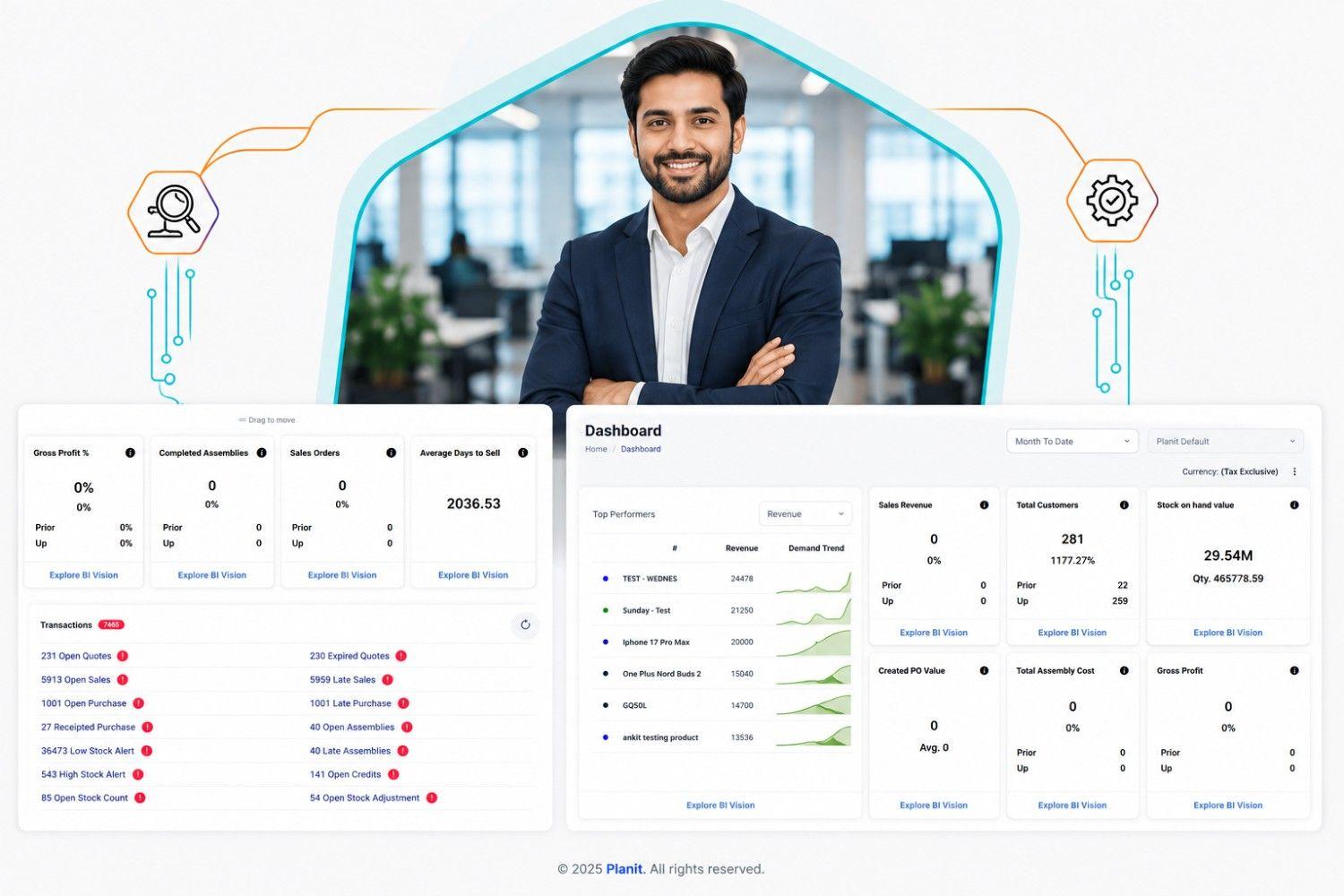
Why Accurate Retail Stock Tracking Matters
Stock accuracy directly affects sales and customer experience. If inventory records show that an item is available when it is actually out of stock, staff may promise products they cannot deliver. On the other hand, purchasing too much stock can tie up working capital and increase the risk of slow-moving inventory.
A 2026 IHL Group study estimates that global inventory distortion from out-of-stocks and overstocks reached $1.7 trillion, equivalent to 6.2% of global retail sales.
For retailers, better visibility is therefore more than an operational convenience. It supports smarter purchasing and helps create a more reliable shopping experience.
How Retail Stock Management Software Simplifies Inventory Control
Retail Stock Management Software brings different inventory activities into one organized system. Instead of depending on spreadsheets and manual updates, retailers can monitor stock movements as they happen.
Key capabilities can include:
-
Real-time stock tracking: View current quantities across stores, warehouses, and stockrooms.
-
Low-stock alerts: Receive notifications when products reach predefined reorder levels.
-
Barcode integration: Scan products during receiving, selling, counting, and transfers.
-
Multi-location visibility: Compare inventory between branches and identify where stock is available.
-
Stock movement history: Track purchases, sales, returns, adjustments, and transfers.
-
Inventory reports: Identify fast-moving, slow-moving, and aging products.
These features allow retail teams to spend less time searching for inventory information and more time making informed purchasing and sales decisions.
Smarter Reordering With Automated Alerts
One of the biggest advantages of digital inventory management is more structured replenishment. Retailers can establish minimum stock levels for individual products and receive alerts before inventory becomes critically low.
Instead of waiting until shelves are empty, purchasing teams can review reorder recommendations based on stock levels, sales activity, and supplier lead times. Research published in Sustainability found that automatically ordered SKUs had an average stock-out rate of 1.38%, compared with 3.72% for manually ordered SKUs in the study dataset.
Automation does not have to mean giving up control. Businesses can configure approval workflows so managers review suggested orders before they are submitted.
Supporting Better Customer Service
Inventory visibility also influences how confidently retail employees can respond to customers. When staff can quickly check whether a product is available in another branch or warehouse, they have more options for fulfilling customer requirements.
This becomes particularly valuable for retailers operating physical stores alongside ecommerce channels. Centralized inventory information can help businesses reduce overselling, coordinate stock between locations, and identify alternatives when an item is unavailable.
Where Industry-Specific Inventory Needs Matter
Although retail and manufacturing have different workflows, specialized inventory concepts can overlap. Businesses dealing with regulated, packaged, or batch-sensitive products may need detailed tracking beyond simple quantity management. For example, Retail Stock Management Software can involve monitoring raw materials, production-related stock, batches, and finished products.
A flexible inventory platform can help organizations adapt tracking processes to their operational requirements instead of relying on disconnected records.
Build a More Efficient Retail Operation With PlanIT
Retail growth becomes easier when inventory decisions are based on reliable information rather than guesswork. PlanIT can help businesses organize stock tracking, monitor inventory movements, improve reorder visibility, and create a more connected approach to inventory control.
Whether you manage a single outlet or multiple locations, the right system can make everyday stock management more organized, responsive, and scalable. With better visibility, retailers can work toward fewer stock surprises, smarter purchasing, and stronger customer service.
Contact PlanIT:
-
Mobile: +91-9958474631
-
Email: sales@plan-it.pro