
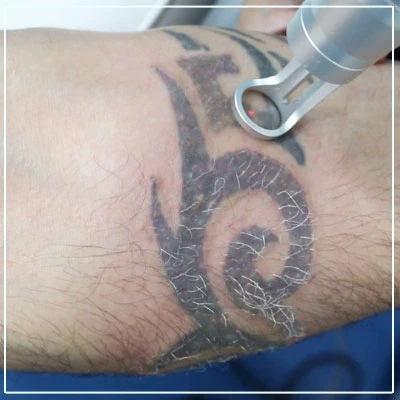
Uneven skin tone, stubborn dark spots, freckles and unwanted tattoos can affect the appearance of your skin and your confidence. Modern dermatology offers targeted laser procedures to address certain pigment-related concerns without conventional surgery. If you are exploring the best q switched laser treatment in mumbai, understanding how the technology works and whether it suits your skin is an important first step.
At Viva Aesthetic Clinic, Dr. Deepam Shah offers Q-switched Nd laser treatment for selected skin pigmentation concerns and tattoo removal. The treatment uses brief, high-intensity pulses of light to target pigment particles. A dermatologist evaluates the type, depth and cause of pigmentation before recommending a suitable treatment plan.
What Is Q-Switched Nd Laser Treatment?
Q-switched Nd laser is a dermatological technology that delivers very short pulses of concentrated light energy. These pulses target specific pigment particles in the skin or tattoo ink, breaking them into smaller fragments that the body gradually clears through its natural processes.
The technology can be useful for selected concerns involving melanin, the pigment responsible for skin colour, as well as certain tattoo inks. The response depends on the type of pigmentation, the ink colour and depth, skin type, and the settings used by the treating professional.
Unlike treatments that broadly exfoliate the skin, a Q-switched laser is designed to selectively target pigment. However, it is not suitable for every mark or skin condition, so a professional assessment is essential.
Which Skin Concerns Can Q-Switched Laser Address?
Q-switched laser treatment may be considered for several concerns, depending on a dermatologist’s assessment.
1. Pigmentation and Dark Spots
Sunspots, freckles, age spots and some other localised pigment concerns may respond to targeted laser treatment. The dermatologist first determines whether the spots are benign and likely to benefit from laser therapy.
2. Tattoo Removal
Q-switched lasers can help break down certain tattoo pigments so the body can gradually clear them. Tattoo removal commonly requires multiple sessions, and complete removal cannot be guaranteed. Results vary with ink colour, tattoo depth, age, size and the type of tattoo.
3. Selected Birthmarks and Pigmented Lesions
Some pigment-related birthmarks and lesions may be suitable for laser treatment. A dermatologist should examine the lesion before treatment, particularly if it is new, changing, irregular or unexplained.
4. Skin Rejuvenation and Texture Concerns
Depending on the device and treatment protocol, Q-switched laser may be used as part of a plan for selected skin-rejuvenation concerns. It should not be assumed to treat every enlarged pore, acne scar, redness or vascular condition. The right procedure depends on the underlying cause.
How Does the Procedure Work?
The treatment process generally includes these steps:
Step 1: Skin consultation
Dr. Deepam Shah evaluates the area of concern, skin type, medical history and previous treatments. He may recommend another approach if laser treatment is not appropriate.
Step 2: Preparation
The treatment area is prepared according to the clinic’s protocol. Protective eyewear is essential for the patient and treatment team because laser light can injure the eyes.
Step 3: Laser application
The device delivers controlled pulses of light to the selected area. Sensations may vary from mild snapping or tingling to temporary discomfort, depending on the site and settings. The procedure is often relatively quick, but the duration depends on the size of the treatment area.
Step 4: Aftercare
The treated skin may temporarily appear red, feel sensitive or develop mild swelling. Following the dermatologist’s instructions, avoiding unnecessary irritation and using broad-spectrum sunscreen can support recovery and help reduce the risk of further pigmentation.
What Are the Benefits of Q-Switched Laser Treatment?
When recommended for an appropriate concern, Q-switched laser treatment offers several potential advantages:
- Targeted pigment treatment: Laser energy is directed towards selected pigment particles.
- Non-surgical approach: The procedure does not require an incision.
- Relatively short sessions: Small areas may be treated quickly, although timing varies.
- Limited interruption to routine: Many people can resume normal activities soon after treatment, depending on the area treated and the skin’s response.
- Customised treatment planning: The laser settings and number of sessions can be adjusted according to the concern and individual response.
No laser procedure is completely risk-free. Possible side effects include temporary redness, swelling, blistering, changes in skin colour and, rarely, scarring. Incorrect settings or unsuitable treatment can increase the risk, particularly in skin prone to pigmentation.
Why Choose Dr. Deepam Shah at Viva Aesthetic Clinic?
Choosing a qualified dermatologist is an important part of planning laser treatment. Dr. Deepam Shah is a dermatologist, cosmetologist and hair transplant surgeon practising in Mumbai, with more than a decade of clinical experience in skin and aesthetic treatments.
His qualifications include:
- MBBS from the University of Bombay, Mumbai.
- DNB in Dermatology and Venereology from the University of Delhi.
- Fellowship in Aesthetic Medicine (FAM), including training in aesthetic and hair-transplant-related treatments.
He has also received recognition as a Silver Medalist in the MUHS examination and Best Post Graduate Student for the Galderma Institute. His dermatology and laser-treatment experience supports an approach that considers the individual’s skin condition, treatment goals and suitability before proceeding.
Viva Aesthetic Clinic is a spacious, approximately 1,000-square-foot facility equipped with modern laser systems and aesthetic medical devices. The clinic’s team provides skin and aesthetic services in a professional setting, with treatment planning guided by the patient’s concerns and clinical assessment.
For those looking for a Dermatologist and Skin Specialist in Mumbai, a consultation can help establish whether Q-switched laser treatment or an alternative procedure is more appropriate. Dr. Deepam Shah’s profile also provides further information for patients seeking a Dermatologist in Mumbai for pigmentation and other skin concerns.
How Many Sessions Are Needed?
The number of sessions depends on the condition being treated. Some superficial pigment concerns may improve over a small number of sessions, while tattoo removal and deeper or persistent pigmentation often require several appointments spaced apart.
A dermatologist will recommend a schedule based on the diagnosis, skin response and recovery between sessions. Multiple treatments do not guarantee complete removal or permanent prevention of pigmentation. Sun exposure, hormonal influences, inflammation and other underlying causes can contribute to recurrence.
Aftercare Tips for Better Skin Health
Follow the specific aftercare instructions provided by your dermatologist. General precautions may include:
- Apply a broad-spectrum sunscreen as directed and limit unnecessary sun exposure.
- Avoid picking, scratching or rubbing the treated area.
- Use gentle skincare products while the skin settles.
- Avoid exfoliating acids, retinoids or other potentially irritating products until your dermatologist says they can be resumed.
- Contact the clinic if you experience significant pain, blistering, worsening swelling or unexpected changes in skin colour.
A tailored aftercare plan is especially important for people who are prone to post-inflammatory hyperpigmentation.
Book a Consultation at Viva Aesthetic Clinic
If pigmentation, dark spots or an unwanted tattoo is affecting your confidence, consult a dermatologist before choosing a laser procedure. Dr. Deepam Shah can assess your concern, discuss the potential benefits and limitations of Q-switched Nd laser treatment, and recommend a plan suited to your skin.
📞 93245 89084 | ☎️ 022 3573 1556
📧 clinicvivacosmetic@gmail.com
📍 Visit: Viva Aesthetic Clinic, Opera House or Colaba, Mumbai
Call the clinic to schedule your consultation and learn whether Q-switched laser treatment is suitable for your skin concern.
Frequently Asked Questions
1. What is Q-switched laser treatment used for?
Q-switched Nd laser may be used for selected pigmentation concerns, certain pigmented lesions and tattoo removal. Suitability depends on the diagnosis, skin type and characteristics of the pigment or tattoo.
2. Is Q-switched laser treatment safe for Indian skin?
It can be used on Indian skin when the indication, laser settings and aftercare are selected appropriately. However, all skin types can experience side effects, including temporary or persistent pigmentation changes. A qualified dermatologist should assess your skin before treatment.
3. How long does a Q-switched laser session take?
Small treatment areas may take only a few minutes, while larger areas take longer. The duration depends on the concern and area being treated. The clinic can provide a more specific estimate after examination.
4. Is one session enough to remove pigmentation or a tattoo?
Not always. Some pigment concerns may improve after a limited number of sessions, whereas tattoo removal usually requires multiple treatments. The number of sessions and final outcome vary between individuals, and complete removal cannot be guaranteed.