
Eye injuries are one of the most common yet preventable workplace accidents. From construction sites and factories to laboratories and healthcare facilities, workers are exposed daily to risks such as flying debris, chemical splashes, dust, and intense light. Choosing the right safety goggles as part of proper eye protection is essential to prevent short-term injuries and long-term vision damage.
This guide explains the different types of safety goggles, when each type should be used, and how they fit into a comprehensive workplace eye protection strategy.
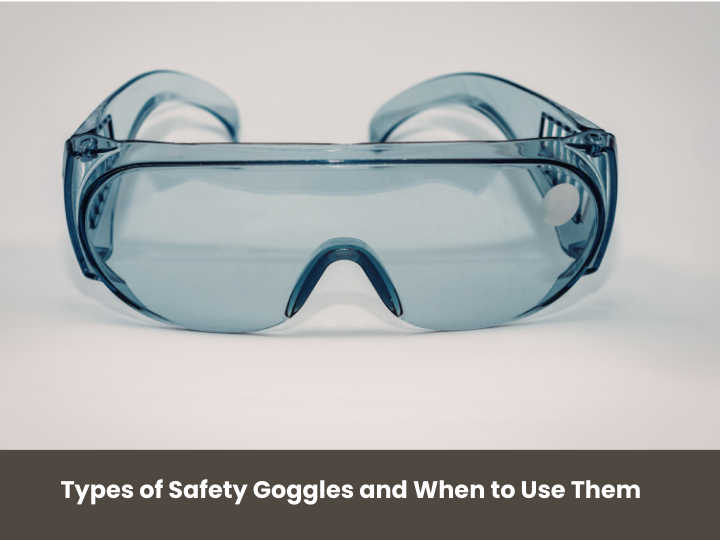
Why Eye Protection Is Critical in the Workplace
The eyes are extremely vulnerable. Even small particles or brief exposure to chemicals or radiation can cause serious injury. Common workplace eye hazards include:
-
Dust and airborne particles
-
Chemical splashes and vapors
-
Flying debris from tools and machinery
-
Sparks and molten metal
-
UV, infrared, and laser radiation
Proper eye protection, especially safety goggles, creates a protective barrier that significantly reduces the risk of injury and related compensation claims.
Safety Goggles vs Safety Glasses: What’s the Difference?
Many people use safety glasses when goggles are actually required. Understanding the difference is important.
Safety Glasses
-
Protect mainly from front impact
-
Often have open sides
-
Suitable for low-risk environments
Safety Goggles
-
Seal around the eyes
-
Protect from splashes, dust, and fine particles
-
Offer higher-level eye protection
In environments with chemicals, fine dust, or splash risks, safety goggles are the correct choice.
Types of Safety Goggles and Their Uses
1. Direct Vent Safety Goggles
Best for: Dust and impact hazards
Direct vent goggles include small ventilation holes that allow airflow, reducing fogging. However, they do not protect against liquids.
Common Uses:
-
Construction sites
-
Woodworking
-
Grinding and cutting operations
-
Warehouses
These goggles provide essential eye protection where dust and solid particles are the primary risks.
2. Indirect Vent Safety Goggles
Best for: Chemical splash and vapor protection
Indirect vent goggles allow airflow through covered vents, preventing liquids from entering while minimizing fogging.
Common Uses:
-
Chemical handling areas
-
Laboratories
-
Pharmaceutical manufacturing
-
Industrial cleaning operations
They are one of the most widely used forms of eye protection in chemical environments.
3. Non-Vented Safety Goggles
Best for: High-risk liquid and vapor exposure
Non-vented goggles form a complete seal around the eyes, offering maximum protection against splashes and airborne chemicals.
Common Uses:
-
Acid handling
-
Hazardous material processing
-
Biohazard environments
Because airflow is limited, anti-fog coatings are often recommended.
4. Chemical Splash Goggles
Best for: Corrosive liquids and mist
Chemical splash goggles are specifically designed to resist penetration from liquids and harmful vapors.
Common Uses:
-
Laboratories
-
Chemical plants
-
Oil and gas facilities
-
Industrial sanitation
These goggles are essential where liquid exposure poses a serious risk to eye health.
5. Impact-Resistant Safety Goggles
Best for: Flying debris and high-speed particles
Made with durable polycarbonate lenses, these goggles withstand strong impact without shattering.
Common Uses:
-
Metal fabrication
-
Demolition work
-
Mechanical workshops
-
Heavy industrial environments
They provide robust eye protection against physical hazards.
6. Welding Safety Goggles
Best for: Welding and cutting tasks
Welding goggles feature tinted lenses that protect against:
-
Bright welding arcs
-
UV and infrared radiation
-
Sparks and heat
Common Uses:
-
Gas welding
-
Brazing
-
Cutting operations
They are a critical part of eye protection in welding environments.
7. Laser Safety Goggles
Best for: Laser exposure
Laser goggles are engineered to block specific wavelengths of laser light, preventing severe eye damage.
Common Uses:
-
Medical facilities
-
Research laboratories
-
Industrial laser cutting units
Proper selection based on laser type is essential for effective eye protection.
8. Prescription Safety Goggles
Best for: Workers requiring vision correction
These goggles combine prescription lenses with full protective sealing.
Common Uses:
-
Manufacturing units
-
Laboratories
-
Technical and engineering environments
They ensure workers don’t compromise eye protection for visibility.
When Are Safety Goggles Mandatory?
Safety goggles should be mandatory when:
-
Chemicals, liquids, or vapors are present
-
Dust or fine airborne particles are generated
-
Splashing or spraying processes are involved
-
High-speed machinery is in operation
-
Welding or laser work is performed
In these situations, goggles provide superior eye protection compared to standard safety glasses.
Proper Fit: A Key Factor in Eye Protection
Even the best goggles fail if they don’t fit properly.
A correct fit should:
-
Seal comfortably around the eyes
-
Not leave gaps at the sides or nose
-
Sit securely without slipping
-
Allow clear, unobstructed vision
Adjustable straps and soft padding improve comfort and encourage consistent use.
Common Mistakes with Safety Goggles
-
Using the wrong type for the hazard
-
Wearing goggles loosely
-
Ignoring fogging that reduces visibility
-
Using scratched or damaged lenses
-
Failing to replace worn-out straps
Training and regular inspection help avoid these issues.
Maintenance and Care of Safety Goggles
To maintain effective eye protection:
-
Clean goggles after each use
-
Store in protective cases
-
Replace lenses that are scratched or cracked
-
Use anti-fog solutions where needed
Proper care extends the lifespan of safety goggles and ensures reliable protection.
How Safety Goggles Reduce Workplace Eye Injuries
Organizations that enforce proper eye protection experience:
-
Fewer eye-related accidents
-
Lower medical and compensation costs
-
Improved compliance with safety regulations
-
Increased employee confidence and productivity
Preventive eye protection is far more cost-effective than treating injuries after they occur.
Final Thoughts
Safety goggles are a vital part of workplace eye protection, but not all goggles are the same. Understanding the different types and when to use them ensures maximum safety and compliance.
By selecting the right safety goggles, ensuring proper fit, and training employees in correct usage, workplaces can significantly reduce eye injuries and create safer environments.
When it comes to eye safety, prevention isn’t optional—it’s essential.