
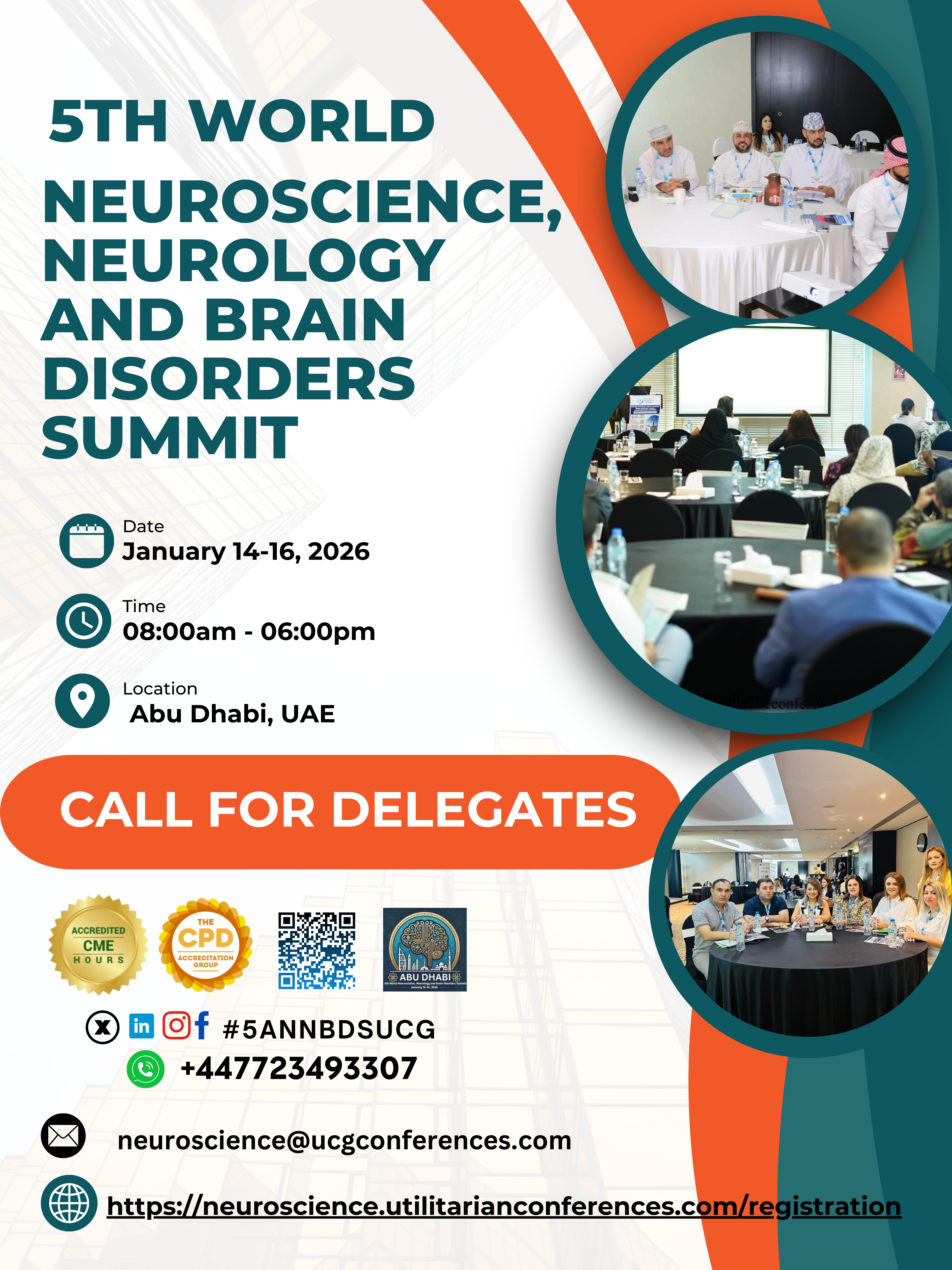
The brain, the control center of the human body, remains one of the most complex and least understood organs. As neurological and psychiatric disorders continue to rise globally, the need for groundbreaking research and innovative treatments has never been greater. The 5th World Summit on Brain Disorders brought together leading scientists, neurologists, psychologists, and medical researchers to discuss the latest advancements in neuroscience, the challenges of diagnosing and treating brain disorders, and the role of technology in shaping the future of mental and neurological healthcare.
With millions of people worldwide suffering from conditions such as Alzheimer’s disease, Parkinson’s disease, epilepsy, multiple sclerosis, depression, and schizophrenia, the summit served as a crucial platform for sharing knowledge, fostering collaboration, and addressing the urgent need for new treatments. The discussions centered on early detection, precision medicine, brain-computer interfaces, and lifestyle interventions that could significantly impact patient outcomes.
Unraveling the Mysteries of the Brain
Brain disorders, whether neurodegenerative or psychiatric, often remain undiagnosed until they reach advanced stages, making treatment difficult. At the summit, researchers emphasized the importance of early detection and intervention in managing conditions such as Alzheimer’s, dementia, and Parkinson’s disease. Recent studies suggest that biomarkers in the blood, cerebrospinal fluid, and even retinal scans could help detect neurological diseases long before symptoms appear.
One of the most promising advancements showcased at the event was the development of artificial intelligence (AI) in diagnostics. AI-driven models are now capable of analyzing brain scans and genetic data to predict the likelihood of developing a neurological disorder. These technologies, combined with machine learning algorithms, are allowing doctors to detect abnormalities with unprecedented accuracy.
Moreover, genetic research and precision medicine have opened new doors for individualized treatments. Scientists at the summit presented studies on how genome sequencing is being used to understand the hereditary aspects of neurological diseases. This knowledge enables doctors to customize treatments based on a patient’s genetic makeup, making therapies more effective and reducing the risk of adverse reactions.
The Role of Mental Health in Neurological Well-being
Beyond neurodegenerative diseases, the summit also highlighted the increasing burden of mental health disorders such as depression, anxiety, schizophrenia, and bipolar disorder. Experts discussed how chronic stress, digital overexposure, and lifestyle factors contribute to cognitive decline and poor mental well-being.
A key area of focus was the impact of social media and digital addiction on brain health. Studies presented at the summit revealed that excessive screen time and overconsumption of fast-paced digital content could alter the brain’s dopamine pathways, leading to reduced attention spans, increased anxiety, and even symptoms resembling those of attention-deficit disorders. Neuroplasticity research shows that constant stimulation from social media may rewire neural circuits, making it harder for individuals to focus, retain information, and experience deep, meaningful interactions.
To combat these effects, experts emphasized the importance of mindfulness-based interventions, digital detox strategies, and cognitive behavioral therapy (CBT). The discussion also explored the potential of psychedelic-assisted therapy, where controlled doses of substances like psilocybin (found in magic mushrooms) and MDMA are being tested as treatments for severe depression and PTSD. These treatments, once controversial, are now showing promising results in clinical trials.
A Future of Hope and Innovation
One of the most exciting areas of discussion at the summit was the integration of technology in neuroscience, particularly brain-computer interfaces (BCIs). BCIs have the potential to restore mobility in paralyzed patients, enhance cognitive functions, and even help those suffering from memory loss. Companies such as Neuralink and Synchron are making significant strides in this field, with clinical trials showing that brain implants can help individuals control devices using only their thoughts.
Additionally, the summit featured research on stem cell therapy and neuroregeneration, which could revolutionize the treatment of brain injuries and neurodegenerative diseases. Scientists are exploring ways to regenerate damaged neurons using stem cells, gene editing (CRISPR), and regenerative medicine. These therapies hold immense potential for reversing the effects of spinal cord injuries, stroke, and neurodegenerative conditions.
The role of gut health in brain function was another topic that gained attention. The gut-brain axis is now recognized as a critical factor in mental health, with emerging research suggesting that a healthy gut microbiome can reduce the risk of neurological disorders. Probiotic therapy and dietary modifications are being explored as potential non-invasive treatments for conditions like autism, depression, and neuroinflammation.
Conclusion
The 5th World Summit on Brain Disorders served as a vital platform for discussing the most pressing issues in neuroscience and mental health. With an increasing global burden of neurological and psychiatric conditions, it is clear that early detection, personalized medicine, technological innovations, and lifestyle interventions will be key to managing these disorders effectively.
The advancements in AI, brain-computer interfaces, stem cell therapy, and precision medicine provide hope for a future where brain disorders are no longer a life sentence. However, the summit also emphasized the need for continued investment in research, global collaboration, and public awareness to ensure these scientific breakthroughs translate into accessible treatments for all.
As we move forward, the integration of technology, mental health strategies, and cutting-edge research will be essential in unlocking the brain’s potential and improving the quality of life for millions around the world. The future of neuroscience is bright, and with ongoing innovation, we are on the brink of a new era in brain health and disease management.