
There are many excellent books on machine learning, covering a wide range of topics from fundamentals to advanced techniques. Here are some top machine learning books to consider:
“Pattern Recognition and Machine Learning” by Christopher M. Bishop:
- This book provides a comprehensive introduction to machine learning and pattern recognition. It covers a wide range of topics and includes practical examples and exercises.
“Machine Learning: A Probabilistic Perspective” by Kevin P. Murphy:
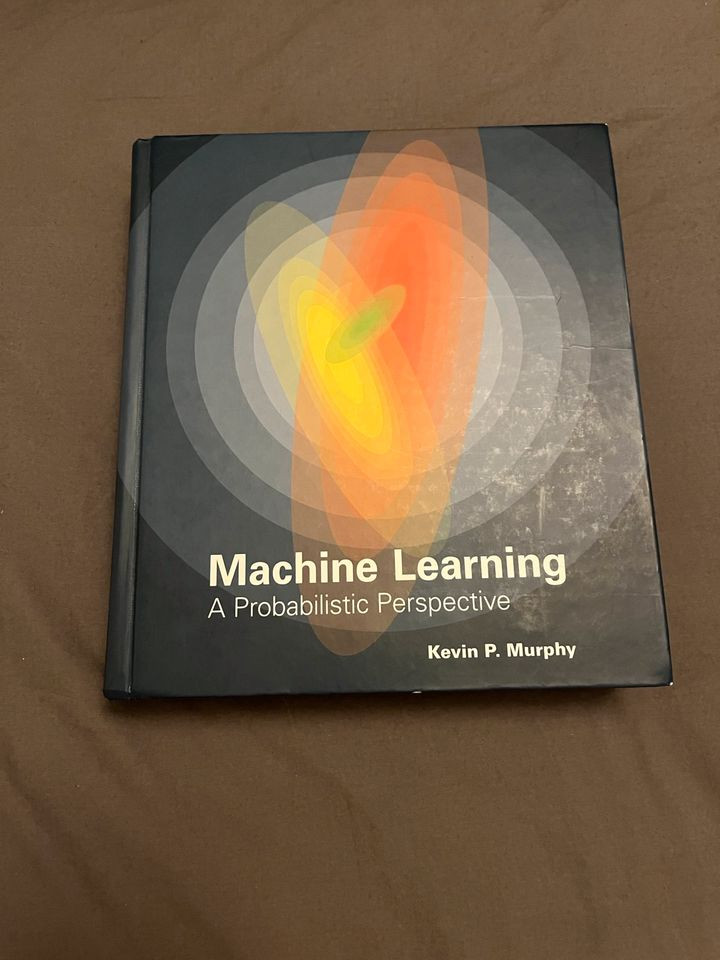
- Murphy’s book offers a probabilistic approach to machine learning, making it suitable for those interested in the theoretical foundations of the field.
“Deep Learning” by Ian Goodfellow, Yoshua Bengio, and Aaron Courville:
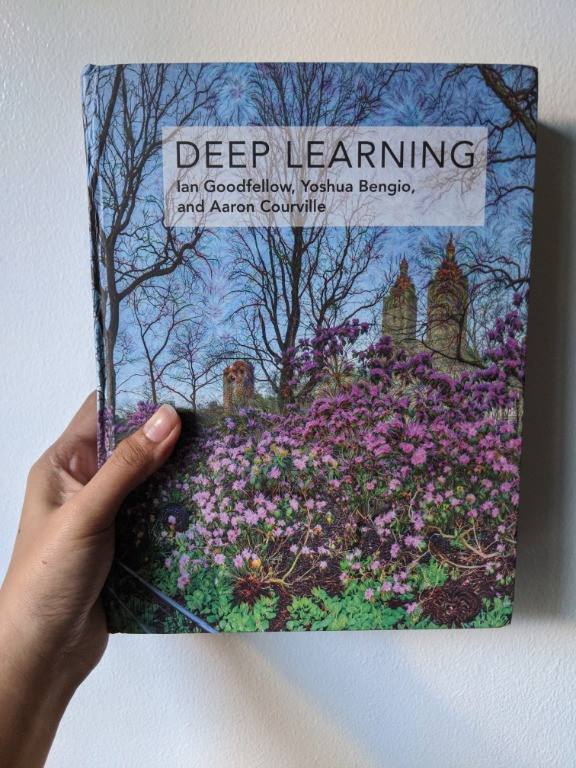
- This book is a comprehensive resource on deep learning, covering neural networks, optimization, generative models, and more. It’s considered one of the definitive texts on the subject.
“Introduction to Machine Learning with Python: A Guide for Data Scientists” by Andreas C. Müller and Sarah Guido:
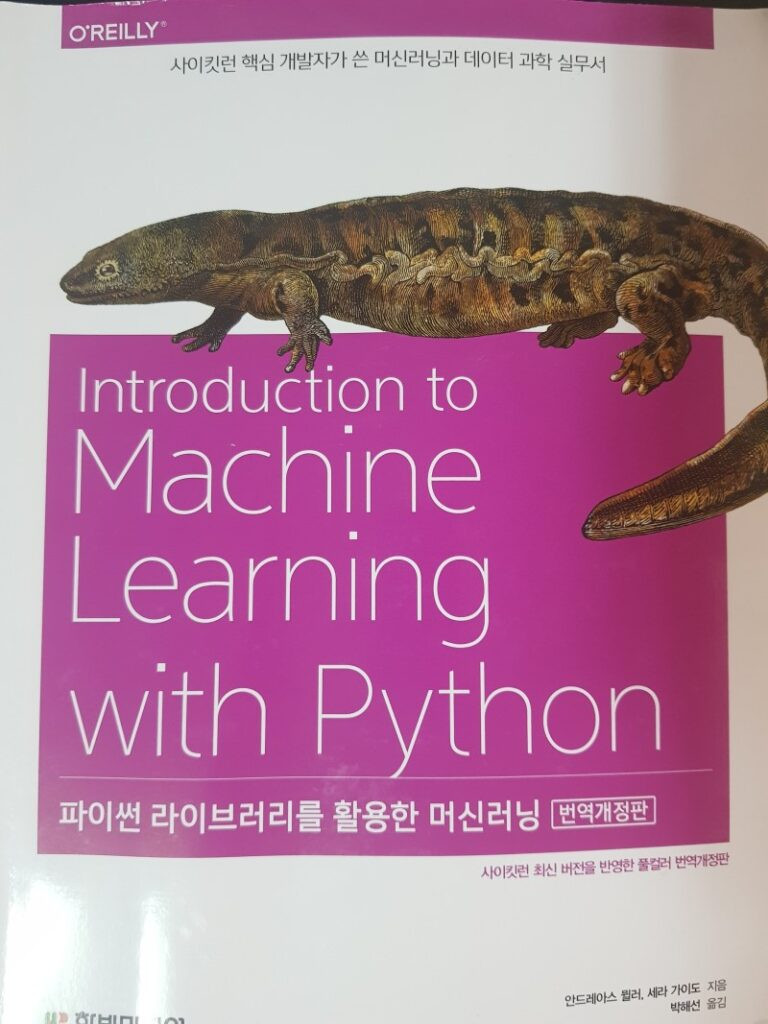
- Geared towards practical application, this book uses Python and popular libraries like scikit-learn to teach machine learning concepts. It’s great for beginners.
“The Hundred-Page Machine Learning Book” by Andriy Burkov:
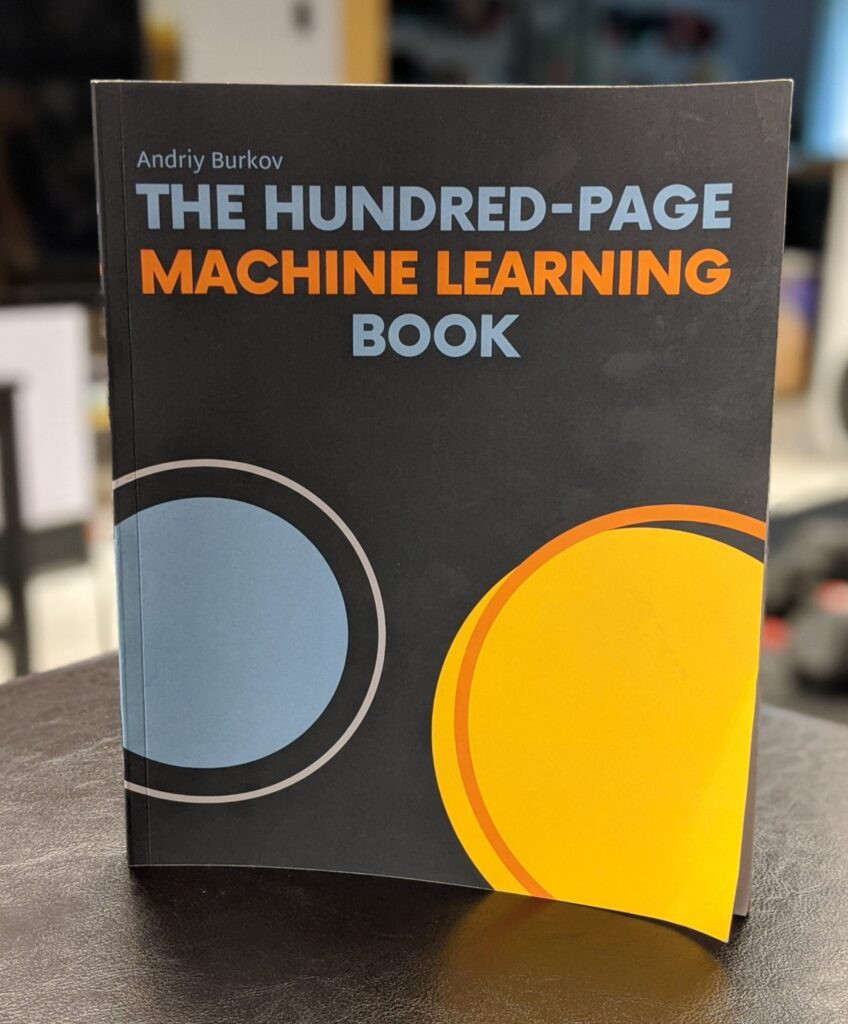
- As the title suggests, this book is a concise but informative introduction to machine learning concepts. It’s a great starting point for beginners or those looking for a quick overview.
“Hands-On Machine Learning with Scikit-Learn, Keras, and TensorFlow” by Aurélien Géron:
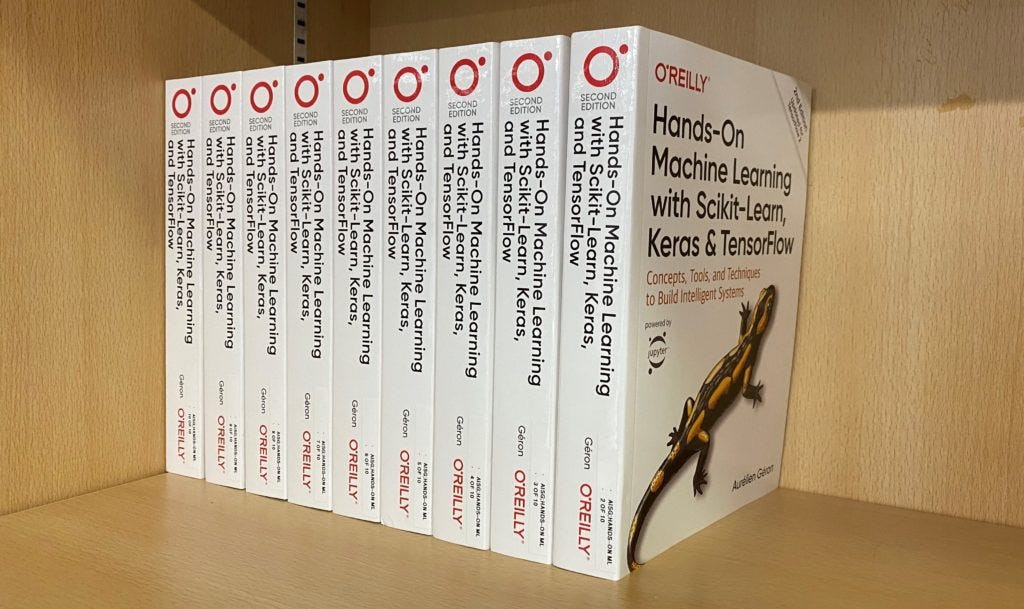
- This practical book provides hands-on experience with popular machine learning libraries like scikit-learn, Keras, and TensorFlow. It covers a wide range of topics, from the basics to deep learning.
“Python Machine Learning” by Sebastian Raschka and Vahid Mirjalili:
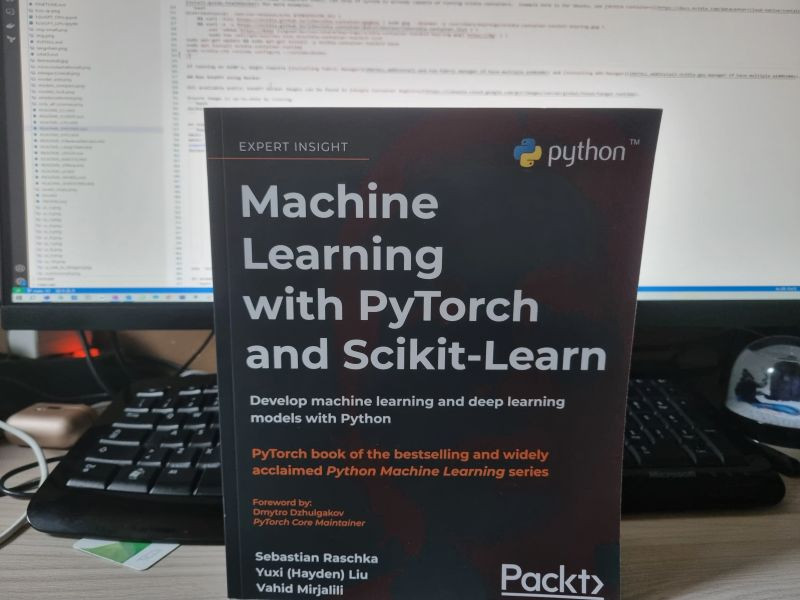
- This book focuses on using Python for machine learning. It covers various machine learning algorithms and includes practical examples and code.
“Machine Learning Yearning” by Andrew Ng:
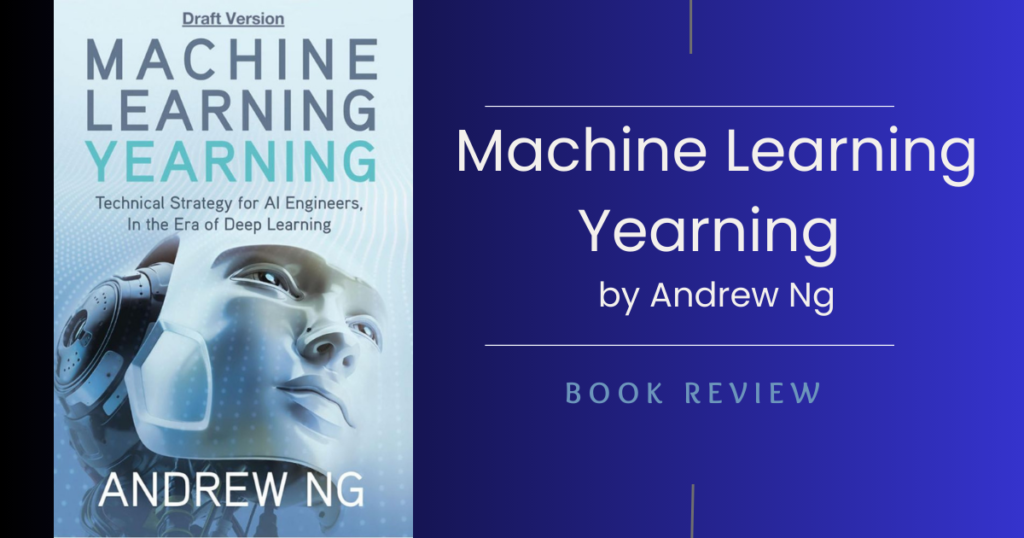
- Written by the co-founder of Coursera and a renowned figure in the field, this book offers practical advice and guidelines for applying machine learning in real-world projects.
“Understanding Machine Learning: From Theory to Algorithms” by Shai Shalev-Shwartz and Shai Ben-David:
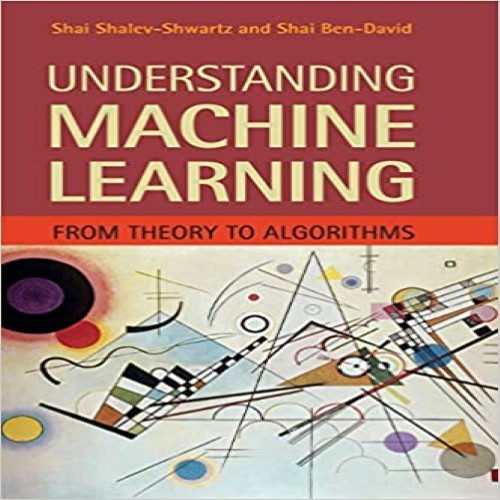
- This book provides a theoretical foundation for machine learning algorithms. It’s suitable for those interested in the mathematical aspects of machine learning.
“Machine Learning for Dummies” by John Paul Mueller and Luca Massaron:
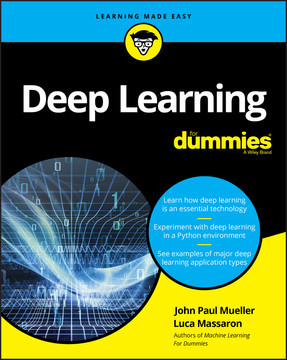
- Part of the “For Dummies” series, this book is designed to make machine learning accessible to a wide audience, with clear explanations and practical examples.
These books cater to a range of skill levels and interests within the field of machine learning. Depending on your background and goals, you can choose one or more of these books to deepen your understanding of the subject.
Rise of Generative AI
Models like GPT, Claude, Gemini, and Llama have changed everything—
ML learning now requires understanding:
-
LLMs (Large Language Models)
-
Prompt engineering
-
Fine-tuning and RAG
-
AI safety and ethics
Automation & Low-Code AI Tools
Platforms like:
-
Google Vertex AI
-
AWS SageMaker
-
DataRobot
-
AutoML
…allow even non-programmers to build ML models.
Reading foundational books gives you the knowledge needed to use these tools effectively.
3. Explainable AI (XAI)
Companies want ML models to be transparent and trustworthy.
Understanding probability, statistics, and algorithms (from Murphy and Bishop’s books) is now more important than ever.
4. ML + Cloud Integration
Learning ML now requires basic understanding of:
-
Cloud computing
-
APIs
-
Data pipelines
-
Model deployment
Hands-on books (like Géron’s) now include sections on deployment and production ML.
5. Real-Time Machine Learning
Thanks to faster GPUs and better libraries, real-time ML is trending:
-
Fraud detection
-
Live recommendations
-
Real-time analytics
Final Thoughts
No matter your level — beginner, advanced, or somewhere in between — the books listed above offer everything you need to grow your ML knowledge.
If you're a beginner, start with:
-
Machine Learning for Dummies
-
The Hundred-Page ML Book
-
ML with Python
If you're an intermediate learner, go for:
-
Hands-On ML with Scikit-Learn, Keras & TensorFlow
-
Python Machine Learning
If you're advanced, choose:
-
Murphy
-
Bishop
-
Deep Learning (Goodfellow)
With the rapid rise of AI in 2025, having a strong understanding of machine learning will put you ahead in your career, business, or research journey.