
When you look at the price tag of premium Cricket Bats, it is easy to wonder why one bat costs several times more than another that looks almost identical. The answer is not simply the brand name. A premium bat can involve better willow, careful selection, skilled shaping, detailed finishing, and a lot of attention to balance and pickup.
What Makes Premium Cricket Bats More Expensive?
The biggest difference usually starts with the willow. English willow is widely preferred for high-level leather-ball cricket because of its lighter, softer structure and responsive feel. But even within English willow, quality varies. Higher grades are harder to source and are selected for cleaner grain structure and fewer visible imperfections.
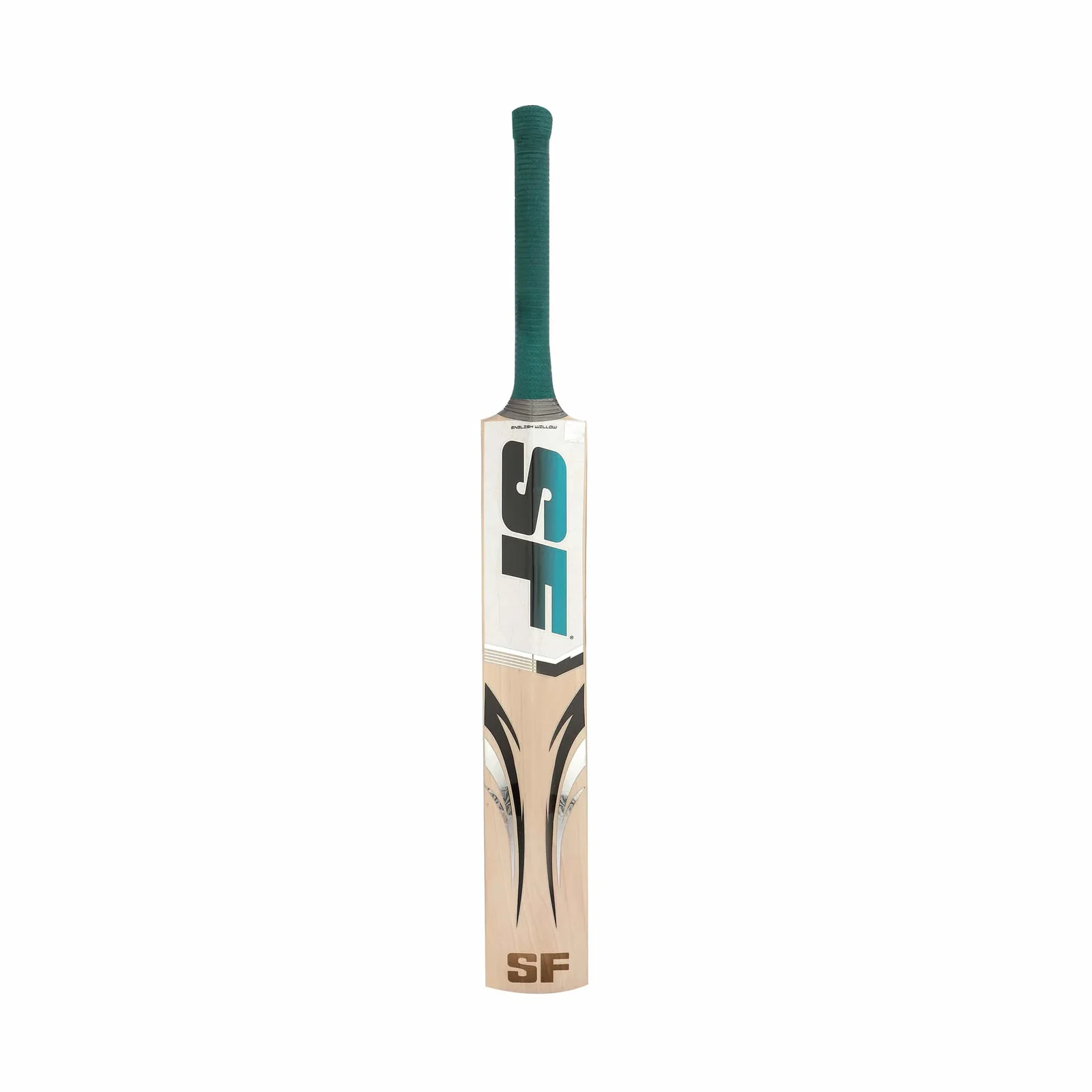
There is also a human element. A good bat is not just cut into shape and sent to a shop. Seasoning, pressing, shaping, sanding and finishing all affect how the finished blade feels in the hands. The more care that goes into these stages, the more the final price can rise.
How Cricket Bats Gain Performance Through Craftsmanship
Think about the moments when a batter notices a bat most: a mistimed shot, a quick single, a drive through the covers, or a powerful pull. In those moments, balance matters as much as raw weight.
Premium bats are shaped to create a useful combination of sweet-spot size, edge thickness, spine profile and pickup. A bat that feels lighter in the hands can help a player move the blade quickly without necessarily sacrificing hitting power.
Stanford follows this performance-focused approach across its English willow range. Its product descriptions highlight hand craftsmanship, innovative shaping, balance, pickup and generous edges. For example, the SF Incredible 15000 is listed as Grade 1 English willow with a mid-blade swell and a design intended to provide power, control and pickup.
The Willow Grade Matters More Than Looks
Two blades can look beautiful on a product page and still be very different in quality. Grain appearance is one visible clue, but it should not be treated as the only measure of performance. The cleft itself, its density, moisture content, structure and how it responds after pressing all matter.
That is why a higher-priced bat is not automatically better for every player. A club cricketer who plays occasionally may get excellent value from a mid-grade English willow or Kashmir willow bat, while a player training several times a week may appreciate the feel and response of a higher-grade blade.
Stanford offers a broad range rather than forcing every player toward its most expensive model. Its current collection includes Grade 5, Grade 4, Grade 3, Grade 2, Grade 1 and pro-grade English willow options, alongside Kashmir willow bats at more accessible prices.
Why Premium Cricket Bats Can Feel Different at the Crease
The difference often becomes noticeable in small details. A well-balanced bat may feel easier to lift into position. A well-designed sweet spot can give the player confidence when meeting the ball. A carefully constructed handle can also help manage vibration and improve comfort during long innings.
Stanford's premium models reflect these priorities. The SF Optimus, for instance, is described as using pro-grade English willow, with a mid-blade swell, innovative shaping, generous edges and a focus on pickup, balance, power and control.
Are Expensive Cricket Bats Worth It?
That depends on the player, not the price tag. If you are a beginner, spending heavily on a top-grade bat may not improve your game as much as better technique, coaching and regular practice. But for an experienced player who understands weight, pickup, profile and sweet-spot position, investing in a quality bat can make a meaningful difference to comfort and confidence.
This is where Stanford stands out as a practical choice. The brand offers options for developing players, club cricketers and advanced players, making it easier to choose according to playing level instead of simply chasing the highest price.
Choosing Cricket Bats Based on Your Game
Before buying, think about how you actually play. Do you prefer a lighter pickup or a heavier profile? Do you score mostly through timing, or do you rely on power? Do you play weekend club cricket, daily nets or competitive matches?
Once you answer those questions, look at willow grade, bat weight, profile, handle construction, sweet-spot position and overall balance. A premium bat should feel right in your hands—not just look impressive in photographs.
Stanford's range includes models such as the SF Stellar 4000, which is made with Grade 3 English willow and features a mid-blade swell, generous edges, hand-crafted construction and a focus on pickup and balance.
Why Stanford Is Worth Considering
Premium equipment should offer more than an impressive price tag. It should give the player confidence that the bat has been made with care and designed for real match conditions.
Stanford has been manufacturing cricket equipment in Meerut for decades, combining traditional craftsmanship with modern manufacturing processes. Its range covers bats and other cricket equipment for players, academies, clubs and teams.
So, when you see a premium bat carrying a higher price, remember that you are paying for more than a piece of willow. You are paying for the selection of the raw material, the skill involved in shaping it, the design decisions behind its profile, and the finishing that turns a wooden cleft into a match-ready piece of equipment.
For players looking to upgrade, Stanford's collection is worth exploring because it offers different willow grades and profiles across a wide range of playing levels. The right choice is not necessarily the most expensive one—it is the bat that feels natural, balanced and dependable when you walk out to the crease.