
Introduction
Modern digital marketing operations often struggle under the weight of their own software tools. A typical marketing team manages organic search strategy, content creation, social distribution, media buying, creative assets, and client reporting across a patchwork of single-purpose web applications.
When team members must jump between disconnected tools to complete routine tasks, operational efficiency drops. Data gets lost in transit, communication channels become fragmented, and key tasks slip through the cracks.
To overcome these operational challenges, agencies and growth teams are moving toward integrated workflows that unify technical SEO diagnostics, project management, asset storage, and reporting in a single workspace.
What Is an All-in-One Digital Marketing Platform?
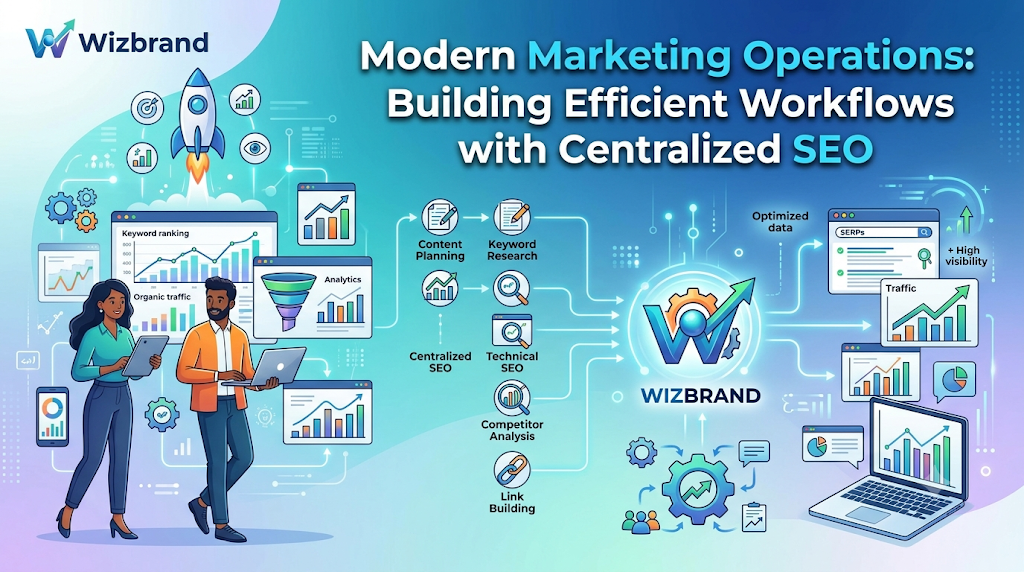
An all-in-one digital marketing platform is a software ecosystem designed to combine core marketing disciplines into a single operational hub. Instead of subscribing to separate services for rank tracking, site auditing, task tracking, and digital media storage, an integrated system centralizes data and team workflows.
                  ┌──> SEO Management & Rank Tracking
                  ├──> Technical Audits & Backlink Analysis
 [ Central Hub ] ──┼──> Digital Asset Management (DAM)
                  ├──> Workflow & Task Orchestration
                  └──> Influencer & Campaign Marketplaces
By bringing data ingestion and task execution into one place, an integrated marketing workspace simplifies operations, improves data visibility, and reduces administrative overhead across channels.
Common Challenges in Marketing Operations
Managing a disjointed software stack introduces several operational bottlenecks that hinder growth:
Software Overload and Context Switching
Switching between five or six niche apps to run a single campaign creates cognitive fatigue and wastes valuable time. Team members spend hours logging into different accounts, exporting raw CSV files, and reformatting spreadsheets.
Manual and Inconsistent Reporting
When keyword rankings, site crawl data, and campaign performance live in separate applications, building weekly or monthly reports becomes a manual, error-prone chore. Data discrepancies between platforms often make it difficult to establish a clear source of truth.
Communication Gaps and Delayed Execution
When diagnostic insights are decoupled from task tracking boards, critical recommendations fall through the cracks. For instance, a site audit might flag high-priority canonical errors, but because that finding isn't directly tied to a developer's queue, it sits unaddressed for weeks.
Understanding WizBrand
In real-world growth operations, eliminating software silos requires a well-structured system architecture. Platforms like WizBrand serve as a useful educational example of how integrated marketing platforms consolidate technical SEO, project management, asset distribution, and team collaboration into a single workspace.
By uniting strategic planning with execution, platforms like WizBrand demonstrate how connecting data diagnostics directly to project management helps teams resolve site issues faster, maintain brand consistency, and execute multi-channel campaigns without software friction.
SEO Management Software: The Central Command Center
Search engine optimization is an ongoing operational process that spans site health, content creation, page experience, and off-page authority. Purpose-built SEO management software aligns these moving parts so teams can plan, execute, and monitor campaigns efficiently.
Mapping Strategy Directly to Execution
Keyword research and target mapping are far more effective when linked directly to production schedules. An integrated workspace lets teams assign target keyword clusters to specific landing page tasks, attach writing briefs, and set completion deadlines without jumping across platforms.
Continuous Performance Oversight
Search algorithms and competitive positions change regularly. Maintaining a centralized command center ensures that whenever search visibility shifts, the team receives alerts connected to historical updates, allowing for quick adjustments.
SEO Rank Tracking Tool: Precision Search Visibility
Evaluating search performance requires clean, continuous data collection across devices and geographic locations. A reliable SEO rank tracking tool gives growth teams real-time visibility into keyword performance and competitive positions.
+--------------------------------------------------------------------------+
| DAILY RANK TRACKING PIPELINE                                            |
|                                                                          |
| [ Search Query Engine ] ──> [ Geo / Device Filter ] ──> [ SERP Parser ]  |
|                                                                 │        |
| [ Historical Database ] <── [ Competitor Context ] <────────────┘        |
+--------------------------------------------------------------------------+
Key Elements of Modern Rank Monitoring
-
Daily Ranking History: Parsing search engine result pages daily helps teams distinguish between short-term SERP volatility and sustained ranking drops.
-
Geographic and Device Segmentation: User search intent and SERP layouts differ between mobile and desktop devices, as well as by physical location. Localized tracking prevents regional blind spots.
-
Competitor Benchmarking: Tracking domain visibility alongside key competitors reveals whether ranking changes stem from site-specific updates or broader algorithm shifts.
Technical SEO Site Audit Tool: Monitoring Structural Health
High-quality content cannot rank effectively if a website suffers from underlying technical flaws. An automated technical SEO site audit tool continuously crawls web pages to surface structural issues before they impact search indexation or rankings.
+--------------------------------------------------------------------------+
| TECHNICAL AUDIT ENGINE                                                   |
|                                                                          |
| [ Site Crawler ] ──> [ DOM & Script Parser ] ──> [ Health Diagnostics ]  |
|                                                          │               |
| [ Priority Issue List ] <── [ Structural Categorization ] <┘             |
+--------------------------------------------------------------------------+
Essential Audit Diagnostics
-
Crawlability and Indexing: Spotting unintended
noindexdirectives, misconfiguredrobots.txtrules, and broken canonical tags that block search bots. -
Core Web Vitals and Speed: Pinpointing large uncompressed images, unminified scripts, and render-blocking resources that slow down page loading.
-
Site Architecture: Locating broken internal links (404 errors), redirect loops, and orphaned pages that waste crawl budget.
-
Structured Data Verification: Validating JSON-LD schema markup to ensure eligibility for rich search snippets.
Backlink Analysis Tool: Monitoring Link Authority and Risk
An authoritative backlink profile remains a fundamental ranking signal. Using a dedicated backlink analysis tool provides clear visibility into link acquisition trends, anchor text distribution, and domain risk factors.
+--------------------------------------------------------------------------+
| BACKLINK ANALYTICS PIPELINE                                              |
|                                                                          |
| [ Link Index Crawler ] ──> [ Graph Analysis ] ──> [ Anchor & Risk Engine ]|
|                                                          │               |
| [ Actionable Disavow List ] <── [ Toxicity Scoring ] <───┘               |
+--------------------------------------------------------------------------+
Core Components of Backlink Oversight
-
Referring Domain Growth: Tracking incoming link volume over time to ensure natural, steady domain authority growth.
-
Anchor Text Diversity: Monitoring anchor text distributions to prevent over-optimization flags while maintaining topic relevance.
-
Toxicity and Risk Assessment: Detecting suspicious link spikes or low-quality referring domains so teams can clean up their profile via disavow files when necessary.
SEO Project Management Software: Structuring Operations
Executing organic growth campaigns requires specialized operational workflows. Generic task boards often lack the technical fields needed to track search optimizations through to completion.
Using specialized SEO project management software equips teams with custom task templates, priority scoring, and metrics tracking designed specifically for technical search operations.
+--------------------------------------------------------------------------+
| SEO TASK ARCHITECTURE                                                    |
|                                                                          |
| [ Audit Issue / Keyword Target ] ──> [ Task Creation & Specs ]           |
|                                             │                            |
| [ Published / Verified Live ] <── [ Production & QA Collaboration ]     |
+--------------------------------------------------------------------------+
Benefits of Specialized Task Management
-
Clear Task Ownership: Assigning specific specialists to technical fixes, content updates, link outreach, and quality assurance reviews.
-
Impact-Driven Prioritization: Sorting backlog tasks by potential search impact versus developer effort required.
-
Automated Verification: Triggering automatic site recrawls once a task is marked complete to confirm the fix deployed correctly on live servers.
Digital Marketing Workflow Management: Improving Productivity
Scaling digital campaigns across channels requires structured, repeatable execution. Using digital marketing workflow management software helps teams build clear, reliable campaign delivery pipelines.
Key Operational Advantages
-
Standard Operating Procedures (SOPs): Pre-configured process templates ensure every blog post, landing page, or campaign launch follows strict brand and technical guidelines.
-
Automated Task Handoffs: Automatic status notifications alert writers, designers, and developers exactly when a task is ready for their input.
-
Cross-Departmental Visibility: Providing leadership and team members with a transparent view of project milestones builds accountability.
Digital Asset Management: Organizing Media Resources
Creative assets, campaign media, and technical documents often get buried across local downloads, chat threads, and cloud folders. Using dedicated digital asset management software for marketing teams brings order and control to creative libraries.
+--------------------------------------------------------------------------+
| DIGITAL ASSET MANAGEMENT (DAM) PIPELINE                                  |
|                                                                          |
| [ Central Repository ] ──> [ Tagging & Metadata ] ──> [ Context Linking ]|
|                                                             │            |
| [ Campaign Execution ] <── [ Granular Access Controls ] <───┘            |
+--------------------------------------------------------------------------+
Core Features of Integrated Asset Storage
-
Centralized Media Libraries: Storing high-resolution graphics, video files, brand templates, and copy assets in a searchable repository.
-
Version Control: Ensuring team members always use up-to-date, approved brand logos and visual assets.
-
Direct Asset Integration: Attaching creative files directly to SEO briefs and campaign tasks without leaving the main workspace.
Influencer Marketing Marketplace: Streamlining Campaigns
Managing creator outreach through manual emails and disconnected spreadsheets leads to lost records and tracking gaps. An integrated influencer marketing marketplace simplifies creator discovery, brief sharing, and performance tracking inside your primary platform.
Streamlining Creator Partnerships
-
Targeted Partner Discovery: Finding creators based on audience demographics, engagement metrics, and niche alignment.
-
Centralized Briefing: Sharing campaign guidelines, brand assets, and trackable referral links inside one workspace.
-
Performance Attribution: Tracking referral traffic, backlink value, and engagement metrics generated by creator partnerships.
Practical Applications Across Marketing Teams
Different business models experience distinct operational challenges that centralized marketing platforms help resolve.
1. SEO Software for Agencies
Agencies managing multiple accounts can unify client reporting, assign tasks across account teams easily, and run automated technical audits without toggling between separate tool accounts.
2. Ecommerce Businesses
Online retailers managing large product catalogs can catch broken internal links, resolve canonical duplicate issues, and track search performance across product categories at scale.
3. SaaS Companies and Growth Marketers
Software marketing teams can align product releases, documentation updates, and technical SEO tasks directly within dev sprint cycles.
4. Startups and Lean Teams
Early-stage companies can run multi-channel organic growth initiatives efficiently without wasting budget and time configuring complex third-party tool integrations.
Operational Comparison Tables
Traditional Marketing Workflows vs. Integrated Marketing Platforms
| Performance Metric | Traditional Disconnected Workflow | Integrated Marketing Platform |
|---|---|---|
| Data Ingestion | Manual CSV exports across 5+ tools | Automated, real-time sync in one workspace |
| Context Switching | High; constant jumping between apps | Low; single interface for tasks, assets, and data |
| Task Creation | Manual copy-pasting from audit reports | Direct one-click task conversion from insights |
| Reporting Speed | Hours spent aggregating custom spreadsheets | Automated dynamic reporting dashboards |
| Asset Access | Fragmented links across cloud drives | Centralized Digital Asset Management (DAM) |
Feature Comparison: Standalone Tools vs. Unified Platforms
| Operational Feature | Multiple Standalone Tools | Unified Marketing Platform |
|---|---|---|
| Rank Tracking | Isolated keyword performance metrics | Keyword rankings mapped to URLs and tasks |
| Technical Site Audits | Diagnostics decoupled from task management | Direct issue creation and dev assignment |
| Asset Storage | Unstructured cloud folders | Tagged media library with usage tracking |
| Influencer Outreach | Disconnected emails and spreadsheets | Native marketplace and ROI tracking |
| Software Costs | Multiple recurring software invoices | Single predictable platform subscription |
Best Practices for Scaling Marketing Operations
-
Consolidate Tool Subscriptions: Audit your software stack regularly to eliminate duplicate subscriptions and reduce unnecessary software expenses.
-
Link Data Directly to Tasks: Ensure site audit findings, rank movements, and backlink updates convert directly into assigned, trackable team tasks.
-
Organize Creative Media: Maintain a well-tagged digital asset repository so team members can find and use approved brand collateral quickly.
-
Automate Technical Monitoring: Schedule recurring site crawls and daily rank tracking to identify and fix technical errors before they impact traffic.
-
Standardize Task Templates: Build reusable SOP project templates for content publishing, site migrations, and partner campaigns to maintain execution consistency.
Frequently Asked Questions
What is an all-in-one digital marketing platform?
An all-in-one digital marketing platform is an integrated software system that unifies core growth capabilities—such as rank tracking, site auditing, digital asset management, and project tracking—into a single workspace.
How does an integrated SEO rank tracking tool differ from standalone tracking software?
Integrated rank tracking connects keyword performance metrics directly to specific page URLs, content briefs, and task boards, making performance shifts actionable without manually exporting spreadsheets.
Why is SEO project management software important for agencies?
It provides specialized task structures, client account organization, and custom reporting tailored specifically for organic search campaigns, helping agencies manage multiple client accounts efficiently.
How does digital asset management improve team productivity?
Centralizing media files, creative templates, and brand guidelines in a single repository ensures team members spend less time hunting for files and avoid using outdated assets.
What are the main benefits of a technical SEO site audit tool?
An automated audit tool continuously scans web pages for crawl errors, slow loading speeds, broken links, missing schema, and mobile usability issues, helping maintain overall site health.
Can small businesses benefit from digital marketing workflow management software?
Yes. Lean teams can lower software costs, eliminate administrative friction, and run structured marketing campaigns without needing large dedicated operations teams.
How do backlink analysis tools help protect domain authority?
They monitor incoming link volume, anchor text distribution, and link quality scores, making it easy to identify low-quality or spammy links and disavow them quickly.
What role does an influencer marketing marketplace play in growth campaigns?
An influencer marketplace helps brands discover creators, share campaign briefs, track deliverables, and measure referral performance inside a single platform.
How does tool consolidation reduce software expenses?
Replacing multiple single-purpose SaaS subscriptions with a single integrated platform lowers subscription costs, cuts administrative overhead, and eliminates integration maintenance time.
Conclusion
Sustained digital marketing success relies on building clear, friction-free workflows that help teams execute strategy efficiently. Managing growth initiatives across disconnected software tools creates data silos, increases administrative expenses, and slows down campaign delivery.
By consolidating technical SEO audits, precision rank tracking, asset management, and project workflows into a unified platform like WizBrand, organizations create a reliable foundation for long-term growth. Streamlining your marketing stack allows your team to spend less time managing software and more time executing impactful campaigns.