
An anal fissure is a small tear in the lining of the anal canal that can cause sharp pain, burning and bleeding during or after bowel movements. Although this condition is common, the discomfort can interfere with daily activities, sitting, and using the toilet. Constipation and passing hard stools are frequent triggers, but persistent diarrhoea and other factors can also contribute to fissure formation. Seeking timely Anal fissure treatment Mumbai can help identify the cause of discomfort, relieve symptoms and prevent a fissure from becoming chronic. Treatment may involve dietary changes, medications, topical ointments or a surgical procedure, depending on the severity and duration of the condition.
Dr. Chintamani Godbole, a specialist in colorectal surgery practising at Gadre Hospital in Dadar East, Mumbai, evaluates colorectal conditions and helps patients understand appropriate treatment options. Early consultation can help patients manage symptoms and make informed decisions about their care.
What Is an Anal Fissure?
An anal fissure is a narrow crack or tear in the delicate lining of the anal canal. It commonly develops when hard or large stools stretch the anal opening during a bowel movement. The tear can cause pain and sometimes bleeding, particularly when stool passes over the affected area.
Acute fissures may heal within four to six weeks with appropriate care. However, a fissure that persists for more than six weeks may be considered chronic and can require additional treatment.
A chronic fissure may be associated with a small skin tag near the tear and muscle spasms that interfere with healing. Persistent symptoms should be assessed by a qualified doctor rather than managed indefinitely with home remedies.
Common Symptoms of Anal Fissures
Recognising the symptoms early can help you seek appropriate medical attention. Common signs include:
- Pain during bowel movements: Passing stools may cause sharp, cutting or burning pain.
- Pain after passing stools: Discomfort can continue for minutes or even several hours.
- Bright red bleeding: Small amounts of fresh blood may appear on toilet paper or the surface of stools.
- Itching and irritation: The skin around the anus may feel uncomfortable or sensitive.
- A visible tear or skin tag: A small crack or lump may be noticeable near the anal opening.
These symptoms can overlap with other anorectal conditions, including haemorrhoids. If you experience rectal bleeding or persistent pain, consult a doctor for an accurate diagnosis. Heavy bleeding, dizziness, fever or rapidly worsening pain requires prompt medical assessment.
What Causes Anal Fissures?
Several factors can contribute to the development of an anal fissure. Identifying the underlying trigger is an important part of treatment and prevention.
Constipation and hard stools: Passing dry, hard stools can stretch and damage the anal lining.
Straining during bowel movements: Repeated straining increases pressure on the anal canal and may aggravate an existing tear.
Chronic diarrhoea: Frequent bowel movements and irritation can damage the sensitive tissue around the anus.
Reduced blood supply and muscle spasm: Tightness of the internal anal sphincter and reduced blood flow may interfere with healing in some fissures.
Pregnancy and childbirth: Physical changes and constipation associated with pregnancy or the postpartum period may increase the risk.
Understanding these factors helps guide treatment, particularly when fissures recur or fail to heal with basic measures.
Anal fissure treatment Mumbai: Diagnosis and Treatment Options
The right approach to Anal fissure treatment Mumbai depends on the severity of the tear, how long symptoms have been present and whether previous treatments have helped. Many acute fissures respond to non-surgical care, while chronic fissures may require specialist treatment.
1. Clinical Examination and Diagnosis
Diagnosis generally begins with a discussion of symptoms, bowel habits, medical history and previous treatments. A doctor may examine the anal area to identify a visible tear and assess whether further investigation is needed.
A clinical examination is often sufficient to diagnose a typical fissure. Additional tests, including colonoscopy, may be recommended when symptoms suggest another condition, when the diagnosis is uncertain or when age and other risk factors warrant further evaluation.
2. Dietary Changes and Conservative Management
The first step for many acute fissures is to reduce constipation and minimise strain during bowel movements. Recommended measures may include:
- Eating fibre-rich foods such as vegetables, fruits, whole grains and legumes.
- Drinking adequate water throughout the day.
- Avoiding excessive straining or delaying bowel movements.
- Taking warm sitz baths to ease discomfort and relax the anal muscles.
- Maintaining regular physical activity, as appropriate.
These measures help keep stools soft and reduce repeated injury to the affected tissue. A doctor may also recommend a suitable stool softener or laxative when necessary.
3. Medications and Topical Ointments
When lifestyle changes are insufficient, prescribed medications may help relieve pain and support healing. Depending on the individual case, treatment may include topical anaesthetic preparations or ointments that relax the internal anal sphincter and improve blood flow to the fissure.
Certain prescription ointments can cause side effects, including headaches, dizziness or local irritation. They should be used according to medical advice rather than selected without an assessment.
A doctor may review progress after several weeks to determine whether the fissure is healing or whether another treatment is needed.
4. Surgical Treatment for Chronic Fissures
If a fissure does not heal despite appropriate medical treatment, surgery may be considered. One established option is lateral internal sphincterotomy, in which a carefully selected portion of the internal anal sphincter muscle is divided to reduce excessive tension and allow the fissure to heal.
The procedure is often performed under anaesthesia and may be suitable as a day-case operation. However, it is not necessary for every patient.
Surgery carries potential risks, including changes in the ability to control gas or stools. The surgeon should assess existing bowel-control problems, previous anorectal procedures and other relevant medical factors before recommending an operation. The benefits, alternatives and possible complications should be discussed before consent.
Why Choose Dr. Chintamani Godbole for Anal Fissure Care?
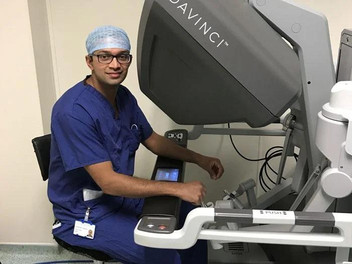
Dr. Chintamani Godbole is a gastrointestinal and colorectal surgeon with specialist training in colorectal conditions and advanced surgical techniques. His qualifications include MBBS and MS in General Surgery from Seth G. S. Medical College and KEM Hospital, Mumbai, DNB in Surgical Gastroenterology, and FRCS from Edinburgh, UK. He also completed fellowships in robotic colorectal surgery in Coventry and colorectal and peritoneal oncology in Basingstoke, UK.
His professional experience includes more than 10 years of clinical practice, further colorectal surgery training in the UK, and experience with minimally invasive colorectal procedures. His broader expertise includes colorectal surgery, complex fistula-in-ano, pelvic floor conditions and surgery for colorectal cancer.
For patients seeking a Colorectal Surgeon in Mumbai, specialist assessment can help distinguish anal fissures from other causes of anal pain and bleeding. Dr. Chintamani Godbole aims to provide individualised guidance based on the patient’s symptoms, examination findings and treatment needs.
Consultations are available at Gadre Hospital, near Hindmata Cinema in Dadar East, Mumbai. Patients can discuss their concerns, understand suitable treatment options and receive guidance on follow-up care. The hospital location provides an accessible consultation option for people seeking colorectal care in Mumbai.
Recovery and Prevention After Anal Fissure Treatment
Recovery depends on whether the fissure is treated with medication or surgery. Following the treatment plan and preventing constipation are important for healing and reducing recurrence.
Helpful precautions include:
- Maintain a fibre-rich diet and adequate fluid intake.
- Follow prescribed medication instructions and attend follow-up appointments.
- Avoid prolonged straining while passing stools.
- Keep the anal area clean and dry, using gentle hygiene practices.
- Contact your doctor if pain, bleeding or other symptoms persist or worsen.
After surgery, follow the surgeon’s instructions about wound care, activity, pain relief and bowel management. Do not assume that persistent bleeding is caused by a fissure without medical evaluation.
With appropriate care, many fissures heal successfully. However, recurring symptoms should be reassessed so that any underlying cause can be addressed.
Book an Appointment with Dr. Chintamani Godbole
If you are experiencing pain during bowel movements, recurring bleeding or discomfort around the anus, seek medical evaluation rather than relying solely on home remedies. Anal fissure treatment Mumbai with a qualified colorectal specialist can help identify the cause and determine an appropriate treatment plan.
Contact Dr. Chintamani Godbole at Gadre Hospital to discuss your symptoms and arrange a consultation.
+91 8108791470 | +91 8451865944 (In case of emergency)
drchintamanigodbole@gmail.com
Get Directions to the Clinic – Gadre Hospital, Mumbai
Frequently Asked Questions
1. Can an anal fissure heal without surgery?
Yes. Many acute fissures heal with dietary changes, adequate hydration, stool softeners when prescribed and appropriate topical medications. Surgery may be considered if the fissure becomes chronic or does not respond to conservative treatment.
2. When should I consult a doctor for an anal fissure?
Consult a doctor if you experience sharp pain during bowel movements, bleeding, recurring symptoms or discomfort that does not improve. Seek prompt assessment if symptoms worsen or you experience significant bleeding, fever or severe pain.
3. Is surgery always necessary for chronic anal fissures?
No. The treatment depends on the fissure’s severity, previous treatment response and individual medical history. Some patients benefit from prescription ointments or other non-surgical therapies, while others may require a procedure such as lateral internal sphincterotomy.
4. Who should I consult for anal fissure treatment in Mumbai?
You can consult Dr. Chintamani Godbole, a colorectal surgeon practising at Gadre Hospital in Dadar East. He evaluates colorectal conditions and can advise on suitable treatment options based on your symptoms and clinical findings.