
Full-port ball valves are widely used in industrial applications due to their durability, efficiency, and ability to handle a wide range of fluids. However, like any mechanical component, proper maintenance is crucial to ensuring their long-term reliability. This guide will explore the best practices for maintaining full-port ball valves to keep them functioning optimally for years to come.
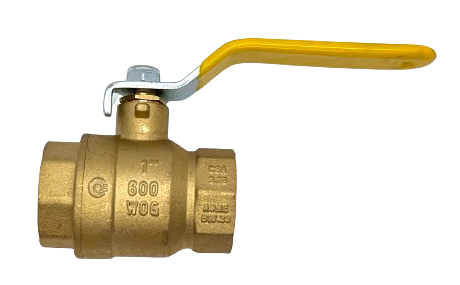
Understanding Full Port Ball Valves:
Full-port ball valves are designed with a ball inside that has a large, unobstructed bore, allowing fluid to pass through with minimal resistance. They are ideal for applications that require high flow capacity, such as in the oil, gas, and chemical industries. The wide bore design reduces pressure drop, making full-port ball valves a preferred choice for systems that need high efficiency and flow rates.
1. Regular Inspection:
To maintain full port ball valves, it's essential to conduct regular inspections. This helps to identify early signs of wear and tear, corrosion, or damage. Regular checks will prevent small issues from turning into bigger, more costly repairs.
- Tip: Schedule inspections at least once a month, or more frequently if the valve is used in harsh conditions. Look for signs of leaks, corrosion, and any irregularities in valve movement.
2. Lubrication:
Like any mechanical component with moving parts, full-port ball valves require lubrication to function smoothly. Proper lubrication ensures that the ball moves freely within the valve body and prevents unnecessary wear on seals and gaskets.
- Tip: Use high-quality, compatible lubricants recommended by the valve manufacturer. Be careful not to over-lubricate, as this can attract dirt and debris.
3. Cleaning the Valve:
Dirt and debris can accumulate inside the valve, particularly if it is used in systems that handle slurries or unclean fluids. This can impede the valve's operation and lead to early failure. Regular cleaning is necessary to prevent clogging and maintain performance.
- Tip: Clean the valve by flushing it with clean water or a compatible cleaning solution. Avoid harsh chemicals that could damage the valve's internal components.
4. Replacing Worn Seals and Gaskets:
Seals and gaskets are some of the most vulnerable parts of a full-port ball valve. Over time, they may become brittle or worn, leading to leaks. Regularly checking and replacing these components is essential for maintaining the valve's integrity.
- Tip: Keep spare seals and gaskets on hand for quick replacement. Follow the manufacturer’s instructions when replacing these components to ensure a proper fit and seal.
5. Avoid Over-Tightening:
Over-tightening a full-port ball valve can lead to damage, particularly to the seals and seats. It may seem counterintuitive, but applying excessive force can cause more harm than good.
- Tip: Use a torque wrench to tighten the valve to the manufacturer's specifications. Avoid using excessive force during operation, and always follow the recommended procedures.
6. Protect the Valve from Extreme Conditions:
While full port ball valves are built to withstand a variety of conditions, extreme temperatures, pressures, or corrosive environments can accelerate wear and tear. Ensure that the valve is installed in an environment suitable for its design.
- Tip: Use protective coatings or coverings if the valve is exposed to corrosive substances or extreme weather conditions. If the valve is exposed to extreme temperatures, consider upgrading to a model designed to handle those specific conditions.
7. Valve Actuation Maintenance:
For automated systems that use actuators to operate the ball valves, it's crucial to maintain the actuators in parallel with the valves. Any issues with the actuators can affect the valve's performance, leading to potential system failures.
- Tip: Check the actuator for proper alignment, responsiveness, and any signs of wear. Regularly clean and lubricate the actuator as well to ensure smooth operation.
Maintaining full port ball valves doesn't have to be a complicated process. With regular inspections, proper lubrication, and attention to potential wear, these valves can last for many years without significant issues. Investing time in maintenance now will prevent costly repairs or replacements down the line, ensuring that your system continues to operate efficiently.
Explore further information here!