
Dishwashers are essential kitchen appliances that make life easier by handling dirty dishes efficiently. But when your dishwasher struggles—leaving dishes unclean, water pooling at the bottom, or making unusual noises—the problem may not be with the appliance itself. In many cases, hidden plumbing issues are the real culprits behind dishwasher malfunctions.
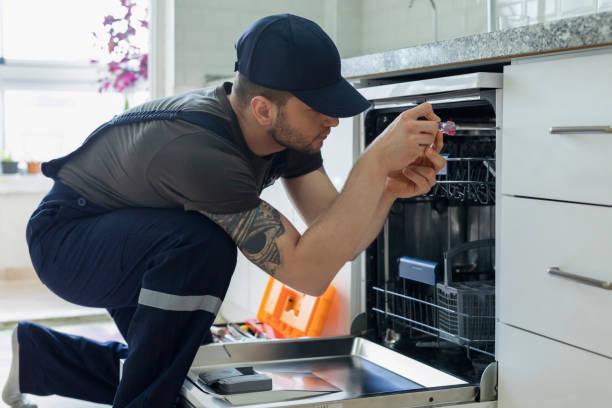
Common Signs of Plumbing-Related Dishwasher Issues
Understanding the signs can help homeowners and property managers identify plumbing problems early:
-
Standing Water: If your dishwasher doesn’t drain properly, it often results in water pooling at the bottom of the tub. This could indicate a clog in the drain line or a blocked air gap.
-
Unusual Noises: Gurgling, banging, or humming sounds during a wash cycle may signal a blocked or partially clogged plumbing line.
-
Leaking Water: Leaks around the base of the dishwasher can stem from faulty hoses, poor connections, or pressure issues in the plumbing system.
-
Slow or Poor Cleaning: If dishes come out dirty or spotty, low water pressure caused by plumbing obstructions could be the underlying issue.
Recognizing these warning signs early allows for timely intervention, preventing more serious water damage or costly repairs.
How Plumbing Problems Affect Dishwasher Performance
While many people assume a malfunctioning dishwasher is the appliance’s fault, plumbing plays a crucial role in its proper operation. Here’s how:
-
Drain Line Clogs: Soap, food particles, and grease can accumulate in the drain line over time. When blocked, the dishwasher cannot expel water efficiently, leading to standing water and foul odors.
-
Faulty Water Supply: Low water pressure or inconsistent supply from your home’s plumbing can result in poorly cleaned dishes and longer wash cycles.
-
Kinked or Damaged Hoses: Hoses that supply water or drain wastewater can get bent, cracked, or disconnected. Even minor hose issues can affect performance and cause leaks.
-
Air Gap or Garbage Disposal Issues: Dishwashers rely on proper drainage systems connected to the kitchen plumbing. A blocked air gap or improperly connected garbage disposal can interfere with normal operation.
Preventing Plumbing Problems from Affecting Your Dishwasher
Preventive maintenance is key to keeping your dishwasher running smoothly:
-
Regular Cleaning: Clean the dishwasher filter and inspect the drain lines periodically to remove debris buildup.
-
Check Water Pressure: Ensure your home maintains consistent water pressure. Low pressure can strain your dishwasher and reduce efficiency.
-
Inspect Hoses and Connections: Look for signs of wear, kinks, or leaks in the supply and drain hoses. Replace damaged hoses promptly.
-
Professional Plumbing Inspection: Annual plumbing inspections can detect hidden issues before they affect your dishwasher, saving time, money, and potential water damage.
When to Call a Professional
While some minor issues can be resolved by homeowners, persistent problems often require a licensed plumber. Professionals have the tools and experience to:
-
Detect hidden clogs or leaks in the plumbing system
-
Repair or replace damaged hoses and connections
-
Adjust water pressure and ensure proper drainage
-
Perform thorough inspections to prevent future dishwasher issues
Conclusion
A struggling dishwasher isn’t always a sign of appliance failure. In many cases, hidden plumbing problems—from clogged drain lines to low water pressure—are the real obstacles. Recognizing warning signs, performing preventive maintenance, and calling a professional when necessary can save homeowners from costly repairs and water damage.
Next time your dishwasher underperforms, remember: the problem may not be the appliance itself—it may be your plumbing silently causing the struggle.