
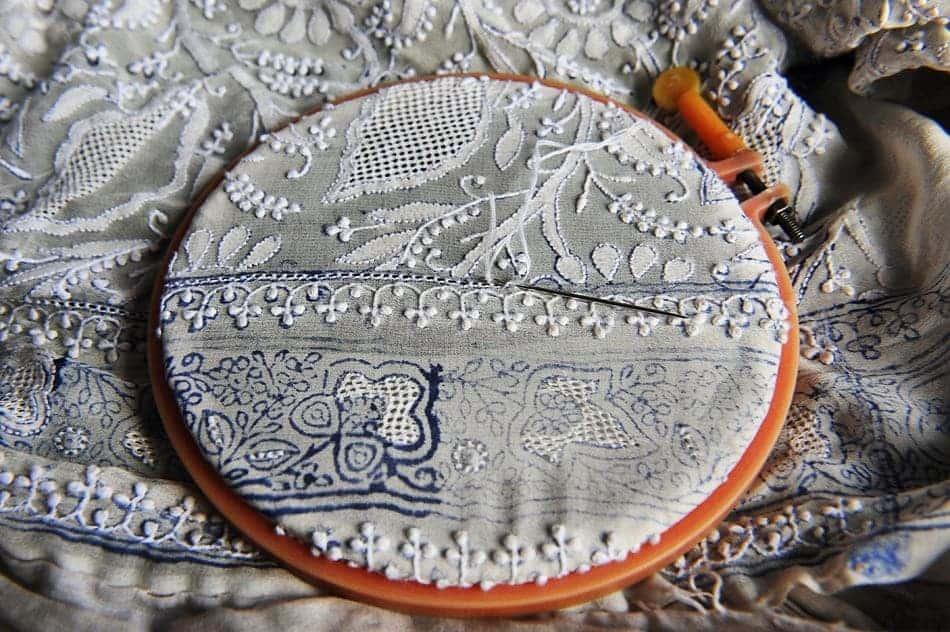
Chikankari embroidery is one of the finest hand embroidery traditions of India, known for its delicate detailing, soft fabrics, and timeless elegance. Originating from Lucknow, this art form has found admirers worldwide, including saree lovers in the UAE who cherish its graceful appeal.
But with growing popularity, the market has also seen a rise in machine-made and duplicate versions that look similar but lack the charm, value, and craftsmanship of an authentic Chikankari saree. For buyers, especially those shopping online or outside India, identifying authenticity can feel overwhelming.
In this guide, we’ll help you understand the unique traits of Chikankari and provide simple tips to identify a genuine piece before you buy.
What Makes Chikankari Sarees Unique?
Chikankari embroidery dates back to the Mughal era and is often described as the “poetry of threads.” Traditionally done on light fabrics such as muslin and cotton, the embroidery features delicate white threadwork with motifs inspired by nature—floral vines, paisleys, and creepers.
Unlike many other embroideries, Chikankari is subtle and refined, focusing on elegance over glitter. Its authenticity lies in the handwork, which takes artisans weeks or even months to complete, making every saree unique and valuable.
Common Problems Buyers Face
Many customers struggle when trying to choose an authentic Chikankari saree, especially when shopping online or abroad. Common concerns include:
-
Machine-made vs. Hand-embroidered Confusion – Machine embroidery often mimics Chikankari but lacks the originality of hand stitches.
-
Misleading Labels – Some sellers market synthetic sarees as “Chikankari.”
-
Unclear Pricing – Buyers get confused as prices vary drastically between authentic and replica versions.
-
Lack of Awareness – Many people do not know how to check fabric, stitches, or motifs.
Understanding these issues is the first step toward making a confident purchase.
Key Ways to Identify an Authentic Chikankari Saree
1. Examine the Fabric
Authentic Chikankari embroidery is traditionally done on muslin, cotton, silk, chiffon, and georgette. These fabrics are lightweight and breathable, allowing the hand embroidery to stand out.
If you find embroidery on stiff or synthetic fabric, chances are it’s not genuine.
2. Look Closely at the Stitches
One of the strongest signs of authenticity lies in the stitches. Hand embroidery has a natural unevenness—slight imperfections that actually prove it’s handcrafted.
Common stitches in authentic Chikankari include:
-
Bakhiya (shadow work) – creates a subtle, shadow-like effect.
-
Phanda – small knot-like stitches.
-
Keel Kangan – intricate, fine lines.
If all stitches look mechanically perfect, the saree is most likely machine-made.
3. Check the Reverse Side
Flip the saree and check the back of the embroidery. In an authentic Chikankari saree, you’ll notice loose threads and knots, which is normal in handwork. Machine-made versions, on the other hand, usually have a neat, almost “printed” reverse side.
4. Authentic Motifs and Designs
Traditional motifs include floral vines (bel), paisleys, mango shapes, lotus patterns, and creepers. These are delicate and symmetrical but not flashy.
Excessively bold or unusual motifs often point to replicas.
5. Price as a Clue
Crafting a real Chikankari saree requires weeks of labor, which reflects in its price. If a saree is being sold at an unbelievably low cost, it’s likely machine-made. Remember, authenticity comes with craftsmanship, not cheap mass production.
6. Feel the Craftsmanship
A true Chikankari saree feels light, soft, and elegant. You’ll notice the intricacy and depth in its embroidery when you touch it. Replicas may feel heavy, rough, or overly stiff because of synthetic materials.
Tips for Buying an Authentic Chikankari Saree
To avoid confusion and make a smart purchase:
-
Buy from trusted sellers or certified stores that specialize in handloom or artisan sarees.
-
Ask questions about fabric, embroidery techniques, and origin.
-
Learn basic stitches—just knowing the difference between shadow work and machine uniformity can help.
-
Check customer reviews and close-up pictures if buying online.
-
For convenience, you can also buy chikankari saree online from reliable platforms that guarantee authenticity.
Why Authenticity Matters
Choosing an authentic Chikankari saree isn’t just about fashion—it’s about value and heritage.
-
Supports artisans who keep this centuries-old tradition alive.
-
Ensures quality—authentic pieces last longer and age beautifully.
-
Adds true value to your collection, making it a timeless investment.
-
Cultural pride—owning an original piece means carrying forward India’s artistic legacy.
Choosing an authentic Chikankari saree isn’t just about fashion—it’s about value and heritage. It connects you to centuries of tradition, much like other timeless handloom styles you’ll find when Exploring the Rich Heritage of North Indian Sarees.
Conclusion
Authentic Chikankari sarees are not just garments; they are a reflection of timeless artistry and heritage. By examining the fabric, stitches, motifs, reverse side, and overall craftsmanship, you can easily distinguish genuine hand-embroidered sarees from machine-made replicas.
As a saree lover, being aware of these details ensures that you not only get the best value but also preserve an art form that has been cherished for centuries.
FAQs
Q1. How much does an authentic Chikankari saree cost?
A genuine piece can start from mid-range prices and go higher depending on the fabric and complexity of embroidery. Machine-made versions are usually cheaper.
Q2. Can Chikankari sarees be worn at weddings or festive occasions?
Yes! While they are often seen as elegant everyday wear, authentic Chikankari sarees in silk or georgette with heavier embroidery are perfect for parties, weddings, and festive celebrations.
Q3. How do I maintain a Chikankari saree?
Always dry-clean or hand wash gently in mild detergent. Store in a cool, dry place and avoid direct sunlight for long durations.
Q4. Which fabrics are best for authentic Chikankari work?
Cotton and muslin for light daily wear, while silk, chiffon, and georgette are popular for festive and formal occasions.