
Experiencing a fire in your home is traumatic enough, but the story often doesn't end with the flames. Firefighters frequently use massive amounts of water to extinguish the blaze, leaving behind a double threat: charred structures soaked in moisture. This combination of fire and water damage can lead to structural instability, pervasive soot and smoke residues, corrosive acids, and rapid mold growth if not addressed promptly. Professional restoration bridges the gap from crisis to renewal, following industry-standard protocols to safely return your property to pre-loss condition.
In this detailed guide, we'll walk through the entire process step by step, drawing from established best practices like those outlined in IICRC (Institute of Inspection, Cleaning and Restoration Certification) standards—specifically ANSI/IICRC S700 for fire and smoke damage and S500 for water damage. We'll cover timelines, costs, challenges unique to combined damage, common pitfalls, and practical prevention tips to help you navigate recovery effectively.
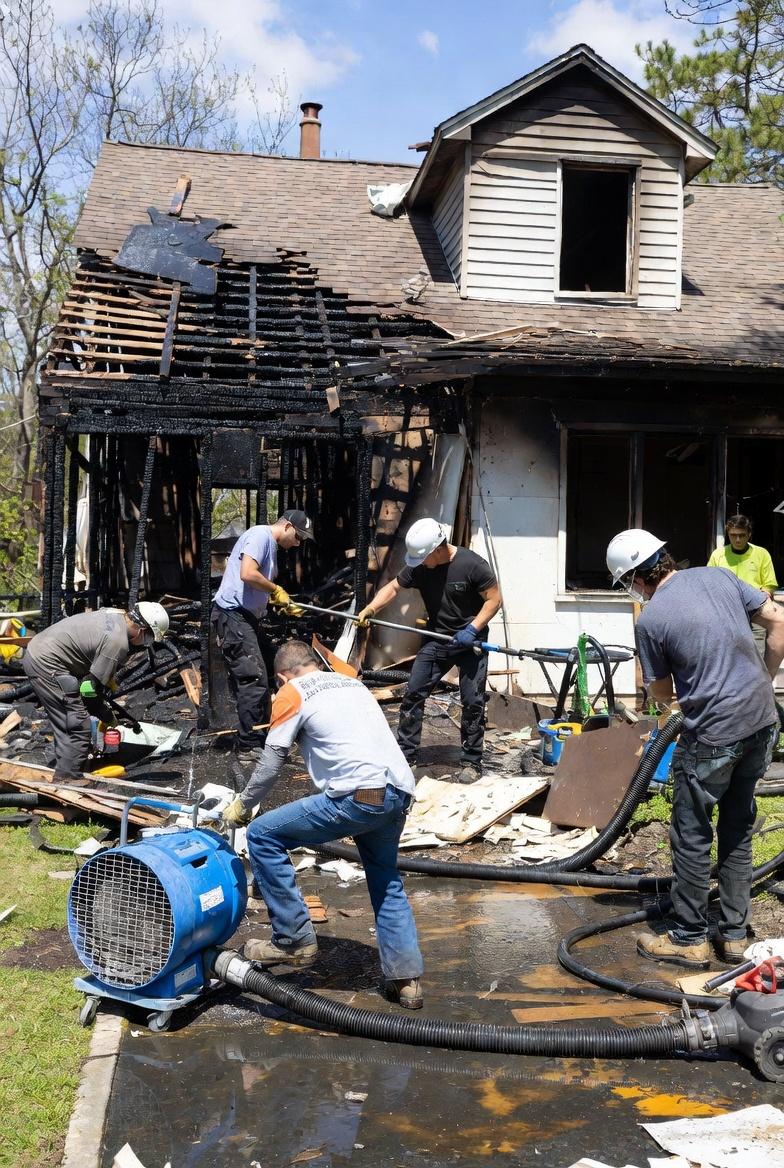
Understanding the Dual Damage: Why Fire and Water Often Strike Together
Fire damage primarily involves heat, flames, smoke, and soot. Flames can warp beams, melt fixtures, and destroy contents, while smoke particles—acidic and oily—penetrate porous materials, causing discoloration, corrosion, and stubborn odors. Water damage enters the picture through firefighting efforts, where thousands of gallons can flood interiors, saturating drywall, insulation, carpets, and subfloors.
This interplay creates unique issues:
- Soot mixed with water forms a corrosive sludge that etches metals and stone.
- High humidity accelerates mold growth, often within 24–48 hours.
- Wet charred materials weaken structures further and complicate cleaning.
Combined incidents are common in residential fires, and addressing them requires an integrated approach rather than treating fire and water separately.
Phase 1: Emergency Response – The Critical First Hours
Restoration begins the moment you call professionals—ideally within hours of the incident. Time is critical: delays allow secondary damage like mold or further structural weakening.
Immediate Actions:
- Safety First — Authorities declare the property safe for entry. Professionals assess structural hazards, electrical risks, and air quality.
- Property Securing — Boarding up windows/doors, tarping roofs, and fencing off the site prevents weather intrusion, looting, or further deterioration.
- Documentation — High-resolution photos, moisture readings, and inventories support insurance claims.
Many certified teams offer 24/7 emergency service, arriving quickly to mitigate escalation. In the first 24–48 hours, focus shifts to stopping ongoing damage.
Phase 2: Comprehensive Damage Assessment
Experts conduct a thorough inspection using tools like thermal imaging cameras (to detect hidden hot spots or moisture), moisture meters, and borescopes (for wall cavities).
Key evaluations include:
- Extent of charring and structural compromise.
- Water saturation levels (categorized as Class 1–4 based on volume and area).
- Smoke/soot penetration and odor sources.
- Contamination (e.g., Category 1 clean water vs. gray water from suppressants).
This phase produces a detailed scope of work and cost estimate, often shared with your insurer for approval.
Phase 3: Water Extraction and Structural Drying
Water removal takes priority in combined scenarios to prevent mold and allow safe soot cleanup.
Steps include:
- Extraction — Powerful pumps and truck-mounted vacuums remove standing water quickly.
- Drying — Industrial air movers create airflow, while dehumidifiers pull moisture from the air. Monitoring ensures materials reach safe dryness levels (typically below 15–16% moisture content for wood).
- Antimicrobial Application — Treatments inhibit bacterial and mold growth during drying.
Drying can take 3–7 days for moderate cases, longer for severe saturation. Advanced techniques like injectidry systems target hard-to-reach areas.
Phase 4: Soot, Smoke, and Residue Removal
With the property dry, attention turns to fire-specific damage.
Techniques vary by surface:
- Dry cleaning (e.g., HEPA vacuuming and chemical sponges) for delicate items.
- Wet cleaning or media blasting (soda, walnut shells) for stubborn soot.
- Duct and HVAC cleaning to prevent recirculation of contaminants.
- Odor neutralization using ozone, hydroxyl generators, or thermal fogging.
Contents are inventoried and moved off-site for specialized cleaning (ultrasonic baths for electronics, dry cleaning for fabrics).
Phase 5: Cleaning, Sanitizing, and Content Restoration
All surfaces receive deep cleaning with EPA-approved agents. Porous materials like insulation may require removal and replacement if contaminated.
Salvageable belongings undergo restoration:
- Electronics tested and refurbished.
- Furniture refinished or reupholstered.
- Documents freeze-dried if wet.
This phase ensures health safety by eliminating toxins and allergens.
Phase 6: Structural Repairs and Reconstruction
Once cleaned and dry, rebuilding begins:
- Removal of irreparable charred or water-damaged materials (drywall, flooring, etc.).
- Repairs to framing, electrical, plumbing, and HVAC by licensed tradespeople.
- Replacement of insulation, drywall, painting, and flooring.
- Final inspections for code compliance.
Reconstruction timelines vary widely—minor incidents wrap in weeks; major ones span months.
Timelines: What to Realistically Expect
- Minor Incidents (small kitchen fire with limited water): 1–4 weeks.
- Moderate Damage (room-wide fire + significant water): 4–12 weeks.
- Severe/Structural Cases (whole-home involvement): 3–12+ months, including insurance approvals and rebuilds.
Factors like weather, material availability, and permitting influence duration.
Costs: Breaking Down the Numbers
Restoration expenses depend on damage scope, home size, and location.
Typical ranges (2025–2026 estimates):
- Minor Fire/Water — $3,000–$10,000.
- Moderate — $10,000–$30,000.
- Severe — $30,000–$100,000+.
Breakdown:
- Emergency boarding/tarping: $1,000–$5,000.
- Water extraction/drying: $2,000–$8,000.
- Soot/smoke cleaning: $3,000–$15,000.
- Reconstruction: $10,000–$50,000+.
Most homeowners insurance covers fire damage (including resulting water), minus deductible. Detailed documentation from restorers strengthens claims.
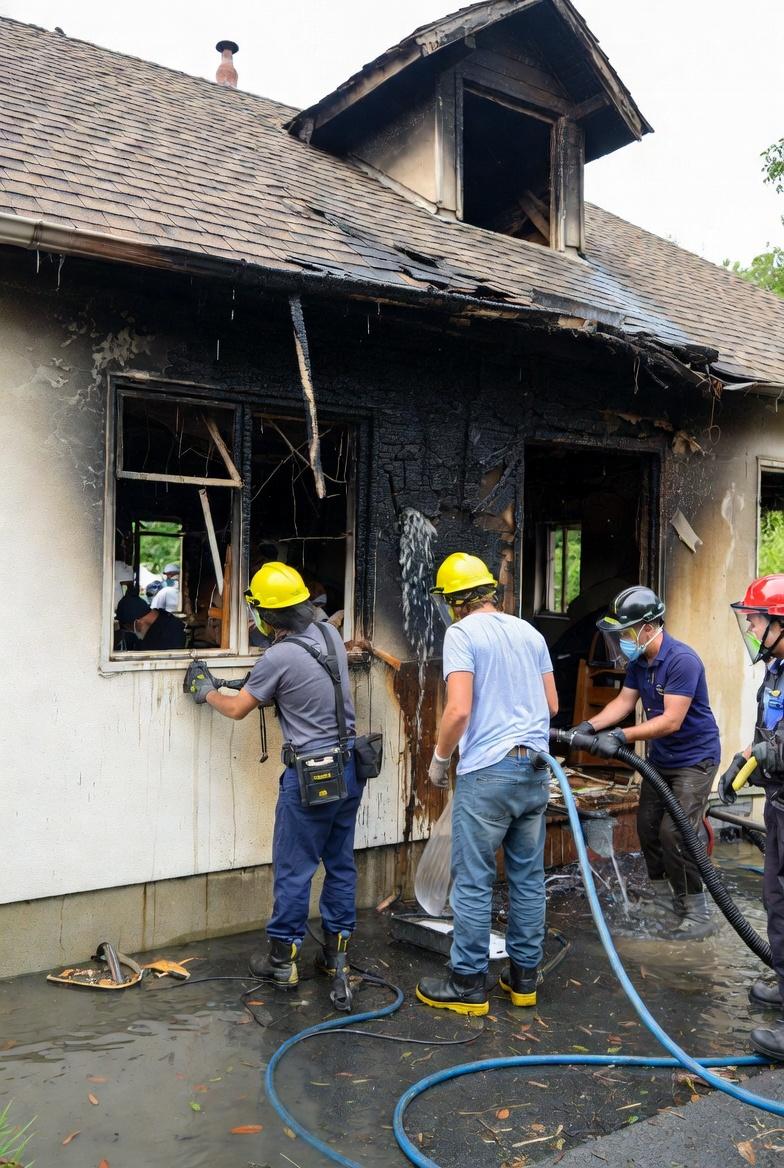
Unique Challenges in Combined Fire and Water Restoration
- Corrosive soot-water mixtures require specialized cleaners.
- Hidden moisture in charred cavities demands advanced detection.
- Odor persistence from layered contaminants.
- Health risks from toxins (asbestos in older homes, synthetic smoke).
Professionals mitigate these with integrated plans, often using innovations like thermal imaging and eco-friendly agents.
Common Mistakes to Avoid – And How to Prevent Them
Homeowners often err in the chaos:
- Delaying Professional Help — Mold starts in 24–48 hours; call experts immediately.
- DIY Cleanup — Improper methods spread soot or cause permanent stains.
- Ignoring Hidden Damage — Water behind walls or in insulation leads to surprises.
- Throwing Away Items Prematurely — Many contents are restorable.
- Overlooking HVAC — Contaminated ducts recirculate residues.
- Entering Unsafe Areas — Structural risks or poor air quality endanger health.
Prevention: Choose IICRC-certified firms, document everything, and follow their guidance closely.
A Path to Full Recovery
Fire and water damage restoration is a structured, science-backed journey from emergency containment to complete renewal. By acting swiftly, partnering with qualified professionals, and understanding each phase, you protect your investment and health. While the process demands patience, most homeowners emerge with a safer, often improved home.
If disaster strikes, prioritize safety, contact your insurer, and reach out to certified restorers without delay—the sooner the response, the better the outcome. Recovery is possible, and with the right approach, your home can rise stronger than before.