
Peptides are essential tools in modern research—used in drug development, cell signaling studies, molecular biology, receptor binding, cancer research, and numerous biochemical assays. But even the highest-purity peptides can degrade, oxidize, or lose activity if stored incorrectly.
Because peptides are highly sensitive to temperature, moisture, pH, and light, following proper storage protocols is crucial to preserving their stability, bioactivity, and shelf life.
This guide explains how peptides should be stored, why storage conditions matter, and the best practices followed by laboratories worldwide.
Why Peptide Storage Matters
Peptides are composed of amino acids linked by peptide bonds. These bonds are strong—but the side chains on amino acids are often chemically reactive.
Improper storage can result in:
-
Oxidation (especially methionine, cysteine, tryptophan residues)
-
Hydrolysis (breakdown by moisture)
-
Deamidation (changes in asparagine/glutamine)
-
Aggregation
-
Loss of structural integrity
-
Reduced biological activity
In research, even minor degradation affects experimental accuracy. Poor storage may result in inconsistent results, failed assays, or unusable peptides.
Best Storage Conditions for Peptides
1. Storing Lyophilized (Dry) Peptides
Most research peptides are delivered in lyophilized powder form because dry peptides are significantly more stable than peptides dissolved in solution.
Ideal Storage Conditions for Dry Peptides
| Storage Type | Temperature | Stability |
|---|---|---|
| Short-term | 4°C (Refrigerator) | 1–2 months |
| Long-term | –20°C (Freezer) | 12–24+ months |
| Ultra-long-term | –80°C (Deep freeze) | 2–5+ years |
Why Dry Peptides Are More Stable
Lyophilization removes water—the main driver of peptide hydrolysis and degradation.
At low temperatures and low humidity, peptides remain stable for long periods.
Dry Peptides Must Be Protected From:
-
Moisture — causes hydrolysis
-
Light exposure — leads to photooxidation
-
Oxygen — accelerates degradation
-
Repeated thawing — causes condensation/moisture
If a peptide contains easily oxidized residues (Cys, Met, Trp), store it under inert gas (nitrogen/argon) if possible.
2. Storing Peptides in Solution
Once peptides are dissolved, their stability decreases significantly.
General Rules for Peptide Solutions:
-
Store at –20°C for up to 1–3 months
-
Store at –80°C for up to 6–12 months
-
Avoid keeping peptide solutions at room temperature
Recommended Solvents
-
Distilled water
-
Acetic acid (0.1%)
-
TFA/water mix for hydrophobic peptides
-
PBS (only if compatible)
Avoid using DMSO for long-term storage because it can affect peptide structure over time.
3. Protecting Peptides From Freeze–Thaw Cycles
Repeated freeze-thaw cycles accelerate degradation by:
-
causing condensation
-
exposing peptides to moisture
-
oxidizing sensitive residues
Best Practice: Aliquoting
Always divide peptides (dry or in solution) into small aliquots:
-
50 µg
-
100 µg
-
500 µg
-
1 mg
This ensures you only thaw the amount needed for each experiment.
4. Handling Peptides After Delivery
When you receive your peptides:
Step 1 — Let the vial reach room temperature (closed)
This prevents condensation from forming inside the vial.
Step 2 — Place immediately in the freezer
For long-term storage, move to –20°C or –80°C.
Step 3 — Reconstitute only what you need
Once dissolved, peptides begin degrading—so only prepare what is required for short-term use.
5. Special Storage Tips Based on Peptide Type
Hydrophobic Peptides
-
Store dry at –20°C
-
For solubilizing, use a small amount of DMSO initially, then dilute
-
Once dissolved, store at –80°C
Oxidation-Prone Peptides
Contain: Met, Cys, Trp
-
Store under argon or nitrogen
-
Keep in tightly sealed vials
-
Avoid light exposure
Peptides with Disulfide Bonds
-
Keep dry
-
Store at –20°C
-
Avoid reducing environments
Long Peptides (>50 amino acids)
-
More prone to degradation
-
Store at –80°C for maximum stability
6. How Humidity and Light Affect Peptide Stability
Humidity
Even small moisture exposure rapidly degrades peptides.
Always store in:
-
airtight vials
-
desiccated containers
-
vacuum-sealed bags
Light
UV light causes oxidation.
Store vials in:
-
amber-colored containers
-
dark storage boxes
-
light-protected freezer areas
7. Labeling and Recordkeeping
Every peptide stock should have:
-
Name and sequence
-
Lot number
-
Date of arrival
-
Date of dissolution
-
Amount and concentration
-
Storage temperature
Good records ensure accurate usage and reproducibility.
8. How Peptide Suppliers Maintain Stability (Important for Researchers)
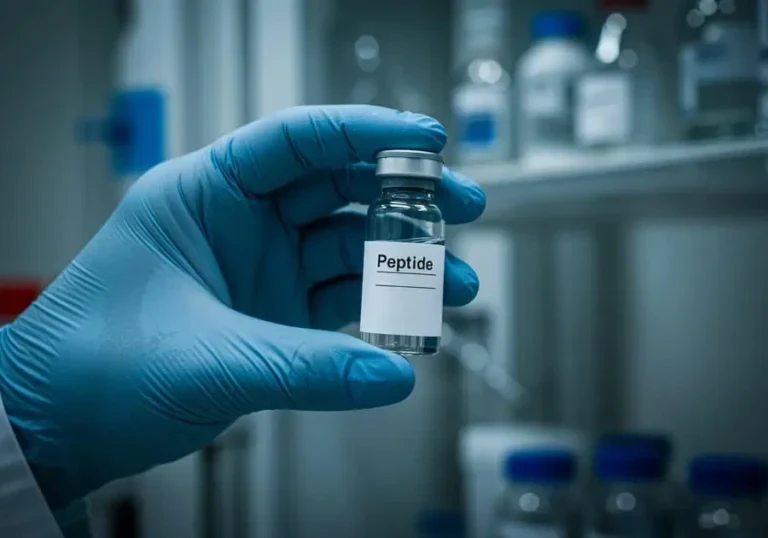
Reputable companies like Peptide Works produce peptides using:
-
advanced lyophilization
-
airtight sterile packaging
-
nitrogen flushing
-
low-moisture vials
-
HPLC and MS verification
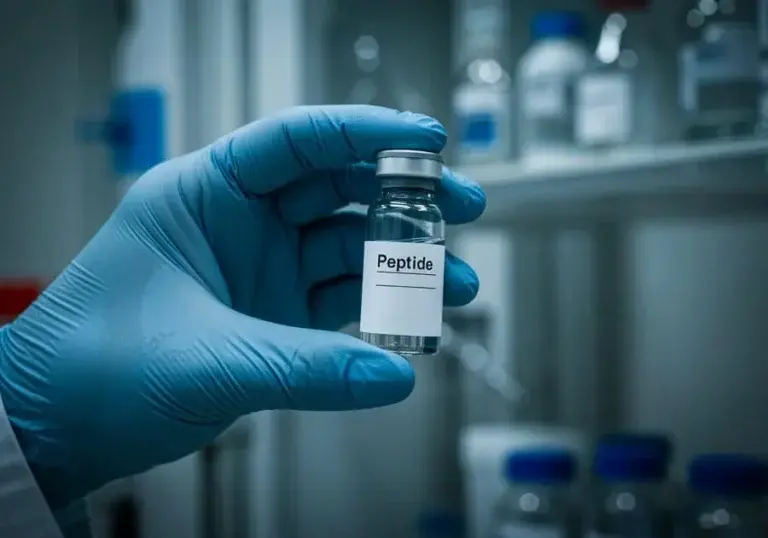
Their peptides remain stable for years when stored properly.
For high-purity peptides, visit:
https://peptide-works.com/
Conclusion: Proper Storage Ensures Long-Term Stability
Peptide stability depends heavily on correct storage. To preserve peptide quality, purity, and activity:
Quick Summary
-
Store lyophilized peptides at –20°C or –80°C
-
Store peptide solutions at –20°C or –80°C
-
Protect from light, moisture, oxygen, and heat
-
Always aliquot to avoid freeze–thaw cycles
-
Follow solvent guidelines for maximum stability
Proper storage ensures accurate research results, reduced experimental error, and cost-effective peptide usage.
Read More
https://justpaste.it/k7z3r