
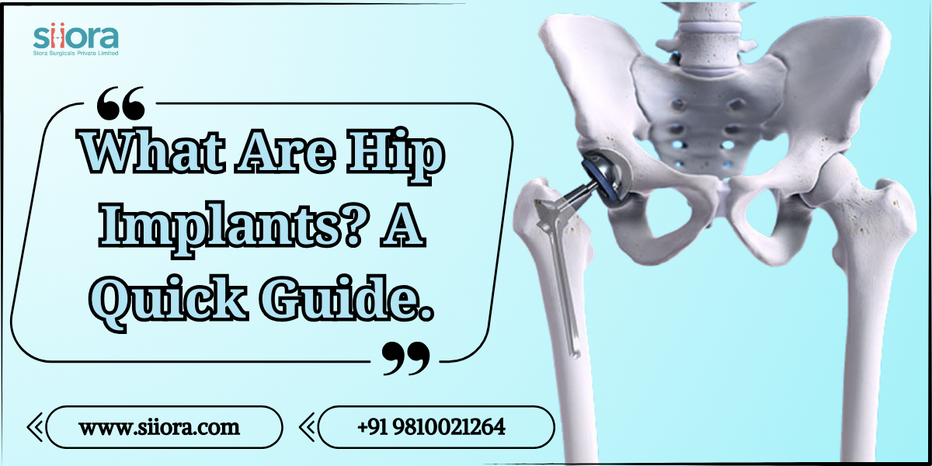
Hip implants are a common surgical solution for individuals suffering from hip joint damage or degeneration. They are designed to replace damaged or worn-out hip joints with artificial components, providing relief from pain, improving mobility, and restoring quality of life. Hip bipolar prosthesis is one of the commonly used hip implants.
Understanding Hip Anatomy
The hip joint is a ball-and-socket joint, where the head of the femur (thighbone) fits into the acetabulum (socket) of the pelvis. This structural configuration of the hip joint allows for a wide range of motion.
When Are Hip Implants Necessary?
Several conditions can necessitate hip implant surgery, including:
-
Osteoarthritis: This is the most common cause of hip joint degeneration, characterized by the breakdown of cartilage.
-
Rheumatoid arthritis: This autoimmune disease can lead to inflammation and damage of the hip joint.
-
Hip fractures: Severe hip fractures, especially in older individuals, may require hip replacement surgery.
-
Avascular necrosis: This is the condition when bone tissue dies because of low/disrupted blood supply.
What Are the Types of Hip Implants?
There are two main types of hip implants: total hip replacement (THR) and partial hip replacement (PHR).
-
Total Hip Replacement (THR): In a THR, both the femoral head and the acetabulum are replaced with artificial components. This is the most common type of hip implant surgery.
-
Partial Hip Replacement (PHR): In a PHR, only the damaged femoral head is replaced, while the acetabulum remains intact. This procedure is typically considered for younger patients with less extensive joint damage.
The Hip Implant Procedure
Hip implant surgery is typically performed under general anesthesia. The surgeon makes an incision around the hip joint and removes the damaged bone and cartilage. The artificial components are then implanted in their place. The incision is then closed.
Recovery from Hip Implant Surgery
Recovery time after hip implant surgery varies depending on individual factors, such as age, overall health, and the type of implant used. Most patients can expect to spend several days in the hospital following surgery. Rehabilitation is important for regaining strength and mobility. Physical therapy will help patients learn how to use their new hip joint safely and effectively.
What Are the Risks and Complications Associated with Hip Implant Surgery?
While hip implant surgery is generally safe and effective, there are potential risks and complications associated with the procedure. These may include:
-
Infection: Infection can occur around the implant site, requiring treatment with antibiotics.
-
Dislocation: The hip joint may become dislocated, especially in the early stages of recovery.
-
Loosening: The implant may become loose over time, requiring revision surgery.
-
Blood clots: Blood clots can form in the legs and travel to the lungs, a condition known as pulmonary embolism.
Long-Term Outcomes
Hip implants are typically durable and can last for many years. With proper care and rehabilitation, most patients can expect to enjoy a significant improvement in quality of life after hip implant surgery. However, it is important to follow your surgeon's recommendations for follow-up care and to report any concerning symptoms.
If you are considering hip implant surgery, it is essential to consult with an orthopedic surgeon to discuss your options, the risks and benefits, and the potential outcomes.
To get an international range of hip implants, contact Siora Surgicals Pvt. Ltd., a trustworthy orthopedic manufacturer in India. The company is also looking for distributors of orthopedic implants in Thailand.