
In today’s modern world, obesity has become a significant public health concern. With changing lifestyles, unhealthy diets, and sedentary routines, more and more individuals are struggling with excess body weight. While many are aware of the common health issues associated with obesity—such as diabetes, high blood pressure, and heart disease—one critical, often overlooked danger is its connection to gallstones and the potential development of gallbladder cancer.
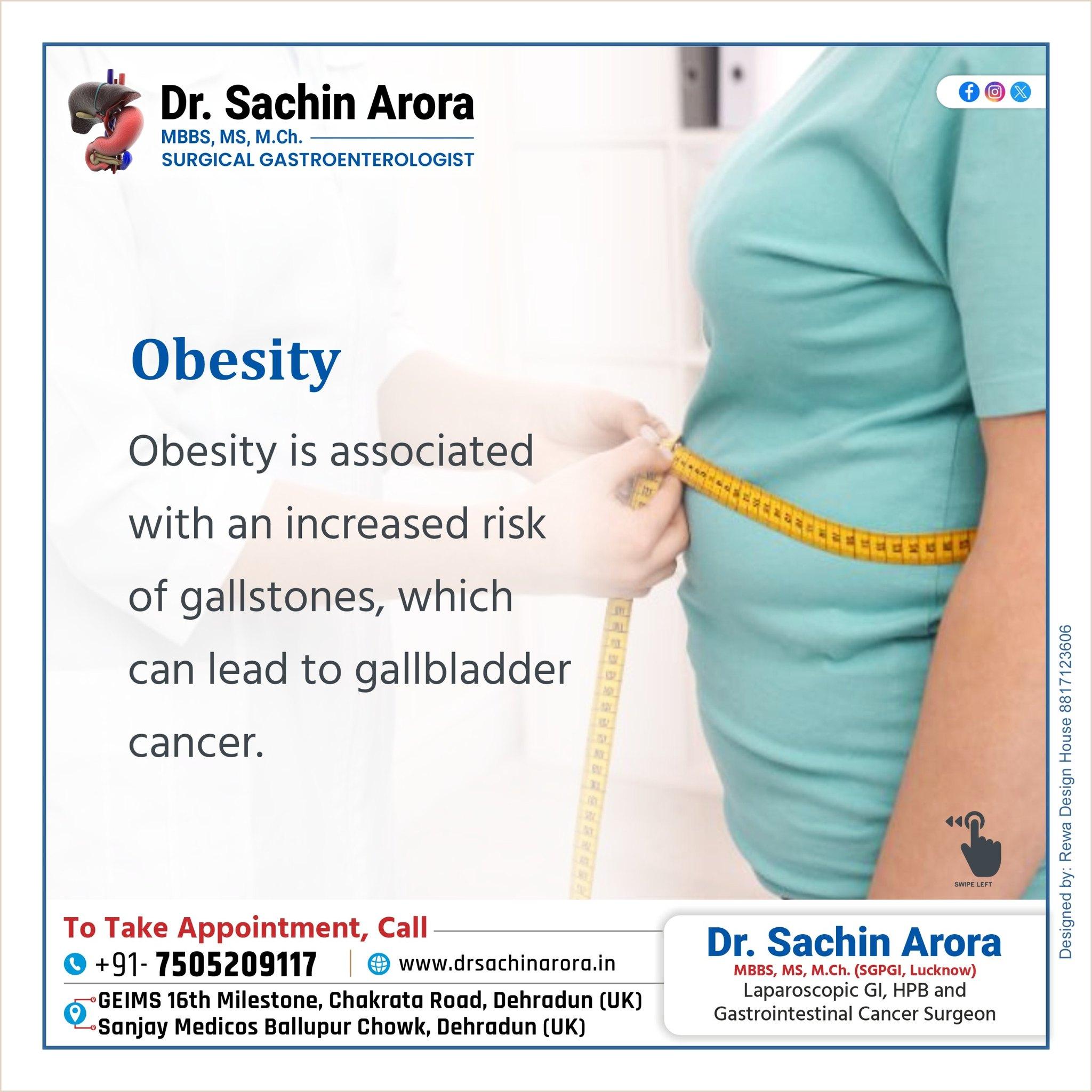
What is Obesity?
Obesity is defined as excessive fat accumulation that presents a risk to health. It is typically measured using the Body Mass Index (BMI), where a BMI of 30 or higher is considered obese. This condition doesn't just affect appearance or physical mobility—it also disrupts the normal functioning of internal organs and significantly increases the risk of various diseases.
Gallstones: A Hidden Risk of Obesity
Gallstones are hardened deposits of digestive fluid that form in the gallbladder, a small organ located beneath the liver. While these stones are usually made of cholesterol, they can vary in size and number. Obesity increases the production of cholesterol in the liver, which in turn raises the likelihood of cholesterol-based gallstones forming.
Why Are Gallstones Dangerous?
- They can block the bile ducts, causing severe pain (known as biliary colic).
- Gallstones may lead to inflammation of the gallbladder (cholecystitis).
- In chronic cases, they can damage the gallbladder lining and lead to complications.
Gallstones and Gallbladder Cancer: The Connection
Long-term gallstones are a known risk factor for gallbladder cancer. When gallstones persist over time, they cause repeated inflammation of the gallbladder, leading to changes in its lining and structure. This chronic irritation can increase the chances of cellular changes that develop into cancer.
Gallbladder Cancer:
Gallbladder cancer is relatively rare, but it is aggressive and often detected late, making it more difficult to treat. Symptoms are usually vague in the early stages and may include:
- Abdominal pain (especially in the upper right side)
- Nausea or vomiting
- Jaundice (yellowing of the skin and eyes)
- Unintended weight loss
Early diagnosis and preventive measures are crucial.
Prevention and Management
Dr. Sachin Arora, a reputed Surgical Gastroenterologist and expert in Laparoscopic GI, HPB, and Gastrointestinal Cancer Surgery, emphasizes the importance of preventive healthcare. Managing obesity is one of the most effective ways to lower the risk of gallstones and gallbladder cancer.
Steps to Reduce Risk:
- Maintain a Healthy Weight: Aim for gradual weight loss through a balanced diet and regular physical activity.
- Eat a High-Fiber, Low-Fat Diet: Include plenty of fruits, vegetables, and whole grains while avoiding trans fats and processed foods.
- Stay Active: Exercise regularly to help regulate cholesterol and boost digestion.
- Avoid Crash Diets: Sudden and extreme weight loss can actually increase the risk of gallstones.
When to See a Specialist?
If you experience persistent digestive discomfort, abdominal pain, or symptoms like jaundice, it’s time to consult a specialist. Dr. Sachin Arora offers expert care in surgical gastroenterology and cancer treatment, using advanced laparoscopic techniques for minimal invasiveness and faster recovery.
📍 Clinic Address:
📞 For Appointment, Call: +91-7505209117
🌐 Website: https://drsachinarora.in/
Conclusion
Obesity is not just a lifestyle concern—it’s a gateway to several serious health conditions, including gallstones and gallbladder cancer. By understanding the risks and taking proactive steps, you can protect your health and well-being. Early detection, proper medical guidance, and consistent lifestyle changes can make all the difference.
If you're struggling with obesity-related digestive issues, don’t wait. Seek expert consultation and start your journey toward a healthier life.