
Fire alarm systems play a crucial role in safeguarding both lives and property by providing early detection and alert during fire emergencies. Whether in homes, offices, factories, or public spaces, these systems act as the first line of defense against the devastating impact of fire. Understanding how fire alarm systems work and why they are essential can help individuals and organizations make informed decisions about fire safety.
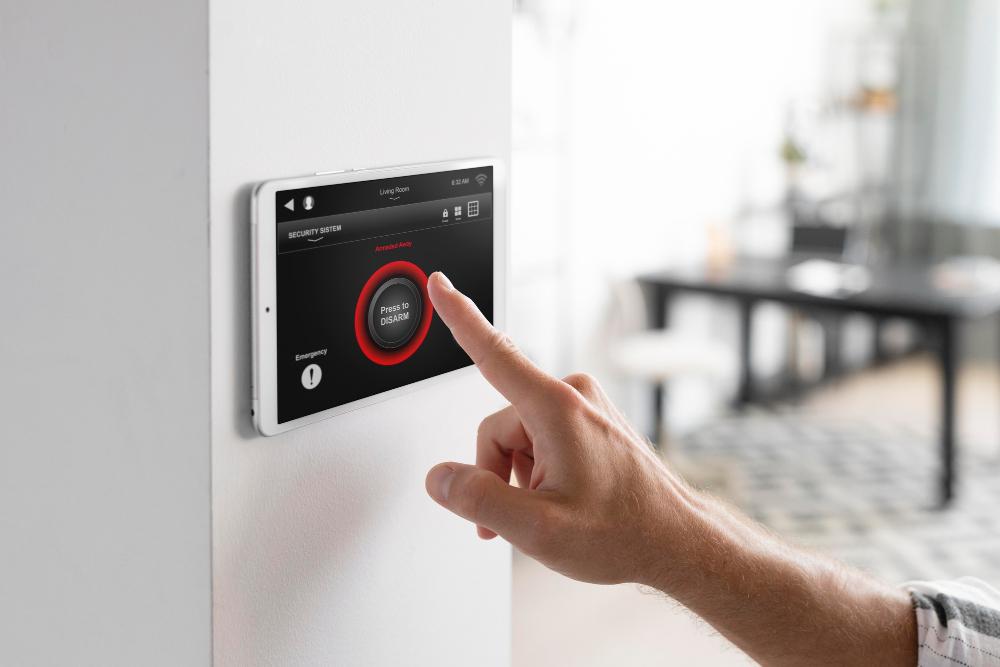
Fire alarm systems play a crucial role in safeguarding both lives and property by providing early detection and alert during fire emergencies. Whether in homes, offices, factories, or public spaces, these systems act as the first line of defense against the devastating impact of fire. Understanding how fire alarm systems work and why they are essential can help individuals and organizations make informed decisions about fire safety.
What Is a Fire Alarm System?
A fire alarm system is a network of devices that detect fire, smoke, heat, or gas and alert occupants through audio and visual warnings such as sirens, bells, or flashing lights. These systems are designed to detect the presence of fire early enough to allow safe evacuation and prompt emergency response.
Key Components of Fire Alarm Systems
Control Panel: This is the brain of the system, monitoring inputs and controlling outputs. It receives signals from sensors and initiates alarms or emergency procedures.
Smoke and Heat Detectors: These sensors detect the presence of smoke or a rapid rise in temperature, which can be indicators of fire. Smoke detectors may use ionization, photoelectric, or dual-sensor technology.
Manual Pull Stations: These allow building occupants to trigger the alarm system in case of an emergency manually.
Notification Devices: Alarms, sirens, strobe lights, and voice evacuation systems alert people in and around the building.
Power Supplies: Fire alarm systems require a reliable power source, often backed up by batteries or generators, to function during outages.
Communication Interfaces: Modern systems can send alerts to emergency services or facility managers through phone lines, internet connections, or cellular networks.
Types of Fire Alarm Systems
Conventional Systems: These systems are suitable for smaller buildings. They divide the premises into zones. When an alarm is triggered, the control panel shows which zone the fire is in.
Addressable Systems: Ideal for larger buildings, these systems allow each device to have a unique address. They offer more detailed information, such as the exact location of the activated device.
Wireless Systems: These are ideal for buildings where wiring is impractical. They use radio frequency to communicate between devices and the control panel.
Hybrid Systems: A combination of wired and wireless components, offering flexibility and reliability.
Benefits of Fire Alarm Systems
Early Detection: The faster a fire is detected, the quicker the response can be, reducing damage and increasing safety.
Life Safety: Alarm systems alert occupants, giving them the chance to evacuate safely before conditions become life-threatening.
Property Protection: Early detection helps reduce fire spread, lowering the potential for structural damage and loss of valuable assets.
Code Compliance: Many local and national fire codes require functioning fire alarm systems in commercial and multi-residential buildings.
Conclusion
Investing in high-quality fire alarm systems is not just about meeting regulatory requirements—it's about saving lives and minimizing risk. From residential homes to large commercial complexes, having a reliable fire alarm system in place is a fundamental aspect of safety planning. As technology continues to evolve, modern fire alarm systems are becoming more intelligent, interconnected, and efficient—making them a smart and essential component of any comprehensive safety strategy.