
Introduction
Kratom, a tropical tree native to Southeast Asia, has been used for centuries for its stimulating and pain-relieving properties. With increasing global interest, users now have access to various strains and blends, each offering unique effects. This article delves into whether Kratom blends are more effective than single strains, providing a comprehensive overview of the topic.
Understanding Kratom
What is Kratom?
Kratom, scientifically known as Mitragyna speciosa, is an evergreen tree in the coffee family. Its leaves contain compounds that can have mind-altering effects, making it popular for both recreational and medicinal use.
Origins and History
Kratom has a long history of use in Southeast Asia, particularly in countries like Thailand, Indonesia, Malaysia, and Papua New Guinea. Traditionally, it was used by laborers to combat fatigue and by communities for various ailments.
How Kratom Works in the Body
The active compounds in Kratom, primarily mitragynine and 7-hydroxymitragynine, interact with opioid receptors in the brain. This interaction can result in pain relief, euphoria, and increased energy, depending on the dosage and strain.
Types of Kratom Strains
Red Vein Kratom
Known for its calming and pain-relieving properties, Red Vein Kratom is often used to alleviate pain and induce relaxation. It is typically recommended for evening use.
Green Vein Kratom
Green Vein Kratom strikes a balance between energy and pain relief. It is favored by those looking for mild stimulation and moderate pain relief without drowsiness.
White Vein Kratom
White Vein Kratom is popular for its stimulating effects. Users often choose it for increased focus, energy, and mood enhancement, making it a suitable choice for daytime use.
Single Strain Kratom
Definition
Single strain Kratom refers to products made from one specific type of Kratom leaf. Each strain offers distinct effects based on its alkaloid profile.
Popular Single Strains
Some well-known single strains include Maeng Da, Bali, Borneo, and Thai Kratom. Each strain has unique characteristics and benefits, appealing to different user needs.
Pros and Cons of Single Strains
Pros:
- Predictable effects
- Easier to dose and manage
- Ideal for specific needs (e.g., pain relief, energy boost)
Cons:
- Limited to the benefits of one strain
- May not offer a comprehensive solution for users with multiple needs
Kratom Blends
What Are Kratom Blends?
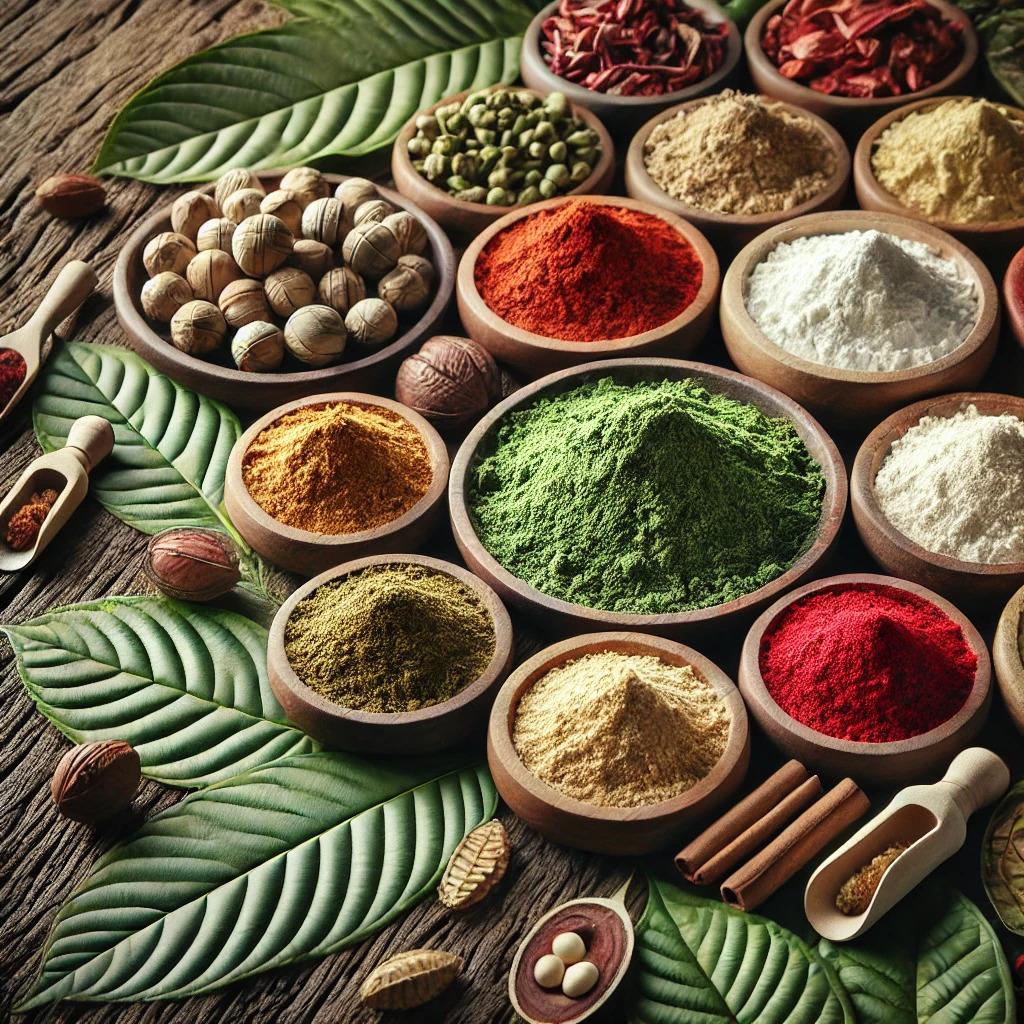
Kratom blends combine different strains to create a product with a broader range of effects. Blends can be tailored to provide specific benefits, such as enhanced pain relief or balanced energy and relaxation.
Popular Kratom Blends
Examples of popular blends include "Trainwreck," which combines multiple strains for a well-rounded experience, and custom blends created by vendors to target specific effects.
Reasons for Blending Strains
Blending strains allows users to enjoy the synergistic benefits of multiple alkaloid profiles. This can result in more comprehensive effects, such as combining the pain relief of Red Vein with the energy boost of White Vein.
Comparative Effectiveness
Benefits of Single Strains
Single strains are straightforward and reliable. Users can expect consistent effects and can easily adjust dosages to meet their needs.
Benefits of Blends
Blends offer versatility and a more nuanced experience. They can address multiple needs simultaneously, such as providing both pain relief and energy.
Situations for Optimal Use
Single strains are ideal for users with specific needs, while blends are better suited for those seeking a broader range of effects. For example, a user needing strong pain relief might choose Red Vein, whereas someone looking for both pain relief and energy might opt for a blend.
User Experiences
Testimonials and Reviews
Many users report positive experiences with both single strains and blends. Testimonials often highlight the reliability of single strains and the versatility of blends.
Common Preferences
Preferences vary widely among users. Some prefer the predictability of single strains, while others appreciate the comprehensive effects of blends.
Anecdotal Evidence
Anecdotal evidence suggests that blends may be more effective for users with multiple needs, while single strains are preferred for targeted effects.
Scientific Perspective
Studies on Kratom Strains
Research on Kratom is still in its early stages. Studies have primarily focused on individual strains and their effects, with limited research on blends.
Research on Blends
There is a growing interest in studying Kratom blends. Early findings suggest that blends could offer enhanced benefits due to the combined effects of different alkaloids.
Expert Opinions
Experts are divided on the effectiveness of blends versus single strains. Some believe blends offer superior benefits, while others advocate for the simplicity and reliability of single strains.
Health and Safety
Potential Side Effects
Both single strains and blends can cause side effects, such as nausea, dizziness, and constipation. It's important to use Kratom responsibly and in moderation.
Safe Usage Guidelines
Users should start with a low dose and gradually increase as needed. It's also crucial to avoid mixing Kratom with other substances, especially alcohol and opioids.
Interactions with Other Substances
Kratom can interact with other medications and substances, potentially leading to adverse effects. Consulting a healthcare provider before using Kratom is advisable.
Legal Status of Kratom
Global Legal Overview
Kratom's legal status varies worldwide. It is legal in some countries, restricted in others, and banned in a few.
Recent Changes in Legislation
Several countries and states have updated their Kratom laws in recent years. These changes often reflect growing recognition of Kratom's benefits and risks.
Future of Kratom Legality
The future of Kratom's legal status remains uncertain. Ongoing research and advocacy efforts will likely influence future legislation.
Purchasing Kratom
Reliable Sources
It's essential to buy Kratom from reputable vendors. Look for companies that provide lab testing and transparent sourcing information.
Online vs. Local Vendors
Both online and local vendors have pros and cons. Online vendors often offer a wider selection and better prices, while local vendors provide immediate availability.
Ensuring Product Quality
Quality assurance is crucial. Ensure that Kratom products are tested for purity and contaminants, and avoid vendors with inconsistent or unclear quality control practices.
Preparing and Using Kratom
Traditional Methods
Traditional methods of using Kratom include chewing the fresh leaves or brewing them into a tea.
Modern Techniques
Modern users often prefer capsules, tinctures, or powdered Kratom mixed with beverages. These methods offer convenience and dosage control.
Tips for Effective Use
For best results, use Kratom on an empty stomach, start with a low dose, and avoid using it daily to prevent tolerance.
Kratom and Wellness
Role in Pain Management
Kratom is widely used for pain management. Its analgesic properties make it a popular alternative to traditional painkillers.
Impact on Mental Health
Some users report that Kratom helps with anxiety and depression. However, more research is needed to understand its effects on mental health fully.
Kratom in Fitness and Recovery
Athletes and fitness enthusiasts use Kratom for its energy-boosting and pain-relieving effects, aiding in recovery and performance.
Myths and Misconceptions
Common Myths
There are many myths about Kratom, such as it being highly addictive or dangerous. These misconceptions often stem from misinformation.
Debunking False Information
Scientific research and user testimonials can help debunk these myths, providing a clearer understanding of Kratom's benefits and risks.
Clarifying Misunderstandings
Educating the public about Kratom is crucial. Clear and accurate information can help users make informed decisions.
Economic Impact
Kratom Industry Overview
The Kratom industry has grown significantly, with increasing demand worldwide. This growth has created economic opportunities and challenges.
Market Trends
Trends in the Kratom market include the rise of premium products, increased regulation, and greater consumer awareness.
Economic Benefits
Kratom cultivation and sales provide income for farmers and vendors, particularly in Southeast Asia. This economic impact extends to local communities and economies.
Environmental Impact
Sustainable Farming Practices
Sustainable farming practices are essential for maintaining Kratom's availability and environmental health. These practices include organic farming and protecting natural habitats.
Ecological Concerns
Over-harvesting and deforestation are significant concerns. Sustainable practices can help mitigate these issues.
Future of Kratom Cultivation
The future of Kratom cultivation depends on balancing demand with environmental conservation. Sustainable practices and regulatory measures will play a critical role.
Cultural Significance
Traditional Uses in Southeast Asia
Kratom has been used traditionally in Southeast Asia for centuries. It holds cultural and medicinal significance in many communities.
Kratom in Western Culture
In the West, Kratom is primarily used for its therapeutic benefits. Its popularity continues to grow as more people discover its effects.
Societal Perceptions
Societal perceptions of Kratom vary. While some view it as a valuable natural remedy, others are concerned about its potential risks.
Future of Kratom
Innovations in Kratom Products
Innovations in Kratom products include enhanced extracts, new blends, and alternative delivery methods, expanding the options for users.
Potential Medical Applications
There is growing interest in Kratom's potential medical applications, such as in pain management and addiction treatment.
Predicted Trends
Future trends may include increased regulation, more scientific research, and greater acceptance of Kratom as a therapeutic substance.
FAQs on Kratom Blends vs. Single Strains
Q. Are Kratom blends more potent than single strains?
A. Blends can offer more potent effects by combining the strengths of different strains, but potency varies based on the blend's composition.
Q. Can beginners use Kratom blends?
A. Beginners can use Kratom blends, but starting with a single strain is often recommended to understand its effects before experimenting with blends.
Q. Are there any risks associated with Kratom blends?
A. Blends carry similar risks to single strains, including side effects and interactions with other substances. It's essential to use them responsibly.
Q. How do I choose between a blend and a single strain?
A. Choosing depends on your needs. If you have specific goals, a single strain might be best. For broader effects, a blend could be more suitable.
Q. Do blends cost more than single strains?
A. Blends can be more expensive due to the complexity of mixing strains and ensuring quality. However, the price varies by vendor and product.
Q. Is there scientific evidence supporting the use of Kratom blends?
A. Research on Kratom blends is limited but growing. Initial findings suggest blends can offer enhanced benefits due to the combined effects of multiple strains.
Conclusion
Kratom blends and single strains each have unique benefits and drawbacks. Single strains offer predictability and targeted effects, while blends provide a comprehensive and versatile experience. Ultimately, the choice depends on individual preferences and needs. As research progresses, we may gain a clearer understanding of the comparative effectiveness of Kratom blends and single strains.