
Introduction
The decision to undergo ocular surgery—whether to correct refractive errors like nearsightedness or to treat degenerative conditions—is a profound step toward enhancing your quality of life. Because your vision is irreplaceable, the environment, technology, and expertise behind your procedure must be of the highest caliber. With the global ophthalmology sector advancing at an incredible pace, patients now have more choices than ever. However, this abundance of options makes the process of vetting institutions and specialists more critical than ever.
This guide provides a clinical framework for navigating the world of high-end eye care, helping you move past marketing hype to identify centers of true excellence.
The Value of Dedicated Ophthalmology Centers
When searching for medical care, many patients default to large, general-purpose hospitals. While these facilities are excellent for emergency care, ophthalmology requires a specific, controlled environment. Dedicated eye hospitals are engineered from the ground up for the nuances of microscopic eye surgery.
Why Specialization is the Gold Standard
-
Precision-Engineered Environments: Dedicated centers use operating theaters designed specifically for ocular microsurgery, where air quality, temperature, and sterility are optimized to prevent even microscopic contamination.
-
Technological Alignment: In these centers, the diagnostic equipment (such as OCT scanners and corneal topographers) is seamlessly integrated with the surgical platforms, ensuring that the surgeon operates on highly accurate, real-time data.
-
Specialized Support Staff: The nurses and technicians in a dedicated eye hospital deal exclusively with ocular health, providing a level of post-operative care and patient education that general staff may not be equipped to offer.
Identifying Quality Indicators in Eye Care
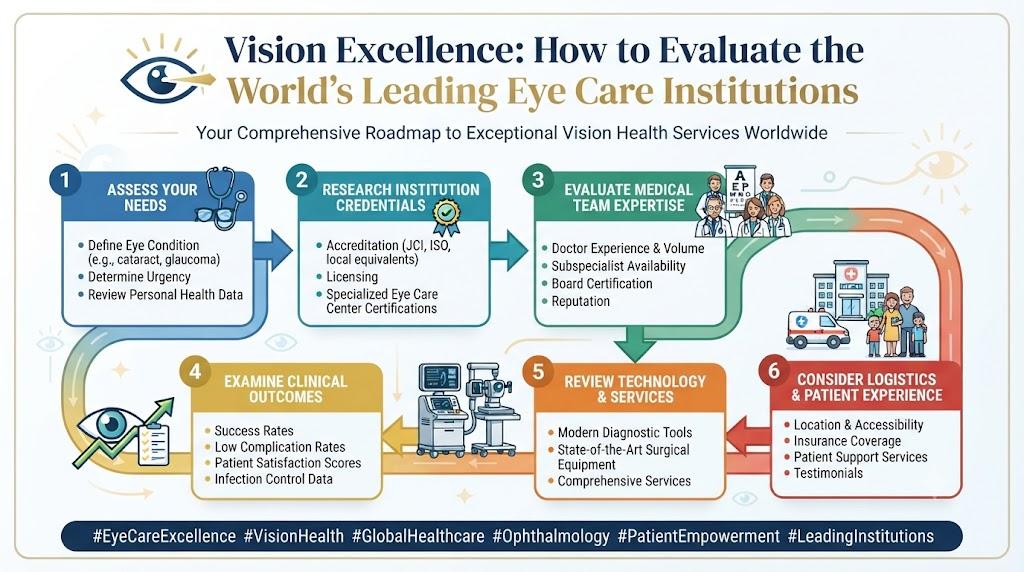
How can a patient distinguish a top-tier facility from a standard clinic? The answer lies in looking for evidence of high-volume specialization and continuous investment in diagnostic capabilities.
Key Factors for Evaluating a Facility
-
Surgical Volume: Institutions that perform a high volume of a specific procedure (like cataract removal) generally show greater consistency in outcomes.
-
Sub-Specialty Depth: Look for hospitals that have distinct departments for different ocular needs—such as a dedicated retina team, a glaucoma service, and a corneal transplant unit.
-
Evidence-Based Protocols: A top-tier hospital will prioritize conservative, evidence-based treatment plans rather than pushing for unnecessary or overly aggressive surgical interventions.
Navigating the Economics of Modern Eye Surgery
The cost of eye care is rarely a flat rate. Because ophthalmology is heavily driven by technology and high-quality consumables (such as synthetic lenses or precision lasers), pricing can fluctuate based on the specific "pathway" chosen for your treatment.
Understanding Price Variations
-
Technology Levels: Is the facility using the latest bladeless laser technology or traditional manual methods? Laser-assisted procedures typically carry a higher cost due to the complexity and expense of the equipment.
-
Customization: Advanced diagnostics that map the eye to a microscopic level allow for "custom" surgery. This level of personalization often increases the price but can provide superior visual outcomes.
-
Implant Quality: In cataract surgery, the type of lens chosen (e.g., monofocal vs. trifocal) significantly impacts the final cost and the patient’s ability to function without glasses afterward.
Essential Procedures: A Patient’s Overview
Understanding the goal of your procedure is the first step toward a successful recovery.
Cataract Correction: From Restoration to Refraction
Modern cataract surgery is no longer just about restoring basic sight; it is a refractive procedure. Patients now have the opportunity to eliminate astigmatism or presbyopia (the need for reading glasses) during the same operation that removes the cataract.
Refractive Surgery: The Modern Standard
LASIK and its variants are now highly refined, utilizing wavefront-guided technology to address subtle irregularities in the eye's surface. This leads to clearer, crisper vision and often reduces symptoms like glare or halos that were more common with older generations of laser surgery.
A Strategic Framework for Selecting Your Specialist
To find a surgeon who matches your clinical needs, follow this evidence-based selection process:
-
Identify Your Diagnosis: Have a clear understanding of your condition before you start calling clinics.
-
Audit the Surgeon's Fellowship: A surgeon’s general experience is useful, but fellowship training in a sub-specialty (like corneal or retinal diseases) indicates a much deeper level of expertise.
-
Request a Surgical Plan: A reputable center should provide a clear, written plan that outlines the procedure, the technology being used, and the expected recovery timeline.
-
Prioritize Follow-up Continuity: Ensure the facility has a long-term plan for your post-operative follow-up, especially if you are traveling for your surgery.
Frequently Asked Questions (FAQ)
What is the difference between a general ophthalmologist and a sub-specialist? A general ophthalmologist handles routine eye care and common surgeries, while a sub-specialist has completed extra years of intensive training to handle complex conditions like detached retinas or advanced glaucoma.
Is travel for eye surgery recommended? Yes, if you reside in an area with limited access to specialized technology. Just ensure your surgical timeline allows for proper post-operative follow-up.
What should I ask during a pre-surgical consultation? Focus on: "How many times have you performed this specific procedure?" and "What is the primary risk factor for my specific eye anatomy?"
Why do prices differ for the same procedure at different clinics? Pricing reflects the quality of the technology, the experience of the surgical team, and the depth of the diagnostic testing performed prior to surgery.
How soon after surgery will I see results? For many procedures, vision begins to clear within hours, but stabilization of your final vision can take several weeks or months depending on the surgery.
Taking Control of Your Vision Outcomes
Selecting the right partner for your eye care is one of the most important health decisions you will make. By focusing on objective markers—such as the level of sub-specialization, the modernity of the surgical platforms, and the clarity of the pre-surgical consultation—you shift from being a passive recipient of care to an informed, active participant in your healing. Always prioritize long-term safety and the reputation of the clinical team over temporary convenience, ensuring that your vision is protected by the most capable hands available.