
In today’s competitive agro-processing and biomass industries, efficient waste utilization plays a crucial role in improving profitability and sustainability. Groundnut shells, once considered agricultural waste, are now widely used as biomass fuel, raw material for briquetting and pelleting, animal bedding, and composting. To process these shells effectively, selecting the right Groundnut Shell Grinder is essential.
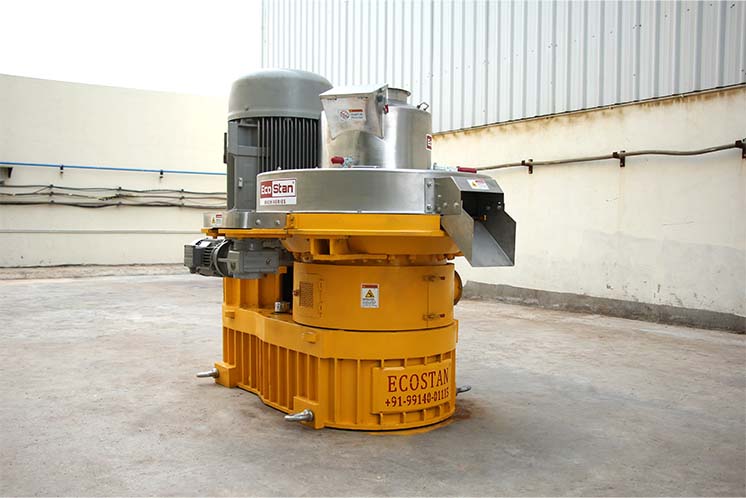
Choosing the wrong machine can lead to poor output quality, frequent breakdowns, high energy consumption, and increased operational costs. On the other hand, the right grinder ensures consistent particle size, smooth operation, and long-term reliability. This guide will walk you through all the key factors you should consider when choosing a Groundnut Shell Grinder for your plant.
1. Understand Your Application Requirements
Before evaluating machine specifications, clearly define how you plan to use the groundnut shell powder or crushed material.
Common applications include:
-
Biomass briquetting or pellet production
-
Direct combustion as fuel
-
Animal bedding
-
Composting or soil conditioning
-
Particleboard or other industrial uses
Each application may require a different output size and processing capacity. For example, briquetting and pelleting require finer and more uniform particle sizes compared to direct combustion. Understanding your end-use helps narrow down the type of grinder and screen configuration needed.
2. Determine Required Capacity
Capacity is one of the most important selection criteria. Groundnut shell grinders are available in a wide range of capacities, from small-scale units producing a few hundred kilograms per hour to industrial machines handling several tons per hour.
Consider the following when estimating capacity:
-
Daily production target
-
Number of operating hours per day
-
Future expansion plans
-
Availability of raw material
Choosing a grinder that matches both your current and future needs avoids underutilization or bottlenecks. Slightly oversizing the machine is often a smart decision if expansion is expected.
3. Evaluate Raw Material Characteristics
Not all groundnut shells are the same. Their moisture content, hardness, size, and cleanliness can vary depending on source and storage conditions.
Important factors to assess:
-
Moisture content (ideal range is usually below 12–15%)
-
Presence of stones, metal, or other contaminants
-
Shell thickness and density
If your raw material has higher moisture or impurities, you may need a more robust grinder and possibly pre-processing equipment such as a dryer or magnetic separator.
4. Choose the Right Grinding Mechanism
Most Groundnut Shell Grinder machines use hammer mill technology, where high-speed rotating hammers strike the material and force it through a perforated screen.
Key aspects to examine:
-
Hammer design and thickness
-
Rotor speed
-
Number of hammers
-
Screen size options
A well-designed grinding mechanism ensures uniform particle size, higher throughput, and lower wear. Machines with easily replaceable hammers and screens reduce maintenance downtime.
5. Power Requirement and Energy Efficiency
Power consumption directly affects your operating costs. While higher-capacity machines naturally require more power, an efficient design can significantly reduce energy usage per ton of material processed.
When comparing models:
-
Check motor rating (HP or kW)
-
Compare output-to-power ratio
-
Ask about average energy consumption per ton
An energy-efficient Groundnut Shell Grinder lowers electricity bills and improves overall profitability.
6. Build Quality and Durability
Grinding groundnut shells is a continuous and abrasive process. The machine must be built from high-quality materials to withstand long operating hours.
Look for:
-
Heavy-duty steel construction
-
Hardened hammers and liners
-
Strong bearings and shafts
-
Robust frame design
A durable machine may cost more initially but saves significantly on maintenance and replacement costs over its lifetime.
7. Ease of Operation and Maintenance
User-friendly design improves productivity and reduces dependence on highly skilled operators.
Important features include:
-
Simple control panel
-
Easy access to hammers and screens
-
Quick screen changing mechanism
-
Clear maintenance instructions
Machines that are easy to clean and service minimize downtime and keep production running smoothly.
8. Safety Features
Safety should never be compromised. Grinding machines operate at high speed and involve heavy moving parts.
Ensure the grinder includes:
-
Protective covers and guards
-
Emergency stop button
-
Overload protection
-
Proper electrical safety systems
Compliance with industrial safety standards protects operators and prevents accidents.
9. Compatibility with Other Equipment
In most plants, the Groundnut Shell Grinder is part of a larger production line, such as a briquetting or pelleting system.
Check compatibility with:
-
Conveyors
-
Dryers
-
Cyclone separators
-
Briquetting or pellet machines
Seamless integration improves workflow efficiency and reduces material handling costs.
10. Output Particle Size Control
Different applications require different particle sizes. A good grinder should allow flexibility through interchangeable screens or adjustable settings.
For example:
-
Fine powder for pelletizing
-
Medium-sized particles for briquetting
-
Coarse material for direct combustion
Having multiple screen options increases the versatility of your grinder and allows you to serve multiple markets.
11. Noise and Dust Control
Grinding operations can generate noise and dust, which affect worker comfort and environmental compliance.
Look for machines with:
-
Balanced rotor design for low vibration
-
Optional dust collection or cyclone systems
-
Enclosures or noise-reducing features
Better dust control also improves product quality and keeps the plant cleaner.
12. After-Sales Support and Spare Parts Availability
Even the best machines require maintenance and occasional part replacement. Reliable after-sales support is critical.
Consider:
-
Availability of local service technicians
-
Spare parts stock and delivery time
-
Warranty terms
-
Technical training or documentation
Strong after-sales service ensures uninterrupted production and peace of mind.
13. Cost vs. Value
While price is an important factor, it should not be the only deciding criterion. A low-cost grinder with poor build quality and high maintenance needs may end up costing more in the long run.
Focus on overall value, including:
-
Performance
-
Durability
-
Energy efficiency
-
Service support
Investing in a high-quality Groundnut Shell Grinder delivers better returns over time.
14. Check Manufacturer Reputation
Choosing a reputable manufacturer reduces risk. Established manufacturers usually offer proven designs, quality assurance, and dependable service.
Look for:
-
Industry experience
-
Customer reviews or testimonials
-
Certifications
-
Case studies or installations
A trusted manufacturer is more likely to stand behind their product.
15. Request Demonstration or Trial
If possible, ask for a live demonstration or test run using your own raw material. This allows you to evaluate:
-
Output quality
-
Actual capacity
-
Power consumption
-
Ease of operation
Seeing the machine in action provides confidence in your purchasing decision.
Conclusion
Selecting the right Groundnut Shell Grinder is a strategic decision that directly impacts your plant’s efficiency, product quality, and profitability. By carefully evaluating your application, capacity needs, raw material characteristics, machine design, energy efficiency, and manufacturer support, you can choose a grinder that delivers long-term value and reliable performance.
Ecostan Machines is a globally recognized manufacturer specializing in biomass processing and size-reduction equipment. With a strong focus on innovation, quality engineering, and customer satisfaction, Ecostan Machines offers robust and efficient grinding solutions designed to meet diverse industrial needs. Their advanced manufacturing practices and dependable after-sales support make them a trusted partner for businesses seeking high-performance grinding and biomass processing machinery.