
Persistent ear infections, fluid behind the eardrum, blocked ears and hearing difficulties can affect children and adults. When fluid remains trapped in the middle ear or ear infections continue to recur despite appropriate medical treatment, an ear specialist may recommend ventilation tube placement. Ear tube surgery in Mumbai is a minimally invasive procedure in which a tiny tube, commonly called a grommet or ventilation tube, is placed through the eardrum to improve middle-ear ventilation and help prevent fluid from building up again.
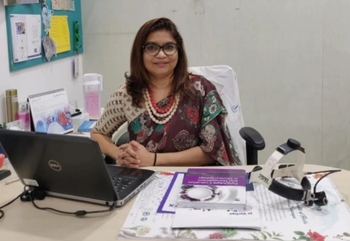
Dr. Shama Kovale, Senior Consultant at Kokilaben Dhirubhai Ambani Hospital, has over 23 years of clinical and surgical experience in ENT care. Her areas of expertise include ear disorders, pediatric ENT, cochlear implants and endoscopic ENT surgeries. She provides individualized assessment to determine whether ventilation tube placement is appropriate for a patient.
What Is Ear Tube Surgery in Mumbai?
Ear tube surgery, also known as grommet insertion or ventilation tube placement, involves placing a small tube into the eardrum. The tube creates an alternative pathway for air to enter the middle ear and helps prevent the accumulation of fluid.
The procedure is particularly common in children with persistent middle-ear fluid, recurrent ear infections or hearing difficulties associated with otitis media with effusion. In selected adults, tubes may also be considered for chronic middle-ear problems, Eustachian tube dysfunction or pressure-related ear problems.
The procedure is generally brief and may be performed as a day-care surgery. According to the referenced clinical information, grommet insertion typically takes around 15–30 minutes, with children commonly returning home the same day.
Why Might a Patient Need Ear Tubes?
The Eustachian tube connects the middle ear to the back of the nose and helps regulate pressure and drain fluid. In children, this drainage pathway is smaller and still developing, making them more susceptible to middle-ear fluid and infections.
An ENT specialist may consider ventilation tubes when a patient has:
- Persistent fluid behind the eardrum
- Recurrent middle-ear infections
- Conductive hearing difficulties caused by fluid
- Eustachian tube dysfunction
- Repeated episodes of glue ear
- Hearing-related speech or learning concerns in children
- Certain pressure-related ear problems in adults
Persistent fluid can sometimes occur without obvious pain or fever. A child may instead appear inattentive, ask for repetition, increase the television volume or experience speech and language difficulties. Appropriate hearing and ENT evaluation can help identify whether middle-ear fluid is contributing to these concerns.
How Is the Procedure Performed?
Before surgery, the ENT specialist evaluates the ears and reviews symptoms, infection history and hearing-related concerns. Hearing tests or tympanometry may be recommended depending on the patient’s age and clinical findings.
During grommet insertion, a small opening is made in the eardrum and the ventilation tube is carefully positioned within it. The tube allows air to enter the middle ear and helps fluid drain.
In children, the procedure is commonly performed under general anaesthesia. The referenced procedure information describes it as a short day-care surgery.
In adults, the anaesthesia and surgical setting may vary depending on the clinical situation and the type of ear problem being treated.
Benefits of Ventilation Tube Placement
The primary purpose of a ventilation tube is to improve middle-ear ventilation and reduce persistent fluid accumulation. When hearing loss is caused by middle-ear fluid, clearing that fluid may improve hearing.
Potential benefits include:
- Better middle-ear ventilation
- Reduction in persistent fluid
- Improvement in conductive hearing loss caused by fluid
- Fewer recurrent ear infections in appropriately selected patients
- Better hearing-related communication in children
- Support for speech and learning when hearing has been affected
Grommets can also be used alongside other procedures in selected children. For example, when enlarged adenoids contribute to Eustachian tube obstruction and glue ear, adenoidectomy and grommet insertion may sometimes be performed during the same surgical session.
Ear Tube Surgery in Mumbai: Recovery and Aftercare
Recovery after grommet insertion is generally short, particularly when the procedure is uncomplicated. Most children can return home on the same day. Hearing may improve relatively quickly once middle-ear fluid is adequately managed.
Parents should follow the surgeon’s specific postoperative instructions. These may include monitoring for ear discharge, attending scheduled follow-ups and taking prescribed medication when necessary.
The referenced guidance recommends preventing water from entering the ears for approximately four to six weeks after the procedure, although individual advice may vary depending on the type of tube and the surgeon’s recommendations.
Grommets are temporary. They generally remain in the eardrum for several months before naturally working their way out. The source information indicates that many grommets fall out on their own within approximately 6–12 months.
Are There Any Risks?
Like any surgical procedure, grommet insertion can have potential complications. These may include temporary ear discharge, blockage of the tube, premature extrusion, prolonged perforation of the eardrum or the need for another tube if the underlying problem continues.
Most patients recover without significant complications, but follow-up is important. An ENT specialist can check whether the tube remains appropriately positioned and whether the middle ear is functioning normally.
Parents should seek medical advice if their child develops persistent ear discharge, increasing pain, fever, worsening hearing or other unusual symptoms after surgery.
Why Choose Dr. Shama Kovale?
Dr. Shama Kovale is an experienced ENT surgeon practicing at Kokilaben Dhirubhai Ambani Hospital in Andheri West, Mumbai. She holds an MBBS, DLO and MS in ENT from B.Y.L. Nair Hospital, Mumbai. Her professional training also includes advanced fellowship and specialized training in areas such as voice and swallowing disorders, laryngology and cochlear implantation.
With more than 23 years of clinical and surgical experience, Dr. Shama Kovale treats a broad range of ear, nose and throat conditions. Her areas of expertise include pediatric ENT, ear disorders, cochlear implants, voice and swallowing disorders, airway conditions and endoscopic ENT surgery.
She is also associated with the Voice and Swallowing Centre at Kokilaben Dhirubhai Ambani Hospital. The hospital environment provides access to advanced ENT facilities, including microscopic and endoscopic equipment and audiology services for comprehensive evaluation and treatment.
Patients looking for an ENT Specialist in Mumbai can receive evaluation for common and complex ear, nose and throat conditions, with treatment selected according to individual clinical findings.
When Should You Consult an ENT Specialist?
An ENT consultation may be appropriate when a child experiences repeated ear infections, persistent hearing difficulties, delayed speech associated with suspected hearing loss, or fluid that does not resolve. Adults with chronic ear pressure, persistent middle-ear fluid or Eustachian tube dysfunction may also require specialist assessment.
Ear tube surgery in Mumbai should not be considered solely because of one isolated ear infection. The decision depends on the duration and recurrence of the problem, hearing status, response to medical treatment and overall clinical assessment.
An experienced ENT Doctor in Mumbai can examine the ears, evaluate hearing and determine whether continued observation, medical treatment or a surgical option such as grommet insertion is appropriate.
Book a Consultation With Dr. Shama Kovale
If recurrent ear infections, persistent middle-ear fluid or hearing difficulties are affecting you or your child, specialist evaluation can help identify the underlying cause and appropriate treatment options. Ear tube surgery in Mumbai may be considered when ventilation of the middle ear is needed and conservative treatment has not adequately resolved the problem.
Dr. Shama Kovale provides ENT consultation and surgical care at Kokilaben Dhirubhai Ambani Hospital in Andheri West, Mumbai.
+91 91528 50769
drshamakovaleent@gmail.com
Get Directions to the Clinic – Kokilaben Dhirubhai Ambani Hospital
Frequently Asked Questions
1. What is an ear tube or grommet?
An ear tube, also called a grommet or ventilation tube, is a tiny tube placed through the eardrum to allow air into the middle ear and help prevent fluid from accumulating.
2. Who may need ear tube insertion?
Ear tubes may be recommended for children with persistent middle-ear fluid, recurrent ear infections or hearing problems related to fluid. Selected adults with chronic middle-ear problems or Eustachian tube dysfunction may also benefit.
3. How long do ear tubes stay in place?
Many grommets naturally come out within approximately 6–12 months. The exact duration varies according to the type of tube and individual healing.
4. Is ear tube surgery a day-care procedure?
Yes. Grommet insertion is generally a short procedure, and many children can return home on the same day. The exact anaesthesia and surgical arrangements depend on the patient’s age and clinical circumstances.