
Maintenance welding is a critical aspect of industrial repair and upkeep, ensuring the longevity and performance of essential equipment and infrastructure. Central to the success of any maintenance welding operation is the selection of the appropriate welding electrodes. With a myriad of options available in the market, choosing the right electrodes can seem daunting. However, armed with the right knowledge, you can navigate this process with confidence. In this comprehensive guide, we'll walk you through everything you need to know to select the perfect maintenance welding electrodes for your specific needs.
Understanding Maintenance Welding Electrodes
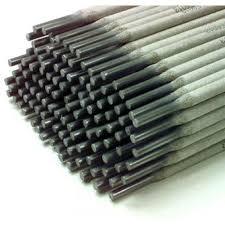
Maintenance welding electrodes are specially designed consumable rods or wires used in various welding processes, including shielded metal arc welding (SMAW), gas metal arc welding (GMAW), and flux-cored arc welding (FCAW). These electrodes are formulated with specific compositions and coatings tailored to address common maintenance welding challenges such as wear, corrosion, and crack repair.
Factors to Consider
- Material Compatibility
The first step in choosing the right maintenance welding electrode is to ensure compatibility with the base metal being welded. Consider factors such as material composition, thickness, and mechanical properties to select an electrode that will provide optimal weld quality and performance.
- Welding Process
Different welding processes require specific types of electrodes. Determine whether you'll be using SMAW, GMAW, FCAW, or another welding process, and choose electrodes that are suitable for that process.
- Application Requirements
Evaluate the specific requirements of your maintenance welding application. Are you repairing a worn-out part, addressing corrosion issues, or performing structural reinforcement? Select electrodes with the appropriate properties, such as hardness, strength, and corrosion resistance, to meet these requirements effectively.
- Operating Conditions
Consider the environmental and operating conditions in which the welding will take place. Factors such as temperature, humidity, and exposure to chemicals or abrasives can impact electrode performance. Choose electrodes that are designed to withstand these conditions for optimal results.
- Manufacturer Reputation
Work with reputable manufacturers known for producing high-quality welding electrodes. Consider factors such as product consistency, reliability, and customer support when selecting a supplier.
Conclusion
Choosing the right maintenance welding electrodes is essential for achieving successful welds and ensuring the long-term integrity of welded components. By considering factors such as material compatibility, welding process, application requirements, operating conditions, and manufacturer reputation, you can make informed decisions that lead to superior welding outcomes. Armed with this comprehensive guide, you can weld with confidence, knowing that you've selected the perfect maintenance welding electrodes for your needs.
Need top-quality? Our range ensures superior repairs and lasting durability. Elevate your welding game today!