
With outdoor living spaces becoming extensions of our homes, the demand for durable, attractive, and easy-to-install decking has never been higher. WPC Tiles Dubai have emerged as a favorite middle-ground option — more premium than cheap plastic grids, more practical than natural wood or ceramic, and far easier than full decking systems.
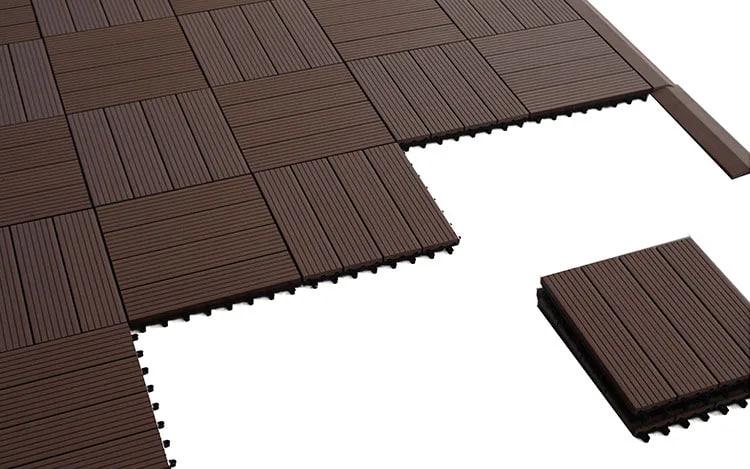
Understanding WPC Tile Construction
Each tile typically consists of:
-
Core — high-density WPC blend (wood flour + recycled plastic) for strength and stability
-
Surface — embossed wood-grain texture + optional protective polymer cap
-
Base — plastic grid or clips with drainage channels underneath to prevent water pooling
-
Edges — interlocking tabs that click securely without visible fasteners
This creates a floating floor system that allows air circulation, reduces heat transfer to the subfloor, and makes removal/repositioning straightforward.
Head-to-Head Comparison (2026 Perspective)
|
Feature |
WPC Interlocking Tiles |
Traditional Wooden Deck Tiles |
Ceramic/Porcelain Outdoor Tiles |
Cheap Plastic Deck Grids |
|
Installation |
DIY snap-together (30–60 min per 10 m²) |
Requires screws + substructure |
Mortar/adhesive + grout |
Easy but flimsy |
|
Durability (years) |
15–25+ |
8–15 (with maintenance) |
20–30+ |
5–10 |
|
Water/Moisture Resistance |
Excellent (no rot) |
Poor–medium |
Excellent |
Good |
|
Heat Build-up |
Medium–high (lighter colors better) |
Medium |
Very high |
Medium |
|
Maintenance |
Hose + sweep |
Annual sealing/staining |
Grout cleaning |
Minimal |
|
Splinter Risk |
None |
High |
None |
None |
|
Slip Resistance (wet) |
Good–very good |
Medium (worse when wet) |
Variable (depends on glaze) |
Good |
|
Eco-Friendliness |
High (recycled content) |
Low–medium |
Medium |
Low |
|
Cost per m² (approx.) |
Mid–high |
Medium–high |
High |
Low |
Top Advantages That Make WPC Tiles Stand Out
-
Removable and reusable — perfect for renters or seasonal use
-
Quick repairs — replace one damaged tile instead of sections
-
Better thermal comfort than stone/concrete tiles
-
Warmer appearance and feel than cold ceramic
-
No visible fixings or messy grout lines
-
Good sound dampening compared to hard surfaces
Real-World Tips for Best Results in Hot Climates
-
Color choice matters — Select ash gray, light teak, or driftwood tones to minimize heat buildup.
-
Underlayment is key — Use a breathable underlay or pedestals on concrete to improve drainage and reduce reflected heat.
-
Edge finishing — Use matching edge trims or ramps for a professional look.
-
Cleaning routine — Pressure wash gently (low PSI) once or twice a year; avoid harsh chemicals.
-
Weight check — Ensure balcony load capacity (most WPC tiles weigh 2–3 kg per tile).
Who Should Choose WPC Tiles?
-
Apartment/condo owners wanting balcony upgrades without permanent changes
-
Villa owners seeking quick patio refresh
-
Pool owners needing safe, non-slip surrounds
-
Anyone wanting wood aesthetics with plastic-level durability
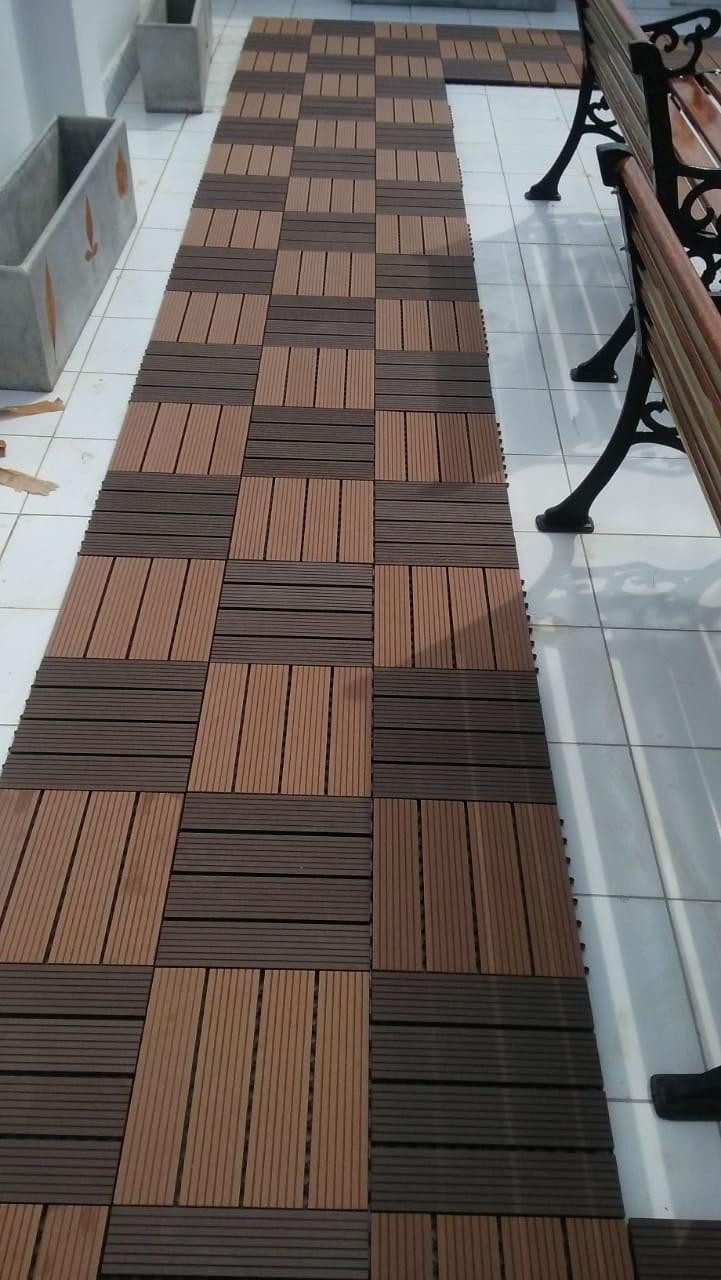
In 2026, WPC Tiles Dubai represent one of the smartest compromises for outdoor flooring: beautiful, practical, eco-friendlier than pure plastic, and dramatically lower-maintenance than real wood. If you're planning a balcony refresh, rooftop upgrade, or garden makeover this year, these modular composite tiles deserve serious consideration.