
The difference between hemp extracts and recreational dispensaries is not just where the product is sold. It is how the product is regulated, tested, labeled, and verified before it reaches the buyer. For San Bernardino shoppers, that difference can decide whether a product is traceable cannabis or a loosely understood hemp item with limited retail accountability.
The first difference is the retail system behind the product
Hemp extracts and dispensary cannabis may come from the same plant family, but they do not move through the same retail pathway.
Hemp extracts usually refer to products made from industrial hemp, often marketed around CBD or non-intoxicating cannabinoids. Recreational dispensaries sell state-regulated cannabis products through licensed retail channels. In California, adults 21 and older can buy adult-use cannabis, while adults 18 and older need a physician’s recommendation for medicinal cannabis access. Cities and counties may also set stricter local rules.
The biggest consumer takeaway is simple: licensed dispensaries operate inside California’s cannabis control system.
That system matters because it creates a paper trail. A legal cannabis product sold at a licensed weed dispensary in SB must pass through regulated testing, packaging, labeling, and retail checks. A hemp item sold outside a cannabis dispensary may follow a different set of rules, especially if it is a food, beverage, dietary product, cosmetic, topical, or CBD-focused product.
Hemp extracts are not a shortcut around cannabis law
Hemp became popular because federal and state rules made room for products with low delta-9 THC. That led to a wave of CBD oils, gummies, drinks, smoke-shop products, and online cannabinoid items. Some were non-intoxicating. Others were built around intoxicating cannabinoids that created confusion for shoppers.
California responded with stricter hemp rules.
The California Department of Public Health says industrial hemp food, beverage, and dietary products intended for human consumption must have no detectable total THC, cannot be sold to people under 21, and may have no more than five servings per package. The state also says legal cannabis products with detectable THC remain available through licensed dispensaries.
Is THCA legal to buy in California?
THCA can be legally available in California when it is part of a licensed cannabis product sold through a licensed dispensary, but intoxicating hemp-style products with detectable THC are not treated the same way in ordinary retail.
THCA, or tetrahydrocannabinolic acid, is the raw acidic form that can convert toward THC when heated. That is why THCA flower, THCA pre-rolls, and THCA-heavy products need to be evaluated carefully. The label may show low active THC before heating, but the experience can change once the product is smoked, vaped, or cooked.
California cannabis regulations define “Total THC” in a way that accounts for THCA conversion, using a calculation that includes THCA multiplied by 0.877 along with THC values.
Recreational dispensaries are built around testing and traceability
Licensed marijuana dispensaries are not just storefronts. They are the final retail step in a regulated supply chain.
California’s Department of Cannabis Control requires all batches of cannabis goods to be tested before sale. Required testing includes cannabinoids and terpenes, residual solvents and processing chemicals, residual pesticides, heavy metals, microbial impurities, mycotoxins, moisture content, water activity, and foreign material. Test results are reported on a Certificate of Analysis, or COA, which shows whether a batch passed or failed each required category.
That testing does not mean cannabis is risk-free. It does mean the product has a state-required safety and label-accuracy checkpoint before retail sale.
For San Bernardino shoppers, the COA is the difference between trust and guessing.
A real dispensary product should connect to a batch, brand, licensee, testing result, and package label. If a seller cannot explain where the product came from, what batch it belongs to, or whether it was tested under California cannabis rules, the buyer is taking on more uncertainty.
How to evaluate raw cannabinoid purity before buying
Raw cannabinoid purity is not about choosing the strongest label. It is about checking whether the product’s chemistry matches its claim.
Start with the cannabinoid panel. For flower, pre-rolls, concentrates, and THCA products, compare THC, THCA, CBD, CBDA, and total cannabinoid values when available. A product marketed around THCA should not rely only on hype words like “legal high” or “hemp compliant.” It should show traceable testing and a retail source that makes sense under California rules.
Then look at contaminants.
A clean-looking flower jar can still be a poor buy if the batch has no reliable test data. The same goes for edibles in San Bernardino. A gummy package may look polished, but the important details are serving size, THC per serving, total package THC, ingredients, batch number, warning label, and whether it came through a licensed cannabis channel.
Does a higher cannabinoid percentage mean better purity?
No, a higher percentage does not automatically mean better purity.
A stronger number can simply mean the product has more of one cannabinoid. Purity requires context: low contaminant risk, accurate labeling, proper storage, stable packaging, and a batch result that supports the claim. A high-THCA flower with weak paperwork is not a smarter purchase than a lower-potency product with clear testing.
What target shoppers in San Bernardino should watch for
San Bernardino has many different cannabis buyers. Some want affordable flower. Some want low-dose edibles. Some want THCA-rich flower. Some are searching for dispensary deals in SB, flower deals in SB, or a convenient thca dispensary with clear menu categories.
The smartest shoppers compare value and verification at the same time.
A discount is useful only if the product still checks out. Low pricing can come from rotating promotions, loyalty offers, first-time savings, bulk flower deals, or inventory movement. It should not come from missing labels, unclear sourcing, or a seller avoiding tax, receipts, age checks, or licensing questions.
Are hemp products safer because they seem lighter?
No, hemp products are not automatically safer just because the branding feels milder.
A CBD topical with no detectable THC is very different from an intoxicating hemp-derived gummy, vape, or THCA flower product sold outside a licensed cannabis storefront. The product category, cannabinoid content, test data, and legal sales channel matter more than the word “hemp” on the package.
The buyer’s checklist for comparing hemp extracts and dispensary cannabis
Use this simple filter before spending money:
|
Buying question |
Hemp extract concern |
Licensed dispensary advantage |
|
Is THC detectable? |
California restricts THC in hemp food, beverage, and dietary products |
THC products remain available through licensed dispensaries |
|
Is the product tested? |
Testing standards can vary by product type and seller |
Cannabis batches require state testing before sale |
|
Can you verify the batch? |
Often harder outside regulated cannabis retail |
COA and batch details should support the label |
|
Is the seller licensed? |
Smoke shops and online sellers are not cannabis retailers by default |
DCC-licensed retailers must follow cannabis sales rules |
|
Is the dose clear? |
Some hemp products use confusing cannabinoid claims |
Dispensary products should show THC and CBD amounts clearly |
If the label is vague, the source is vague, and the price feels too good to explain, pause.
That one pause can prevent a bad buy.
Where PACKS San Bernardino fits into the decision
PACKS San Bernardino gives local shoppers a licensed cannabis retail option at 2211 S Hunts Ln, San Bernardino, CA 92408, with categories that include flower, pre-rolls, vaporizers, concentrates, edibles, beverages, tinctures, topicals, accessories, and offers. PACKS Club also lists San Bernardino as one of its shop-by-location options and publishes deal pages that point shoppers toward current specials by store and product type.
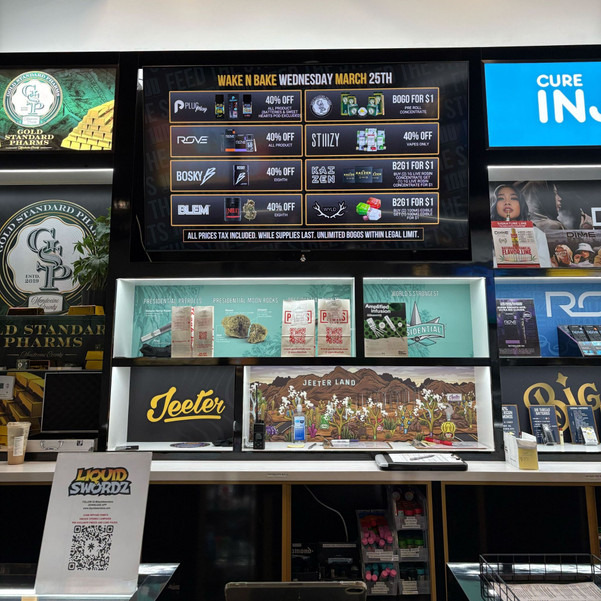
That makes the buying process easier for people comparing hemp extracts against dispensary cannabis. Instead of relying on smoke-shop claims or unclear online cannabinoid listings, shoppers can browse a licensed menu, compare flower deals in SB, check edibles in San Bernardino, and review dispensary deals in SB before visiting.
For anyone searching packs san bernardino, packs sn bernadino packs, marijuana dispensaries, or a thca dispensary nearby, the better question is not just “Who has the lowest price?”
The better question is: Can the product be verified from label to lab to licensed shelf?
That is where recreational dispensaries have the stronger consumer framework. Hemp extracts still have a place, especially when they are non-intoxicating and clearly labeled, but licensed cannabis retail gives San Bernardino shoppers a clearer route to tested products, legal THC access, and a more transparent shopping experience.