
The Cisco AI Technical Practitioner certification validates essential skills for professionals leveraging artificial intelligence and machine learning in practical, technical environments. This credential, earned by passing the Cisco 810-110 AITECH exam, signifies a candidate's ability to implement, monitor, and troubleshoot AI/ML solutions within Cisco architectures. It targets technical professionals, network engineers, data scientists, and developers aiming to integrate AI capabilities into their existing infrastructure and applications. This comprehensive guide outlines the critical steps and strategies to effectively prepare for the Cisco AITECH exam, ensuring candidates build a robust foundation for success and career advancement.
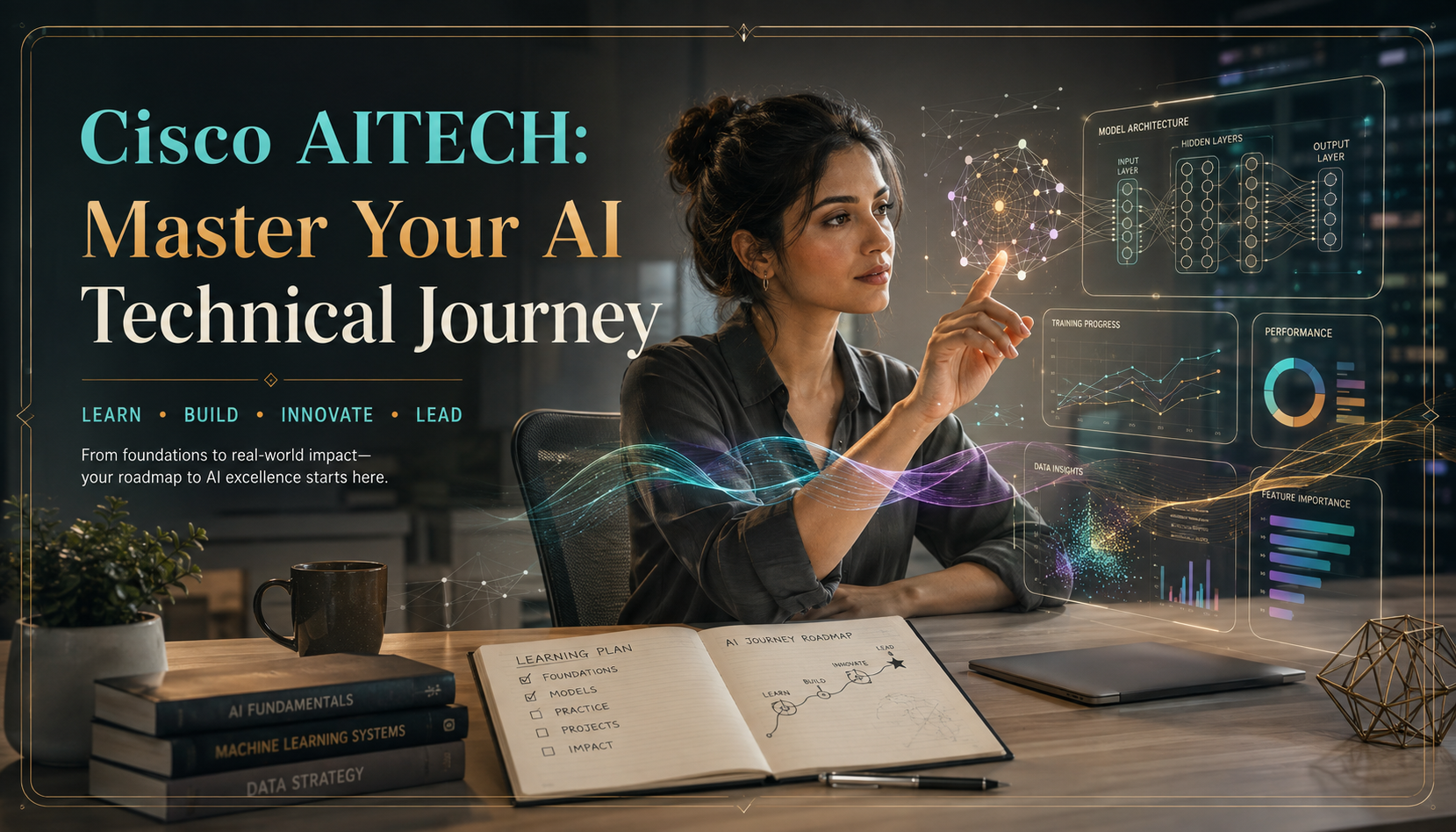
Unlocking Expertise: The Cisco AI Technical Practitioner Certification
Achieving the Cisco AI Technical Practitioner certification demonstrates a practical understanding of AI and ML concepts relevant to modern enterprise solutions. This foundational certification establishes a baseline of knowledge and hands-on capability required to work with Cisco's AI/ML offerings. Professionals who earn this credential are equipped to address the growing demand for integrating intelligent systems, improving operational efficiency, and driving innovation across various industries. This certification serves as a stepping stone for those looking to specialize further in AI/ML within a Cisco ecosystem, proving their ability to bridge theoretical AI knowledge with real-world technical application. For a complete understanding of the credential's scope and official details, candidates should always refer to the official Cisco certification page.
Why Pursue Cisco 810-110 AITECH Validation?
The pursuit of the Cisco 810-110 AITECH certification offers numerous compelling advantages for IT professionals in an evolving technological landscape. As organizations increasingly adopt AI and machine learning, certified individuals stand out by demonstrating a verified skill set. This validation can significantly enhance career prospects, opening doors to specialized roles that demand both networking and AI expertise. Beyond personal career growth, the certification contributes to organizational success by ensuring teams possess the competencies to implement and manage cutting-edge AI-driven solutions.
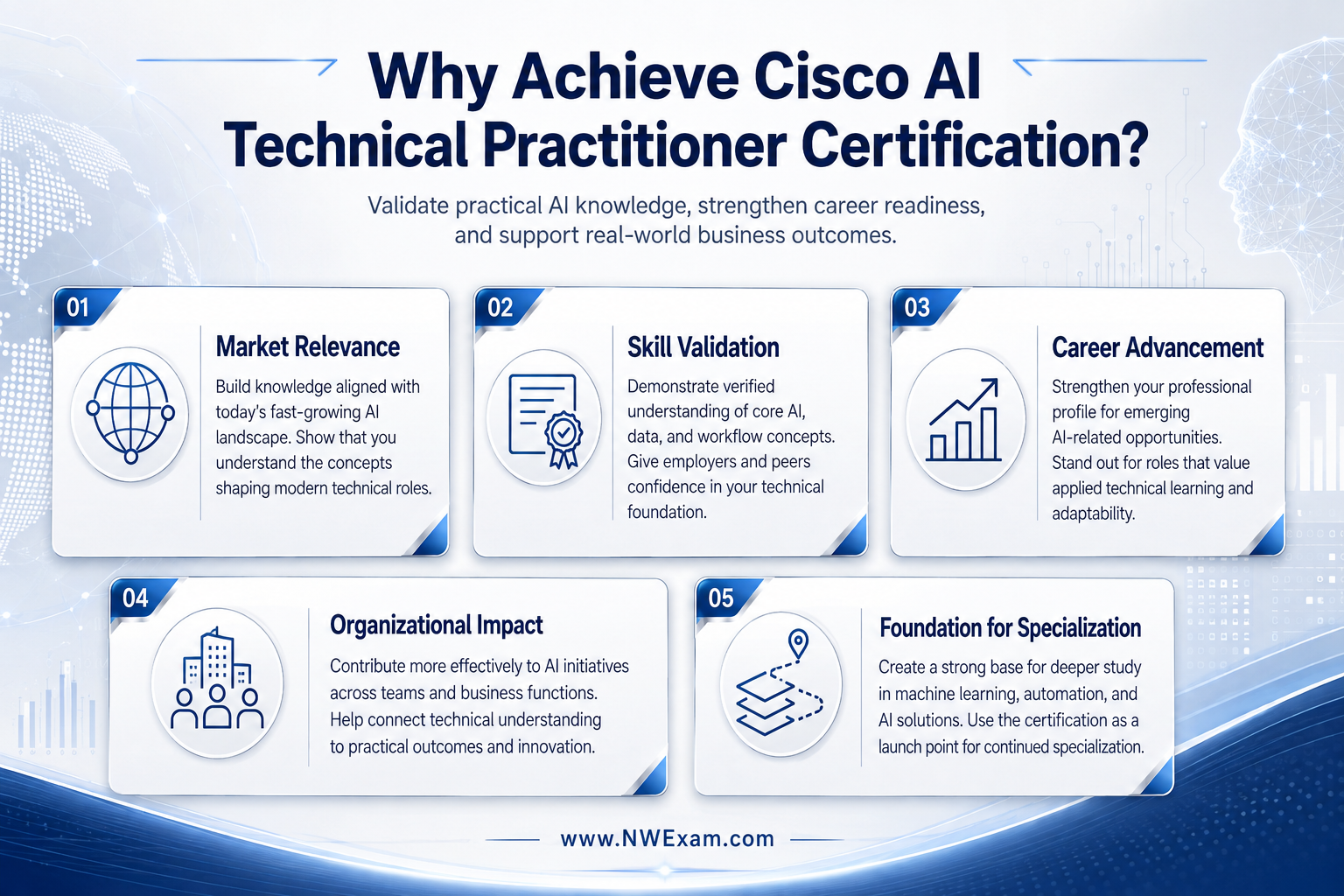
- Market Relevance: AI and machine learning are rapidly transforming industries, creating a high demand for skilled professionals who can navigate this complex domain effectively. The Cisco AITECH certification directly addresses this gap.
- Skill Validation: It provides tangible proof of your ability to work with AI/ML concepts, tools, and platforms, particularly within a Cisco context, enhancing your credibility among peers and employers.
- Career Advancement: Holding a specialized certification from a renowned vendor like Cisco can accelerate career progression, leading to new opportunities, higher earning potential, and leadership roles in AI integration projects.
- Organizational Impact: Certified individuals contribute directly to an organization's capability to deploy and maintain advanced AI solutions, driving innovation, automating processes, and extracting valuable insights from data.
- Foundation for Specialization: The AI Technical Practitioner certification serves as an excellent foundation for further specialization in AI, data science, or advanced networking, providing a clear certification path.
Assessing Your Readiness for the AITECH Exam
Before embarking on intensive study for the Cisco AITECH exam, candidates should conduct a thorough self-assessment to gauge their existing knowledge and experience. This initial evaluation helps identify areas of strength and weakness, allowing for a more focused and efficient study plan. The Cisco 810-110 AITECH certification targets professionals with foundational knowledge in AI/ML concepts and practical experience with relevant tools and platforms.
Foundational Knowledge Requirements
A solid grasp of core AI and machine learning principles is paramount. This includes understanding different types of machine learning (supervised, unsupervised, reinforcement), common algorithms, and data preprocessing techniques. Familiarity with programming languages like Python, often used in AI/ML development, is also beneficial. Candidates should review fundamental concepts related to neural networks, deep learning, and how these technologies are applied in real-world scenarios.
Practical Experience and Skill Application
Beyond theoretical knowledge, the exam expects candidates to demonstrate practical application skills. This could involve experience with data collection, cleaning, and transformation, as well as model training, evaluation, and deployment. Familiarity with common AI/ML frameworks such as TensorFlow or PyTorch, and understanding how to integrate AI solutions with existing IT infrastructure, are highly valuable. Hands-on exposure to cloud platforms and containerization technologies often used in AI deployments can also significantly contribute to readiness.
Crafting an Effective Cisco AITECH 810-110 Exam Study Guide
Developing a well-structured study guide is crucial for navigating the breadth of topics covered in the Cisco AITECH 810-110 exam. A strategic approach ensures comprehensive coverage while optimizing your time and effort. This involves breaking down the learning process into manageable phases, from understanding the core concepts to hands-on practice and final review. A personalized study plan, tailored to your learning style and schedule, will significantly boost your chances of success.
Official Resources and Learning Pathways
The most reliable resources for preparing for the Cisco AITECH exam are provided directly by Cisco. These official materials often include study guides, documentation, and recommended training courses designed to align precisely with the exam objectives. Utilizing these resources ensures that your study efforts are focused on the most relevant and up-to-date information. Explore the official Cisco Learning Network for structured pathways and additional insights.
Structured Study Approach
A phased approach to your study plan can prevent overwhelm and promote deeper understanding. Begin by familiarizing yourself with the certification's overarching goals and the general areas it addresses. Dedicate specific blocks of time each day or week to consistent study, rather than attempting to cram.
- Phase 1: Conceptual Foundation: Focus on understanding the theoretical underpinnings of AI, ML, and relevant terminology. Utilize textbooks, online courses, and whitepapers to build a strong theoretical base.
- Phase 2: Practical Application: Translate theory into practice through hands-on labs, coding exercises, and real-world projects. This is where you apply algorithms, preprocess data, and deploy models.
- Phase 3: Review and Refine: Revisit challenging topics, consolidate your knowledge, and identify any remaining gaps. Use flashcards, summary notes, and study groups to reinforce learning.
Maintaining discipline throughout these phases will ensure you cover all necessary content with adequate depth. For those seeking comprehensive learning resources, it's beneficial to explore various online learning platforms that offer structured courses and communities.
Deepening Comprehension: Core Exam Topics
While specific syllabus items are not provided, candidates preparing for the Cisco AI Technical Practitioner certification should anticipate topics that align with general AI/ML implementation and integration within an enterprise context. This typically includes understanding data types, model development lifecycle, deployment strategies, and ethical considerations. Focusing on these broad areas, coupled with Cisco's specific technology stack where applicable, will be key.
Key areas to expect in any AI technical practitioner examination usually revolve around:
- Data handling and preprocessing techniques for machine learning.
- Fundamentals of various machine learning algorithms and their appropriate use cases.
- Model evaluation metrics and techniques for assessing performance.
- Deployment strategies for AI/ML models, including containerization and orchestration.
- Monitoring and managing AI/ML solutions in production environments.
- Security considerations and ethical implications of AI systems.
- Integration of AI capabilities into existing applications and infrastructure.
Leveraging community knowledge and supplementary resources can significantly aid in topic discovery and deep dives. The Cisco Learning Network is a valuable hub for discussions and shared insights from other candidates and experts, offering unofficial guidance on potential exam topics.
Strategies for Mastering Cisco 810-110 AITECH Exam Preparation
Effective preparation for the Cisco 810-110 AITECH exam goes beyond simply reading textbooks; it demands active engagement and strategic learning. Integrating various study methods will solidify your understanding and improve retention of complex technical concepts. This holistic approach ensures you are not just memorizing facts but truly comprehending and applying the principles.
Building a Study Schedule
Consistency is paramount in exam preparation. Develop a realistic study schedule that allocates specific times for learning new material, reviewing previous topics, and engaging in hands-on labs. Avoid burnout by incorporating short breaks and designating days for rest. Prioritize topics based on your comfort level, dedicating more time to areas where you feel less confident. A well-planned schedule acts as a roadmap, guiding your journey towards certification.
Active Recall and Review
Passive reading is often insufficient for technical certifications. Implement active recall techniques such as self-quizzing, explaining concepts in your own words, and teaching others. Regularly review previously learned material to strengthen memory retention. Flashcards, mind maps, and summary notes can be invaluable tools in this process. Engage with practice problems and scenarios to test your conceptual understanding and problem-solving skills.
Leveraging Practice Questions and Mock Exams
A cornerstone of any successful certification preparation strategy is the consistent use of practice questions and mock exams. These tools are indispensable for familiarizing yourself with the exam format, identifying knowledge gaps, and improving time management. Engaging with practice materials allows you to simulate the actual testing environment, reducing anxiety and building confidence.
High-quality practice questions for the Cisco AITECH exam are designed to challenge your understanding across all relevant domains. They expose you to the types of questions you'll encounter, helping you discern patterns and common pitfalls. Regularly taking full-length mock exams is equally vital. This practice simulates the pressure of the actual exam, allowing you to refine your pacing and strategy. After each mock exam, thoroughly review your answers—both correct and incorrect—to understand the underlying concepts and areas needing further study. Utilizing reputable platforms for Cisco 810-110 AITECH exam preparation can provide access to valuable study support and practice tools.
Understanding the Investment: Cisco AITECH Exam Cost and Logistics
Before scheduling your Cisco AITECH exam, it's important to understand the associated costs and logistical considerations. While specific pricing can vary by region and testing center, candidates should budget for the exam registration fee, which covers the administration of the test. Beyond the initial cost, consider potential expenses for study materials, training courses, and practice exams.
The registration process typically involves creating an account with Pearson VUE, Cisco’s authorized testing partner. Through this platform, candidates can locate testing centers, schedule their exam date and time, and manage their certification profile. It is crucial to review all pre-exam requirements, including valid identification policies, well in advance to avoid any last-minute complications. Understanding these logistical details ensures a smooth registration and testing experience, allowing you to focus solely on your preparation.
The Road to Success: How to Pass Cisco AI Technical Practitioner Exam
Passing the Cisco AI Technical Practitioner exam requires more than just technical knowledge; it demands strategic planning, persistent effort, and a confident mindset. Approaching the exam with a clear understanding of its objectives and a disciplined preparation routine will significantly increase your chances of success. This involves a blend of technical mastery, effective study habits, and mental preparedness.
Mastering Technical Content
Dedicate ample time to deeply understand the core AI/ML concepts and their application within a Cisco framework. This includes not just knowing definitions but grasping how different components interact and function in real-world scenarios. Use hands-on labs and simulations to reinforce theoretical learning, ensuring you can troubleshoot and implement solutions effectively. The ability to apply knowledge is as crucial as knowing it.
Effective Study Habits and Exam Day Tips
Consistency is key; regular, focused study sessions are more effective than sporadic cramming. Prioritize active learning methods such as practice questions, mock exams, and explaining concepts aloud. On exam day, ensure you are well-rested, arrive early at the testing center, and read each question carefully before selecting an answer. Manage your time wisely, and if unsure about a question, make an educated guess and move on, flagging it for review if time permits. Trust in your preparation and maintain a positive outlook.
Post-Certification Impact: Benefits of Cisco 810-110 Certification
Earning the Cisco 810-110 certification extends beyond mere technical validation; it profoundly impacts your professional trajectory and standing within the IT industry. This credential signifies a commitment to cutting-edge technology and positions you as a valuable asset in organizations grappling with AI/ML integration challenges. The benefits are both immediate and long-lasting, influencing your career growth, earning potential, and professional network.
The certification enhances your marketability, making you a preferred candidate for roles requiring AI and networking expertise. It can lead to opportunities in advanced roles such as AI/ML engineer, data infrastructure specialist, or cloud AI architect. Furthermore, being a Cisco certified professional often comes with access to exclusive communities and resources, fostering continuous learning and networking opportunities. This investment in your skills not only validates your current capabilities but also lays a robust foundation for future specialization and leadership in the rapidly evolving field of artificial intelligence.
In conclusion, embarking on the journey to achieve the Cisco AI Technical Practitioner certification through the 810-110 AITECH exam is a significant step for any professional looking to solidify their expertise in the burgeoning field of artificial intelligence and machine learning. While challenging, the rewards of enhanced career prospects, validated skills, and industry recognition are well worth the effort. By following a structured preparation blueprint, diligently engaging with resources, and consistently practicing, you can confidently approach the exam and secure this valuable credential.
Take charge of your professional development today. Begin mapping out your comprehensive study plan, leverage the wealth of available learning resources, and commit to consistent practice. Your journey towards becoming a certified Cisco AI Technical Practitioner starts now. Explore more articles and insights to refine your preparation strategy and stay updated on industry trends at Corey Wood’s professional page.
Frequently Asked Questions
1. What is the Cisco AI Technical Practitioner certification?
The Cisco AI Technical Practitioner certification validates a professional's foundational knowledge and practical skills in implementing, monitoring, and troubleshooting AI/ML solutions within Cisco architectures. It's earned by passing the Cisco 810-110 AITECH exam.
2. Who should consider taking the Cisco 810-110 AITECH exam?
This exam is ideal for technical professionals, network engineers, data scientists, and developers who aim to integrate AI/ML capabilities into their existing infrastructure and applications, seeking to validate their practical AI/ML expertise.
3. How long does it typically take to prepare for the Cisco AITECH exam?
Preparation time varies greatly depending on an individual's existing knowledge and experience with AI/ML concepts and Cisco technologies. Typically, candidates may spend several weeks to a few months on dedicated study, balancing theoretical learning with hands-on practice.
4. Are there any prerequisites for the Cisco AI Technical Practitioner certification?
While Cisco does not explicitly state formal prerequisites, candidates are generally expected to have foundational knowledge in AI/ML concepts, basic programming skills (often Python), and some familiarity with networking or IT infrastructure to effectively tackle the exam content.
5. What are the career benefits of obtaining the Cisco 810-110 certification?
Obtaining this certification can significantly enhance career prospects by validating in-demand AI/ML skills within a Cisco context. It can lead to specialized roles, increased earning potential, and greater credibility in integrating intelligent systems, contributing to both personal and organizational growth.