
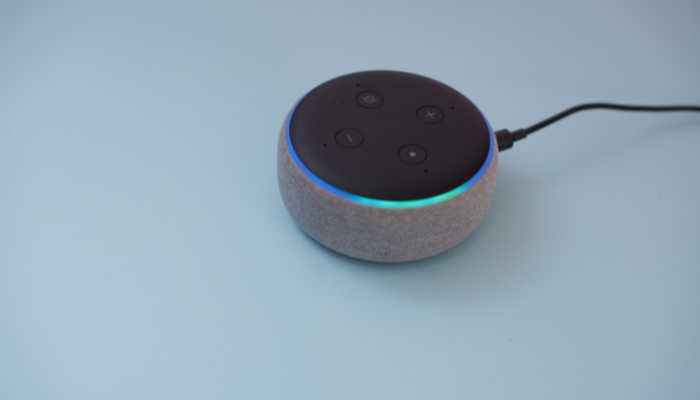
Amazon Alexa Business is becoming an important part of the conversation around hotel technology and digital transformation. With Alexa Smart Properties, hotels can deploy voice-enabled devices across guest rooms and use them for services, smart-room controls, communication, and operational workflows. Rather than using smart devices only for entertainment, hospitality businesses can connect them with existing systems to improve efficiency and create a more convenient guest experience.
What Is Alexa Smart Properties?
Alexa Smart Properties is a technology platform that enables property owners and managers to deploy and manage Alexa-enabled devices at scale. For hospitality businesses, it is designed to support hotels, resorts, and vacation-rental communities.
Hotels can customize Alexa experiences according to their services. Guests can ask about hotel facilities, order room service, request housekeeping, contact the concierge, or control compatible devices such as lights, thermostats, blinds, and televisions.
1. Streamlining Everyday Hotel Operations
One of the biggest advantages of smart devices is their ability to simplify repetitive tasks.
Hotel employees regularly handle requests involving housekeeping, maintenance, room information, amenities, and guest questions. Alexa can provide another communication channel for these requests, helping direct them to the appropriate teams.
Amazon says Alexa Smart Properties can connect with existing ticketing and property-management systems. This means voice requests can potentially become part of established hotel workflows instead of requiring employees to manually record every request.
2. Faster Housekeeping and Room Turnover
Housekeeping is one area where small delays can have a significant effect on hotel operations. When staff can quickly communicate room-status updates, front-desk teams can receive information sooner.
Amazon's Mercure Hyde Park case study describes housekeeping and maintenance employees using Alexa to communicate when rooms had been cleaned or repaired, with updates flowing into the property's management system. Amazon reported that this helped rooms become ready for new guests faster.
Amazon also published guidance in 2025 highlighting voice-based room-status updates as a way to streamline room turnover.
3. Improving the Guest Experience
Operational efficiency matters, but guests ultimately judge a hotel by the quality and convenience of its service.
Alexa can give guests access to hotel information without requiring them to call reception. Depending on how a property configures its system, guests can ask about breakfast hours, amenities, events, room service, or other property-specific information.
This voice-first approach can reduce friction while making hotel services easier to discover.
4. Creating Smarter Hotel Rooms
Alexa Smart Properties can connect compatible smart devices to create more responsive guest rooms.
Guests may be able to use voice commands to adjust lighting, temperature, blinds, and television settings. Hotels can therefore combine multiple connected devices under a familiar voice interface instead of requiring guests to learn several separate controls.
For hotels planning a smart-room strategy, this can make voice technology part of a larger connected-property ecosystem.
5. Centralized Device Management
Managing hundreds of smart devices manually can become complicated. Alexa Smart Properties provides management tools and APIs that allow businesses to organize and manage devices across properties.
Hotels can associate devices with rooms, configure settings, enable skills, and manage their device fleet centrally. Amazon has also introduced features designed to simplify device setup and deployment at scale.
This scalability is especially valuable for hotel groups operating multiple properties.
6. Using Data and Analytics for Better Decisions
Smart-device deployments can also provide operational insights. Amazon says Alexa Smart Properties offers analytics on device usage, allowing property operators to understand how guests and staff interact with the technology.
Hotels can use these insights to identify popular requests, improve frequently used services, and determine where additional automation may be useful.
7. Multimodal Experiences Go Beyond Voice
Smart hotel experiences do not have to rely exclusively on audio. Compatible Echo Show devices can combine voice interactions with visual information.
For example, when a guest asks about breakfast, the screen can display the hours, location, and menu. Hotels can also use visual content to promote events, property information, and services.
This combination of voice and visual information can make digital concierge experiences more engaging.
8. Privacy and Security
Privacy is particularly important when smart speakers are placed inside hotel rooms. Amazon states that voice recordings from Alexa Smart Properties for Hospitality devices are not stored, and personal Alexa profiles are separate from the hospitality experience.
Hotels should still communicate clearly with guests about available features and establish appropriate procedures for device management and privacy.
The Role of Amazon Alexa Business in Modern Hotels
The broader Amazon Alexa Business opportunity goes beyond putting an Echo device in every room. When integrated thoughtfully, Alexa can connect guests, employees, smart-room equipment, and hotel software.
The result can be a more connected operation where routine requests are easier to manage and staff have more time for high-value interactions with guests. Amazon's hospitality materials specifically position Alexa Smart Properties around improving guest satisfaction, reducing operational burdens, and creating potential revenue opportunities.
Conclusion
Alexa Smart Properties demonstrates how smart devices can become practical operational tools for the hospitality industry. From faster housekeeping communication and smart-room controls to centralized device management and voice-based guest services, the technology can support multiple areas of hotel operations.
For businesses exploring Amazon Alexa Business, the key is to focus on genuine operational problems rather than adopting technology simply because it is new. With the right integrations, training, privacy practices, and guest-focused design, Alexa Smart Properties can help hotels create more efficient operations while delivering a smoother and more modern guest experience.