
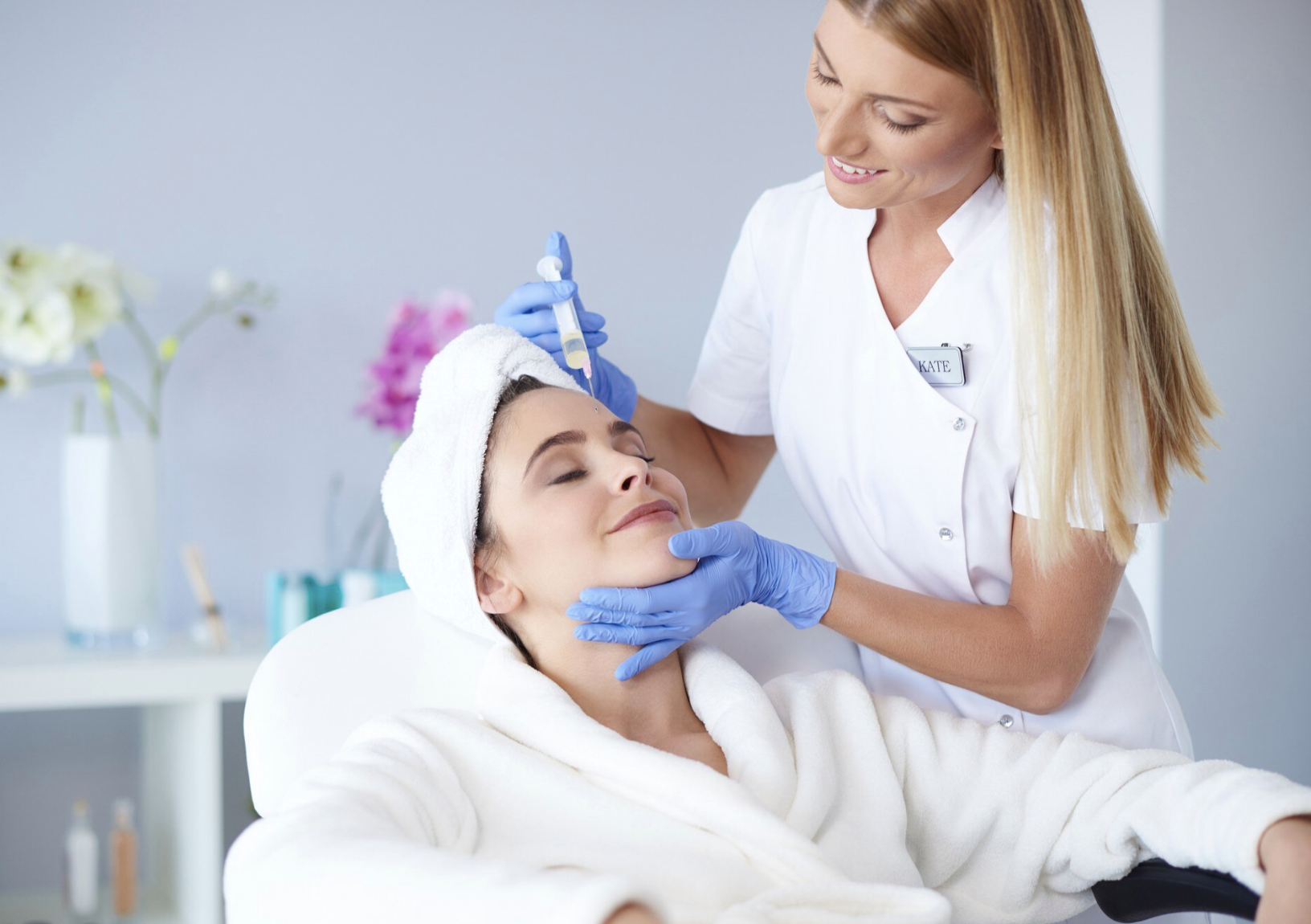
Aesthetic medicine is a rapidly growing field focused on improving appearance through non-surgical and minimally invasive treatments. From reducing wrinkles and restoring facial volume to enhancing skin texture and treating acne scars, aesthetic medicine offers a wide range of procedures designed to help patients look refreshed while maintaining natural-looking results.
Unlike plastic surgery, which often involves invasive procedures and longer recovery times, aesthetic medicine emphasizes treatments with minimal downtime, allowing many patients to return to their normal activities shortly after their appointments.
What Is Aesthetic Medicine?
Aesthetic medicine is a branch of medicine dedicated to enhancing the appearance of the skin, face, and body using evidence-based, minimally invasive procedures.
The primary goals of aesthetic medicine include:
- Reducing signs of aging
- Improving skin health
- Enhancing facial harmony
- Restoring lost facial volume
- Correcting pigmentation concerns
- Improving skin texture
- Boosting patient confidence
Treatments are personalized based on each patient's skin type, anatomy, concerns, and cosmetic goals.
Common Treatments in Aesthetic Medicine
Modern aesthetic medicine offers a variety of non-surgical procedures to address different skin and facial concerns.
Botox and Neuromodulators
Botox and similar neuromodulators temporarily relax targeted facial muscles to reduce dynamic wrinkles caused by repeated expressions.
Common treatment areas include:
- Forehead lines
- Frown lines
- Crow's feet
- Bunny lines
- Chin dimpling
- Neck bands
Results usually appear within one to two weeks and last approximately three to four months.
Dermal Fillers
Dermal fillers restore volume that naturally decreases with age.
They are commonly used to enhance:
- Lips
- Cheeks
- Chin
- Jawline
- Nasolabial folds
- Marionette lines
- Under-eye hollows
Many fillers are made from hyaluronic acid, a naturally occurring substance that helps keep the skin hydrated.
Microneedling
Microneedling creates tiny controlled micro-injuries in the skin to stimulate collagen and elastin production.
Benefits include:
- Improved skin texture
- Reduction of acne scars
- Softer fine lines
- Smaller pores
- Brighter complexion
Multiple sessions are often recommended for optimal results.
RF Microneedling
Radiofrequency (RF) microneedling combines traditional microneedling with radiofrequency energy to stimulate deeper collagen remodeling.
It can improve:
- Skin tightening
- Wrinkles
- Acne scars
- Mild skin laxity
- Stretch marks
Chemical Peels
Chemical peels remove damaged outer skin layers to reveal healthier, smoother skin beneath.
They may improve:
- Fine lines
- Hyperpigmentation
- Sun damage
- Acne
- Uneven skin tone
Peels are available in varying strengths depending on your skin concerns.
Laser Treatments
Laser procedures can address:
- Pigmentation
- Acne scars
- Redness
- Fine wrinkles
- Sun damage
- Uneven skin texture
Some laser treatments also stimulate collagen production for long-term skin rejuvenation.
Skin Tightening
Non-surgical skin tightening procedures use technologies such as radiofrequency or ultrasound energy to improve skin firmness.
These treatments are commonly used for:
- Mild facial sagging
- Neck laxity
- Jawline definition
- Fine wrinkles
Platelet-Rich Plasma (PRP)
PRP uses growth factors from your own blood to promote healing and stimulate collagen production.
It may be used for:
- Facial rejuvenation
- Hair restoration
- Acne scar treatment
- Skin texture improvement
Benefits of Aesthetic Medicine
There are many reasons people choose aesthetic medicine.
Non-Surgical Solutions
Most procedures do not require general anesthesia or lengthy recovery periods.
Minimal Downtime
Many treatments allow patients to resume normal daily activities within hours or a few days.
Natural-Looking Results
The goal of aesthetic medicine is to enhance your existing features rather than dramatically change your appearance.
Personalized Care
Treatment plans are tailored to each individual's:
- Skin condition
- Facial anatomy
- Age
- Cosmetic goals
- Lifestyle
Preventive Anti-Aging
Many younger adults seek aesthetic treatments to delay the appearance of wrinkles and maintain healthy skin before more noticeable signs of aging develop.
Conditions Treated with Aesthetic Medicine
Aesthetic medicine can help improve many cosmetic concerns, including:
- Fine lines and wrinkles
- Acne scars
- Uneven skin tone
- Hyperpigmentation
- Enlarged pores
- Skin laxity
- Facial volume loss
- Sun damage
- Excessive sweating (hyperhidrosis)
- Hair thinning
- Rosacea-related redness
A consultation helps determine which treatments are most appropriate for your specific concerns.
What Happens During an Aesthetic Medicine Consultation?
Your first appointment typically includes:
- Review of your medical history
- Skin analysis
- Facial assessment
- Discussion of your goals
- Explanation of treatment options
- Review of benefits and potential risks
- Development of a customized treatment plan
Your provider will also explain what results you can realistically expect.
Choosing the Right Aesthetic Medicine Provider
Selecting a qualified provider is one of the most important steps in achieving safe and satisfying results.
Look for a clinic that offers:
Qualified Medical Professionals
Choose licensed healthcare providers with specialized training in aesthetic procedures.
Experience
Ask how often the provider performs the specific treatment you're considering.
Personalized Recommendations
A reputable provider recommends treatments based on your individual needs rather than offering unnecessary procedures.
High Safety Standards
The clinic should maintain excellent hygiene, sterile techniques, and appropriate infection control practices.
Before-and-After Photos
Reviewing previous patient results can help you understand the provider's approach and expected outcomes.
Are Aesthetic Medicine Treatments Safe?
Most procedures performed in aesthetic medicine have excellent safety records when performed by experienced professionals.
Common temporary side effects include:
- Mild redness
- Swelling
- Bruising
- Tenderness
- Temporary sensitivity
Serious complications are uncommon but may occur, particularly with injectable treatments, making provider expertise essential.
Maintaining Your Results
To prolong the benefits of aesthetic treatments:
- Follow your provider's aftercare instructions.
- Wear broad-spectrum sunscreen every day.
- Use medical-grade skincare products if recommended.
- Stay hydrated.
- Eat a healthy, balanced diet.
- Avoid smoking.
- Schedule maintenance treatments as advised.
A consistent skincare routine and healthy lifestyle can help maintain long-term results.
Is Aesthetic Medicine Right for You?
You may be a good candidate for aesthetic medicine if you:
- Want to improve signs of aging without surgery.
- Have realistic expectations.
- Are in good overall health.
- Wish to enhance your natural appearance.
- Are looking for personalized treatment options with minimal downtime.
A consultation with an experienced provider can help determine the most appropriate treatments for your goals.
Final Thoughts
Aesthetic medicine combines advanced technology with medical expertise to provide safe, non-surgical solutions for facial rejuvenation and skin health. Treatments such as Botox, dermal fillers, microneedling, RF microneedling, laser resurfacing, chemical peels, PRP, and skin tightening can address a wide range of cosmetic concerns while preserving natural facial expressions and enhancing overall appearance.
Whether your goal is to reduce wrinkles, improve skin texture, restore facial volume, or maintain youthful-looking skin, a personalized treatment plan created by a qualified aesthetic medicine provider can help you achieve long-lasting, natural-looking results with minimal downtime.