What Are Isocyanates and How Are They Manufactured?
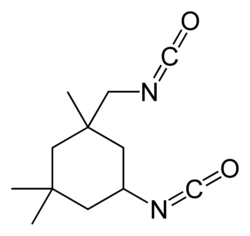
Isocyanates are a versatile family of highly reactive organic compounds characterized by the functional group –N=C=O. These chemicals serve as core building blocks in the production of polymers such as polyurethane foams, elastomers, coatings, adhesives and sealants. The most widely used isocyanates in industry include toluene diisocyanate (TDI), methylene diphenyl diisocyanate (MDI) and hexamethylene diisocyanate (HDI). Their production typically involves reacting an amine with phosgene under tightly controlled conditions. Phosgenation yields crude isocyanate intermediates, which are then purified through distillation or reactive stripping to meet stringent quality specifications.
Common Industrial and Commercial Applications of Isocyanates
Across multiple sectors, isocyanate-derived products have become indispensable. In the construction industry, polyurethane foams formulated with TDI and MDI provide superior thermal insulation, sound dampening and structural integrity for residential, commercial and industrial buildings. Spray-applied foam insulation has surged in popularity thanks to its seamless air barrier and high R-value per inch thickness.
Implications of Isocyanate Exposure in Workers Health
Despite their commercial benefits, Isocyanates pose significant hazards to human health, particularly in occupational settings where inhalation, dermal contact or accidental ingestion may occur. Numerous epidemiological studies have linked repeated isocyanate exposure to a spectrum of respiratory conditions, most notably occupational asthma. In sensitized individuals, even very low airborne concentrations—measured in parts per billion—can trigger bronchospasm, wheezing, shortness of breath and chest tightness. Dermal exposure can result in contact dermatitis, skin sensitization and chemical burns under high-concentration or prolonged contact scenarios.
Regulatory Landscape and Safety Standards Worldwide
Recognizing the health risks, regulatory bodies across North America, Europe and Asia have set stringent limits on occupational exposure to isocyanates, while issuing guidelines on safe handling practices. In the United States, the Occupational Safety and Health Administration (OSHA) enforces permissible exposure limits (PELs) of 0.02 ppm as an eight-hour time-weighted average for MDI and 0.005 ppm for HDI.
The National Institute for Occupational Safety and Health (NIOSH) recommends even lower recommended exposure limits (RELs) of 0.005 ppm for MDI. In the European Union, the Scientific Committee on Occupational Exposure Limits (SCOEL) has proposed an 8-hour binding limit of 0.02 ppm for TDI and 0.05 ppm for MDI, alongside a short-term exposure limit (STEL) of 0.07 ppm over 15 minutes.
Compliance with these thresholds mandates the use of engineering controls, such as local exhaust ventilation, closed transfer systems and continuous air monitoring. Employers must also implement comprehensive training programs on spill response, proper storage and emergency medical procedures.
Global standards from organizations like ISO and the American Conference of Governmental Industrial Hygienists (ACGIH) further shape workplace guidelines, influencing certifications for protective respirators, gloves and clothing designed to prevent both inhalation and skin contact. Failure to conform can result in significant fines, production shutdowns and elevated worker turnover as employees cite workplace safety concerns.
In response to health concerns and regulatory pressures, chemical manufacturers and academic researchers are actively exploring next-generation isocyanate substitutes as well as advanced risk-mitigation technologies. Bio-based polyols derived from vegetable oils and lignin offer renewable feedstocks, reducing reliance on petrochemically sourced raw materials. Although the reactive isocyanate group remains hard to replace in many applications, progress in non-isocyanate polyurethanes (NIPUs) shows promise; these systems typically use cyclic carbonates and amines to create urethane linkages without releasing isocyanates.
As demand for high-performance polyurethane products continues to grow globally—in energy-efficient construction, lightweight transportation and durable industrial coatings—the isocyanate industry faces a pivotal challenge: how to reconcile expanding markets with the imperative of worker health and safety. Continuous improvements in process design, engineering controls and alternative chemistries are reshaping production paradigms, but widespread adoption hinges on cost competitiveness and regulatory harmonization.
Get this Report in Japanese Language
Get this Reports in Korean Language
About Author:
Alice Mutum is a seasoned senior content editor at Coherent Market Insights, leveraging extensive expertise gained from her previous role as a content writer. With seven years in content development, Alice masterfully employs SEO best practices and cutting-edge digital marketing strategies to craft high-ranking, impactful content. As an editor, she meticulously ensures flawless grammar and punctuation, precise data accuracy, and perfect alignment with audience needs in every research report. Alice's dedication to excellence and her strategic approach to content make her an invaluable asset in the world of market insights.
(LinkedIn: www.linkedin.com/in/alice-mutum-3b247b137 )