
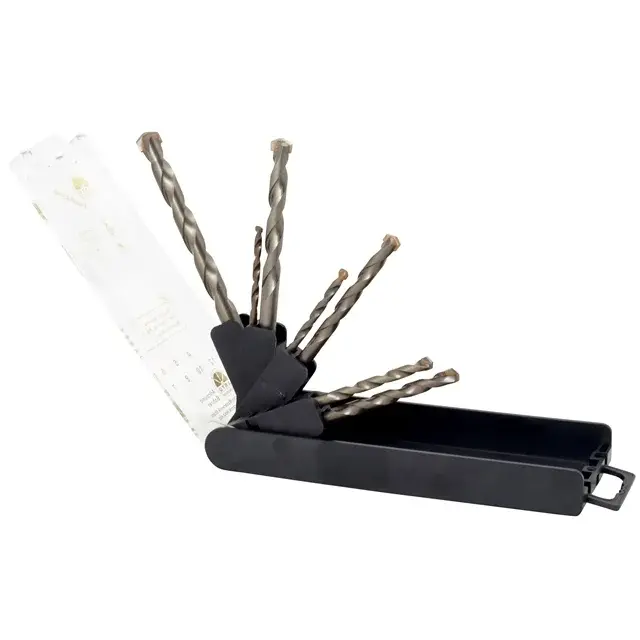
As a passionate DIYer or construction professional, the SDS hammer drill bit is probably one of the most important tools in your toolbox. Known for their versatility and power, SDS hammer drills are often trusted with the most demanding jobs, adding efficiency to home improvement and construction projects. However, owing to their very design and function, these power tools also throw up unique challenges when it comes to safety. This blog aims to shed light on this vital aspect, offering an easy-to-follow and comprehensive guide to using SDS hammer drill bits safely while maintaining peak performance.
Understanding SDS Hammer Drill Bits
SDS hammer drill bits, short for "Slotted Drive System," are designed for heavy-duty drilling tasks. Their unique two-set shank design provides both rotation and hammering action, enabling them to drill quickly through tough materials like concrete and metal. The bit locks into the drill, delivering a powerful hammer blow that crumbles the material into dust, then swiftly spins to sweep away the debris and continue the operation. This ingenious combination of speed and impact allows SDS drill bits to handle the hardest materials relatively easily.
Why Safety is Essential in Using SDS Hammer Drill Bits
While powerful and efficient, this potent combination of hammering and rotation also makes using an SDS hammer drill potentially risky if not used properly. There are several hazards ranging from physical injuries such as eye injuries from flying debris, hearing damage from prolonged noise exposure, and even more severe injuries resulting from loss of control or tool malfunction. Meanwhile, improper usage can also damage the drill bit itself, reducing its operational life and performance. Hence, when it comes to using an SDS hammer drill, safety is not optional but critically important.
Safety Tips when Using SDS Hammer Drill Bits
Safety takes precedence in any drilling operation, and with SDS hammer drill bits, it should be no different. Always start by wearing protective gear, including safety goggles, gloves, and sturdy footwear. Secure loose clothing and hair to avoid any entanglement with the machine. Your work environment should be well lit and free from any debris that could impair your operating conditions.
Proper Handling and Operation Procedures for SDS Hammer Drill Bits
Aside from wearing protective gear, proper operation of the drill is vital for safety. Before use, check the tool to ensure it is in good working order. This includes inspecting the bit for signs of wear or damage and ensuring that it is properly secured in the drill. Adopt the correct posture during drilling; keep your feet shoulder-width apart and maintain a firm grip on the drill. During operation, start the drill at a slow pace and increase speed gradually. To remove the bit, switch off and unplug the drill, then allow it to cool down before removing the bit.
Advanced Tips: Maximizing Your Safety and Efficiency
In addition to the basic safety measures, there are advanced tactics you can employ to enhance safety and efficiency. For instance, using a power tool with a safety clutch will prevent an unexpected torque reaction if the drill bit jams. Also, using a dust extraction system can help you maintain a clean working environment free of airborne particles that can be harmful if inhaled. Lastly, it's important also to avoid overheating of your drill bits, which can increase wear and even result in breakage.
Maintaining Your SDS Hammer Drill Bits
Regular maintenance of your SDS hammer drill bits ensures long-term safety and efficiency. Clean your bits after each use, lubricate moving parts regularly, and store them safely when not in use. Check for wear and damage regularly and replace worn-out bits as necessary.
Additional Training and Resources for SDS Hammer Drill Bit Safety
While this blog provides a comprehensive overview, additional training can always boost your confidence and safety when handling power tools. Consider attending workshops or enrolling in online courses to increase your knowledge. Reputable sources include the Occupational Safety and Health Administration (OSHA) and the Construction Industry Institute (CII).
Conclusion
Safety should be paramount in all your DIY or construction tasks, especially when dealing with power tools such as the SDS hammer drill. By following the safety tips, proper handling, and maintenance guidelines discussed above, we can minimize risks and ensure our projects proceed smoothly and efficiently.