
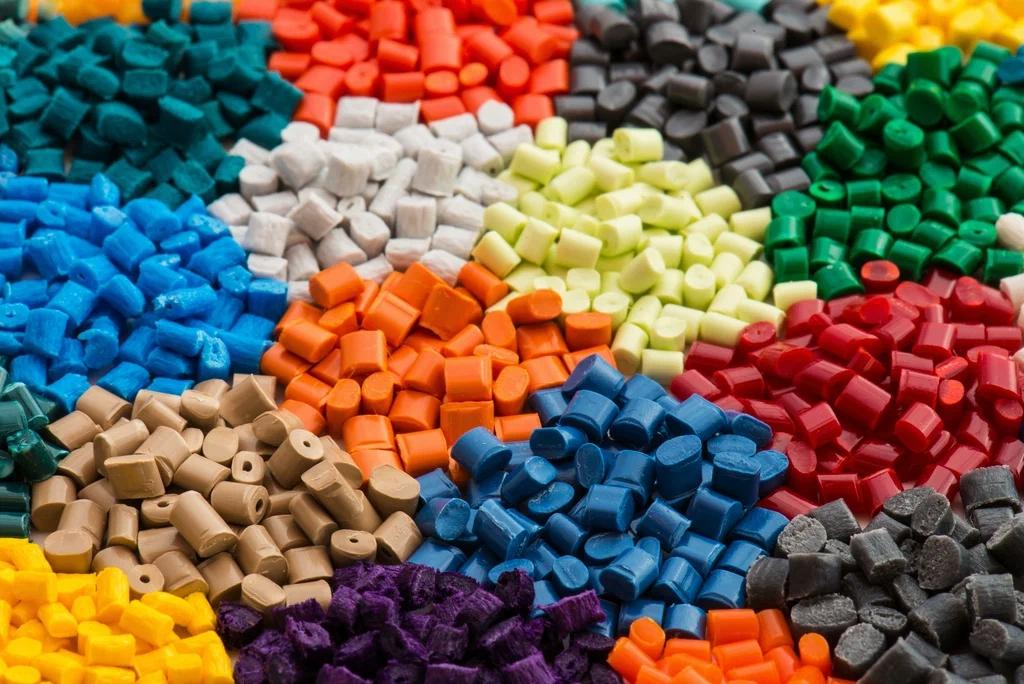
Polymers have become an integral part of our everyday existence, fundamentally transforming industries and lifestyles across the globe. From the clothes we wear to the vehicles we drive, these remarkable molecular chains have revolutionized manufacturing, medicine, and environmental sustainability. Let's delve deep into the world of polymers and understand their profound impact on our society.
The Fundamental Nature of Polymers
Polymers are large molecules composed of many repeating subunits called monomers, linked together through chemical bonds. These molecular chains can be natural, like cellulose in plants and proteins in our bodies, or synthetic, such as polyethylene and nylon. The versatility of polymers lies in their unique chemical structure, which can be manipulated to create materials with specific properties suited for countless applications. The arrangement of these molecular chains determines whether the polymer will be flexible like rubber, rigid like plastic, or possess other distinctive characteristics.
Evolution of Polymer Science and Industry
The Polymers journey began in the early 20th century with Leo Baekeland's invention of Bakelite, the first synthetic polymer. This breakthrough sparked a revolution in materials science, leading to the development of numerous synthetic polymers that we use today. The industry has since evolved dramatically, with continuous innovations in polymer chemistry enabling the creation of advanced materials with enhanced properties. Modern polymer science focuses on developing sustainable alternatives and smart materials that can respond to environmental stimuli, opening new frontiers in technology and environmental conservation.
Applications in Consumer Products
The ubiquity of polymers in consumer goods is staggering. From packaging materials and household items to electronic devices and automotive components, polymers have replaced traditional materials in countless applications. Their lightweight nature, durability, and cost-effectiveness make them ideal for mass production. In the textile industry, synthetic polymers like polyester and nylon have revolutionized clothing manufacturing, offering alternatives to natural fibers. The food packaging industry relies heavily on polymer-based materials that ensure food safety and extended shelf life while reducing transportation costs and environmental impact.
Medical and Healthcare Innovations
In the medical field, polymers have enabled groundbreaking advances in healthcare delivery. Biodegradable polymers are used in surgical sutures that dissolve naturally in the body, eliminating the need for removal. Polymer-based drug delivery systems provide controlled release of medications, improving treatment efficacy. Prosthetics and medical devices made from specialized polymers offer better compatibility with human tissue and enhanced functionality. The development of antimicrobial polymers has also contributed to reducing healthcare-associated infections, making medical treatments safer and more effective.
Environmental Considerations and Sustainability
While polymers have contributed significantly to modern conveniences, their environmental impact has become a crucial concern. Traditional synthetic polymers can take hundreds of years to decompose, leading to environmental pollution. However, the polymer industry is actively addressing these challenges through various initiatives. Biodegradable polymers, derived from renewable resources, are being developed as alternatives to conventional plastics. Recycling technologies are becoming more sophisticated, enabling better recovery and reuse of polymer materials. Research into new degradable polymers and efficient recycling methods continues to drive the industry toward more sustainable practices.
Industrial Applications and Manufacturing
The manufacturing sector has been transformed by polymer technology. Advanced composite materials, combining polymers with other substances, provide superior strength-to-weight ratios crucial in aerospace and automotive applications. In construction, polymer-modified concrete offers enhanced durability and performance. The electronics industry relies on specialized polymers for circuit boards, insulation, and display technologies. Industrial coatings and adhesives based on polymer chemistry protect surfaces and enable new manufacturing techniques.
Future Trends and Innovations
The polymer industry continues to evolve with emerging technologies and changing societal needs. Smart polymers that respond to environmental changes are being developed for applications in sensors and controlled-release systems. Research in polymer-based artificial muscles and soft robotics is opening new possibilities in robotics and automation. Nanotechnology is enabling the creation of polymer materials with unprecedented properties at the molecular level. The integration of polymers with other advanced materials is leading to hybrid solutions that combine the best properties of different material classes.
Economic Impact and Market Dynamics
The global polymer industry represents a significant economic force, with market values in the hundreds of billions of dollars. The sector continues to grow, driven by increasing demand in developing economies and new applications in established markets. Innovation in polymer science creates new business opportunities and jobs while contributing to economic growth. The industry's evolution towards sustainable practices is also opening new market segments and driving investment in green technologies.
Educational and Research Perspectives
Academic institutions and research organizations worldwide are investing in polymer science education and research. The field combines chemistry, physics, and engineering, requiring interdisciplinary approaches to solve complex challenges.
Get this report in Japanese Language – ポリマー
Get this report in Korean Language - 폴리머
About Author
Priya Pandey is a dynamic and passionate editor with over three years of expertise in content editing and proofreading. Holding a bachelor's degree in biotechnology, Priya has a knack for making the content engaging. Her diverse portfolio includes editing documents across different industries, including food and beverages, information and technology, healthcare, chemical and materials, etc. Priya's meticulous attention to detail and commitment to excellence make her an invaluable asset in the world of content creation and refinement.
(LinkedIn- https://www.linkedin.com/in/priya-pandey-8417a8173/)