
If you’ve ever wondered can wine go bad in heat, the simple answer is yes. Wine is a delicate beverage that thrives under specific conditions, and excessive heat is one of its biggest enemies. Prolonged exposure to high temperatures can alter its taste, aroma, and texture — ultimately ruining the experience that a perfectly preserved bottle promises.
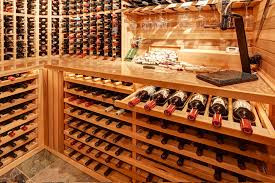
Why Heat Affects Wine Quality
Wine is made up of complex chemical compounds that evolve slowly over time. Heat accelerates these chemical reactions, leading to premature aging and spoilage. When a bottle of wine gets too warm, its delicate balance is disturbed — fruity notes fade, acidity flattens, and the overall flavor profile becomes dull or “cooked.”
Ideally, wine should be stored between 50°F and 59°F (10°C–15°C). Anything above 70°F (21°C) can start to cause gradual damage, and temperatures above 80°F (27°C) may ruin the wine completely within hours. Essentially, the hotter it gets and the longer it stays hot, the more likely your wine will lose its charm.
Signs That Wine Has Gone Bad Due to Heat
Even without tasting it, there are a few clear indicators that a wine bottle has suffered heat damage:
-
Leaking or pushed cork – Heat expands the liquid inside, pushing the cork out slightly or causing leakage.
-
Discolored wine – Red wines may appear brownish, while white wines can turn darker.
-
Flat or stewed aroma – Fresh fruit notes are replaced by a jammy or cooked scent.
-
Off flavors – You might notice bitterness, tanginess, or a loss of complexity.
Once you notice these signs, there’s little that can be done to restore the wine’s original quality. Prevention is the only way to keep your bottles safe.
How to Prevent Heat Damage
If you live in a warm or tropical region, proper storage is key. Avoid placing wine bottles in direct sunlight, near kitchen appliances, or inside cars — all of which can cause temperatures to soar quickly. Instead, follow these steps to preserve your collection:
-
Store wine in a cool, dark place with consistent temperature.
-
Use a wine refrigerator if ambient temperatures are high.
-
Keep bottles horizontally (if corked) to maintain moisture and prevent air leaks.
-
Transport wine carefully using insulated bags or coolers during hot weather.
-
Avoid sudden temperature changes, as frequent fluctuations can cause the cork to expand and contract, leading to oxidation.
Final Thoughts
So, can wine go bad in heat? Absolutely — and often faster than you might think. Even short exposure to high temperatures can lead to noticeable changes in taste and aroma. The key to preserving wine’s integrity lies in consistent, cool storage.
If you want to learn expert tips on protecting your bottles from heat damage, read this detailed guide on storing wine in hotter climates. With the right care, your favorite wines will stay perfectly balanced and enjoyable for years to come.