
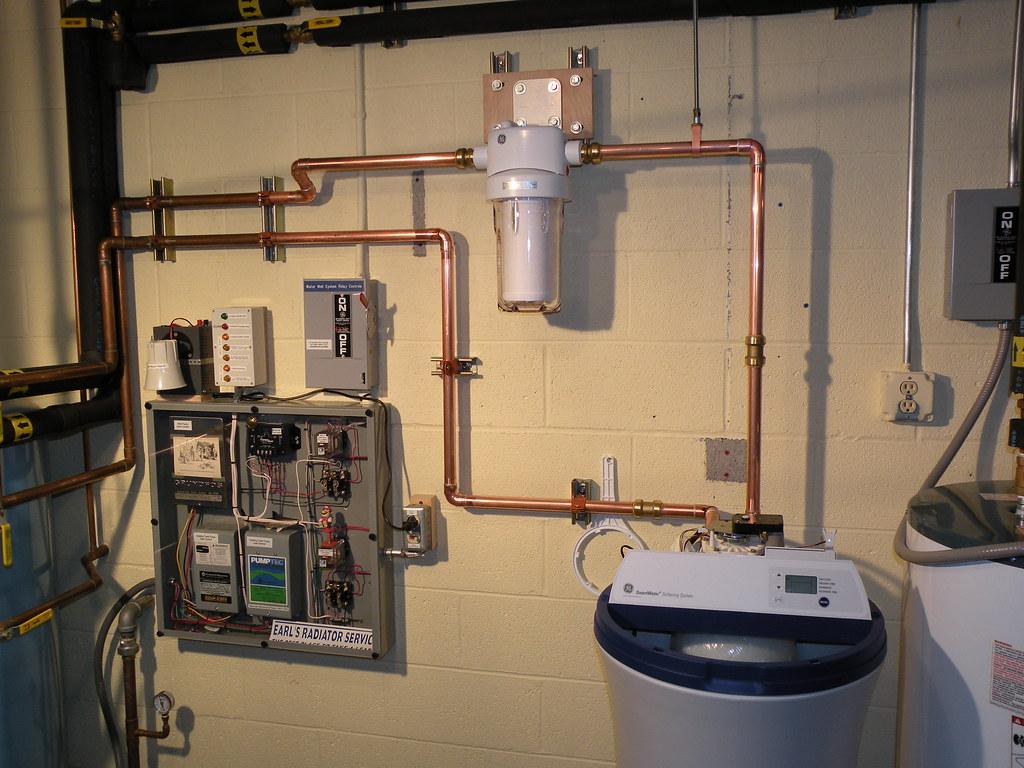
Hard water can be a nuisance, leading to scale buildup in your pipes, reducing the efficiency of your appliances, and even affecting your skin and hair. A residential water softener can address these issues by removing minerals like calcium and magnesium from your water supply. But with so many options on the market, how do you choose the right one for your home? Here's a comprehensive guide to help you make an informed decision.
1. Determine Your Water Hardness Level
The first step in choosing a water softener is understanding your water's hardness level. You can either purchase a water hardness test kit or contact your local water supplier for this information. Water hardness is typically measured in grains per gallon (GPG) or parts per million (PPM). Here's a general guide:
- Soft water: 0-3 GPG
- Slightly hard water: 4-7 GPG
- Moderately hard water: 7-10 GPG
- Hard water: 11-14 GPG
- Very hard water: 15+ GPG
Knowing your water hardness will help you select a system that effectively treats your water.
2. Calculate Your Household Water Usage
To ensure your water softener can handle your household's water needs, estimate your daily water usage. A general rule of thumb is that each person uses about 75-100 gallons of water daily. Multiply this by the number of people in your household to get an approximate daily water usage figure. This information will help you choose a water softener with the appropriate capacity.
3. Understand the Types of Water Softeners
There are several types of water softeners available, each with its own advantages and disadvantages:
- Salt-Based Ion Exchange Softeners: These are the most common and effective systems. They use resin beads charged with sodium ions to exchange hardness minerals in the water. They require regular maintenance, including adding salt and periodic regeneration.
- Salt-Free Water Softeners: These systems use a template-assisted crystallization (TAC) process to condition water. While they don't remove hardness minerals, they prevent them from forming scale. They're maintenance-free and environmentally friendly but may be less effective in hard water conditions.
- Dual-Tank Water Softeners: Ideal for large households or homes with high water usage, these systems have two resin tanks to ensure a continuous supply of soft water, even during regeneration cycles.
- Magnetic and Electronic Descalers: These devices use magnetic or electronic fields to alter the properties of hardness minerals, preventing scale formation. They're easy to install and maintenance-free but may not be as effective as traditional softeners.
4. Consider Your Budget
Water softeners vary widely in price, from a few hundred to several thousand dollars. Consider the initial purchase and ongoing maintenance expenses, such as salt for ion exchange systems or replacement filters for other types. While staying within your budget is important, investing in a higher-quality system can lead to better performance and longevity.
5. Check for Certifications and Efficiency
Look for water softeners certified by reputable organizations, such as the Water Quality Association (WQA) or NSF International. These certifications ensure the system meets industry standards for performance and safety. Additionally, the system's water and salt usage efficiency should be considered. High-efficiency models can save you money in the long run by reducing operational costs.
6. Evaluate the System's Features
Modern water softeners have various features that enhance their performance and convenience. Some features to consider include:
- Digital Control Panels: Easy-to-use interfaces that allow you to monitor and adjust settings.
- Regeneration Options: Timed or demand-initiated regeneration cycles that optimize salt and water usage.
- Size and Footprint: Ensure the system fits in your designated installation space.
- Warranty and Support: A good warranty and responsive customer support can provide peace of mind and assistance if issues arise.
7. Professional Installation vs. DIY
Decide whether you'll install the water softener yourself or hire a professional. While some systems are designed for easy DIY installation, others may require plumbing expertise. Professional installation can ensure the system is set up correctly and may include additional services like water testing and calibration.
Conclusion
Choosing the right residential water softener involves assessing your water hardness, household water usage, budget, and specific needs. By understanding the different types of water softeners and evaluating their features, you can select a system that will provide your home with soft, high-quality water. Investing in the right water softener will protect your plumbing, extend the life of your appliances, and improve your overall water experience.