
Childhood is a precious time and meant for joy and innocence. But some children face childhood and developmental trauma with lasting effects. This is an experience that leaves a deep and lasting emotional scar on the psyche of a child and evokes fear. It typically occurs because of a variety of sources, including abuse, accidents, neglect, and many others.
These traumas are commonly characterised by violent, frightening, or dangerous events that happen between 0 and 18 years of age in a child’s life. These events are associated with a greater risk of anxiety, depression, PTSD, alcohol and substance use disorders, and even antisocial behaviours. This article explores the common types and key signs of this trauma in a child’s life. Please read the article till the end for a detailed breakdown.
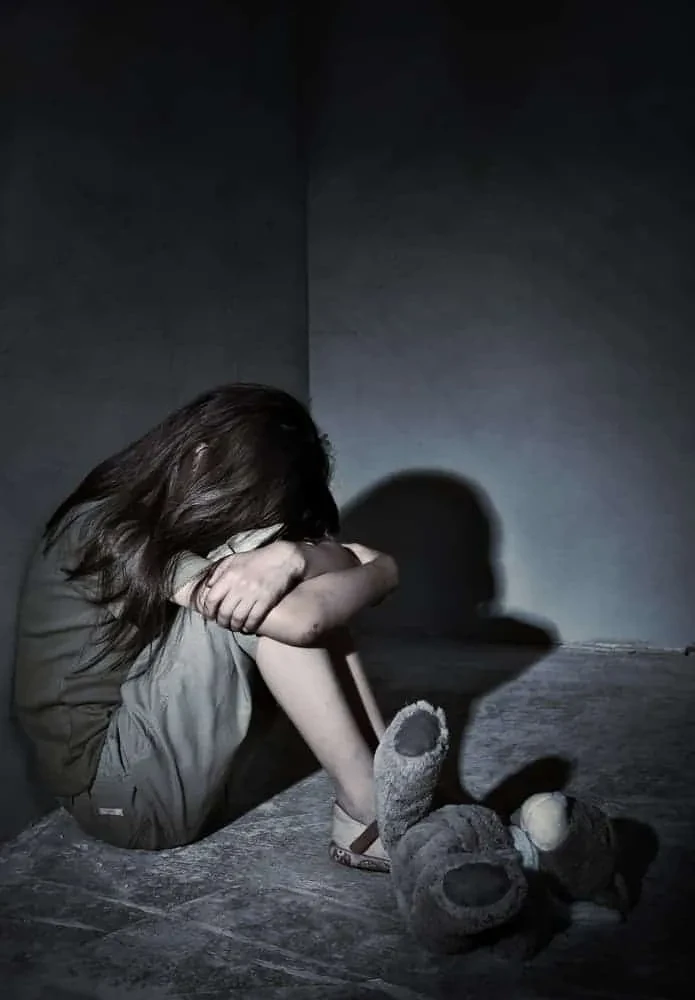
Types of Childhood and Developmental Trauma
Physical Abuse
It involves deliberately causing physical harm to a child. Hitting, kicking, punching, shaking, burning, and other forms of physical abuse can create feelings of fear and insecurity. They may also become constantly alert to the potential danger.
Sexual Abuse
Sexual abuse occurs when a child is exposed to sexual contact or behaviour that they cannot consent to or understand. It involves any sexual activity forced upon a child, including molestation, rape, or exploitation. These come with significant emotional and psychological consequences, including fear, shame, confusion, and major difficulties with relationships later in life.
Emotional Abuse
It includes emotional assaults, threats, rejection, and constant criticism. All of these slowly erode a child's sense of self-worth or emotional security. Over time, they start to believe that they are inadequate or unwanted.
Neglect
When the basic physical and emotional needs of a child are consistently unmet, it is another type of childhood and developmental trauma. This may include inadequate food, clothing, supervision, healthcare, education, affection, or emotional support. It can interfere with a child's healthy development and ability to feel secure.
Witnessing Violence
Witnessing domestic or community violence can also traumatise kids, even if they are not directly involved. These events can create ongoing feelings of fear and uncertainty.
Signs of Childhood and Developmental Trauma
-
Sudden Changes in Behaviour: A confident kid may become aggressive, withdrawn, quiet, or fearful. Changes in eating, sleeping, socialising, or daily routines indicate emotional distress.
-
Sadness, Anxiety, or Fear: Persistent sadness, anxiety, irritability, fearfulness, or emotional outbursts may occur after traumatic experiences.
-
Difficulty in Trusting Others: Trauma can make it difficult for children to feel safe with others. They may become suspicious, avoid close relationships, or fear abandonment.
-
Physical Complaints: Headaches, stomach aches, fatigue, or other unexplained physical complaints can sometimes accompany emotional distress.
-
Poor Academic Performance: Concentration and memory can be affected by ongoing stress. If your studious child experiences declining grades, difficulty completing work, or reduced participation, it might be a sign.
-
Nightmares or Intrusive Thoughts: Your kid may experience nightmares, upsetting memories, frightening thoughts, or strong emotional reactions to reminders of the traumatic event.
Have you ever noticed one of these signs in your child? If yes, he or she might be suffering from childhood and developmental trauma. Contact Jackie Maher Psychotherapy to get the right support at the right time. Feel free to get in touch. Visit jackiemaherpsychotherapy.com for further details.