
Introduction
Few topics in natural wellness have generated as much scientific curiosity as cannabinoids. These naturally occurring chemical compounds, found primarily in the hemp and cannabis plant, interact with a complex biological system in the human body in ways that researchers are still working to fully understand. For anyone exploring the world of CBD products or simply trying to make more informed health choices, understanding what cannabinoids are and how they function is a genuinely useful starting point.
Defining Cannabinoids
Cannabinoids are a class of chemical compounds that interact with cannabinoid receptors found throughout the human body and brain. The cannabis and hemp plants produce over a hundred distinct cannabinoids, each with slightly different properties and effects. The most widely known are cannabidiol (CBD) and tetrahydrocannabinol (THC), though others such as CBG, CBN, and CBC are also gaining attention in research and wellness communities. Each compound has its own profile of potential benefits and its own way of interacting with the body.
The Endocannabinoid System Explained
To understand why cannabinoids matter, one must understand the endocannabinoid system. This is a regulatory network of receptors and signalling molecules that runs throughout the body, influencing processes such as pain perception, inflammation, mood, appetite, and immune response. The body actually produces its own cannabinoids, known as endocannabinoids, to keep this system functioning. Plant-derived cannabinoids from hemp interact with this same system, which is why they can have such broad and varied effects on how a person feels.
CBD Versus THC
Within the world of cannabinoids, the distinction between CBD and THC is crucial for consumers. THC is the compound responsible for the psychoactive effect associated with cannabis use. CBD, by contrast, does not produce any intoxicating effect and is widely used as a daily wellness supplement. In the United Kingdom, CBD products are legal provided they contain no more than 0.2 percent THC, which ensures that they can be sold and consumed without any of the associated concerns around impairment.
The Potential of Minor Cannabinoids
Beyond CBD and THC, the minor cannabinoids are drawing increasing attention. CBG, sometimes called the mother cannabinoid because it is a precursor to other compounds, is being studied for its potential anti-inflammatory and neuroprotective properties. CBN is associated with sedative-like qualities and is often found in aged hemp. CBC has shown potential in relation to mood support. As our understanding deepens, these lesser-known compounds are becoming an important part of the broader cannabinoid conversation.
Full Spectrum Versus Isolate Products
When shopping for CBD products, the distinction between full spectrum and isolate formulations relates directly to cannabinoids. A full spectrum product contains multiple cannabinoids alongside other plant compounds such as terpenes and flavonoids, which are thought to work together in what is known as the entourage effect. An isolate product contains CBD alone, with no other cannabinoids present. Both have their place depending on individual preferences and needs.
Choosing Products With Cannabinoid Transparency
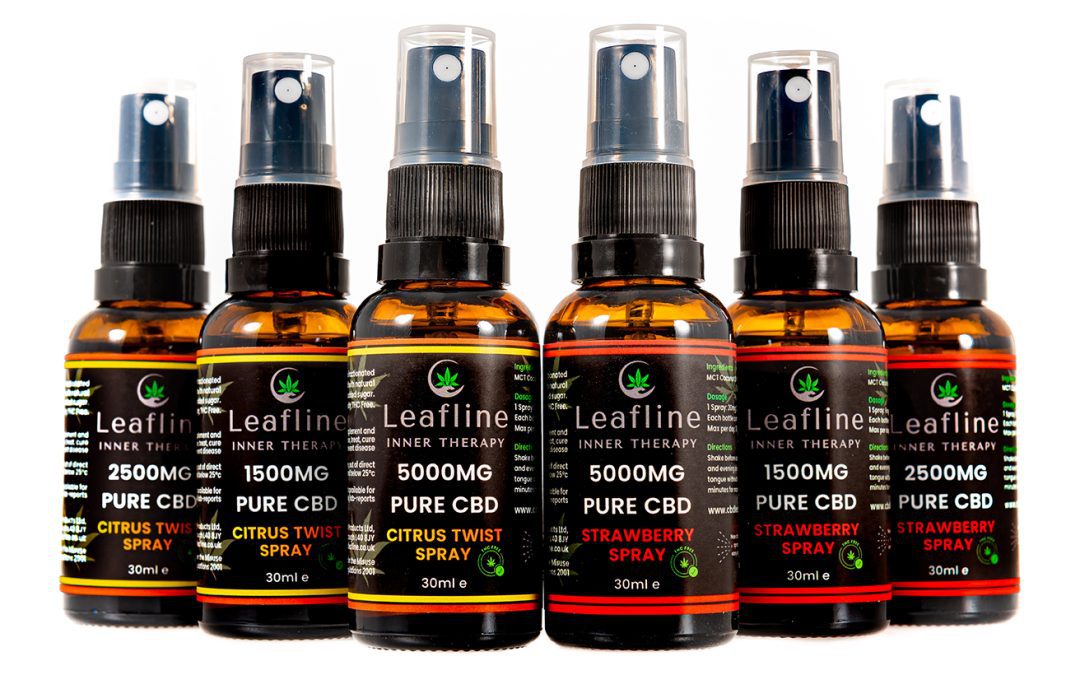
For consumers, it is vital to choose CBD products from suppliers who can demonstrate exactly what cannabinoids their products contain through third-party laboratory testing. CBD Leafline publishes lab reports freely on their website, allowing customers to verify cannabinoid content before purchasing. This level of transparency is a mark of quality that responsible buyers should expect from any reputable supplier.
Conclusion
Understanding cannabinoids is the foundation upon which informed CBD use is built. From the endocannabinoid system to the difference between major and minor compounds, this knowledge empowers consumers to make better choices. As research continues to evolve, cannabinoids are expected to remain a central area of interest in both scientific study and natural wellness.