
Designing an effective fire detection system starts with proper smoke detector spacing. Correct placement ensures timely detection, reduces false alarms, and supports compliance with safety codes. In modern building projects, accuracy is essential because even one misplaced detector can affect system reliability. This is why many professionals now turn to digital tools and automation for faster and more precise layouts. Today, Fire Alarm Design Software makes it easier than ever to calculate smoke detector spacing without relying on slow manual methods.
Whether you are working on a commercial building, hospital, warehouse, school, or residential project, automated spacing calculations help you save time, reduce errors, and deliver better fire safety outcomes. This blog explains how to calculate smoke detector spacing automatically using software, what factors influence spacing, and why automation is becoming the preferred method for fire protection engineers and designers.
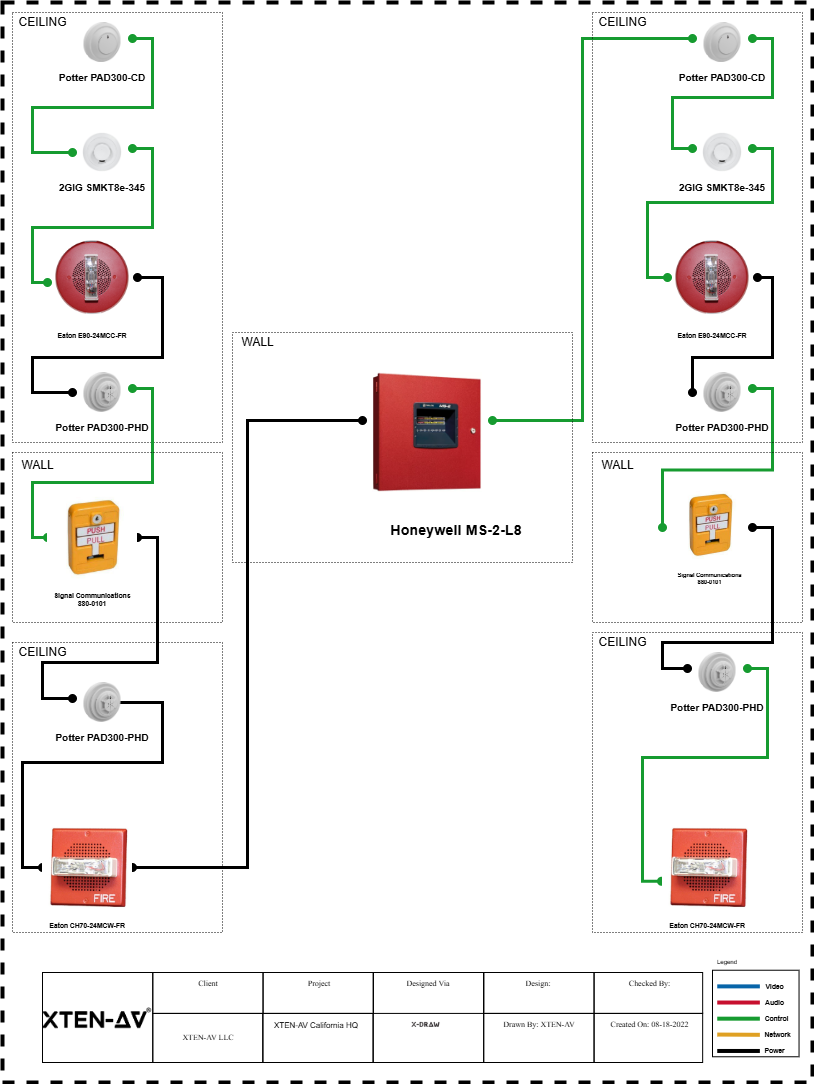
Why accurate smoke detector spacing matters
Smoke detectors must be placed strategically to detect smoke as early as possible. Poor spacing can cause delays in alarm activation, limit coverage, or create dead zones. Building codes also require specific spacing rules that designers must follow to ensure compliance. Automated spacing calculations help in several ways.
They provide consistency across floors and buildings.
They reduce human error when applying spacing formulas.
They help designers confirm that each detector meets code requirements.
They save significant time in drafting and layout tasks.
They generate reports to support approvals and documentation.
Using Fire Alarm Design Software ensures that spacing is handled correctly from the start of the design process.
Factors that influence smoke detector spacing
Automatic spacing tools consider many variables that designers often need to calculate manually. Some of the most important factors include the following.
Building layout
Room geometry
Ceiling height
Ventilation patterns
Obstructions such as beams or ducts
Ceiling type such as flat, sloped, or beamed
Applicable codes like NFPA 72 or local guidelines
Different rules apply depending on these conditions. For example, NFPA 72 typically uses a base spacing of 30 feet for spot type smoke detectors under normal environments. However, this can change if the room is small, the ceiling is high, or airflow affects smoke movement.
Manual calculations require designers to check all these conditions carefully for each room. Automated calculation tools do this instantly.
How automation helps calculate smoke detector spacing
Fire Alarm Design Software automates spacing by using preset algorithms based on code standards. When you upload or draw the building floor plan in the software, the tool analyzes the space and automatically recommends detector positions. Here is how it works.
1. Import or create the floor plan
You can upload a PDF, CAD drawing, or image of the building layout. Some software solutions also let you draw rooms manually. Once the layout is ready, the software reads the room boundaries and ceiling structure.
2. Set your design rules
The software allows you to choose the applicable standard such as NFPA 72 or EN guidelines. You can also set custom spacing values if the project requires unique specifications.
3. Identify ceiling conditions
If a room has a flat ceiling, spacing is simpler. For sloped or beamed ceilings, the software adjusts spacing rules automatically. It calculates beam depth, slope angle, and obstruction impact.
4. Automatic placement of smoke detectors
Once the rules and layout are set, the software calculates detector spacing with algorithms. It considers room size, ceiling height, and obstructions. The detector icons are then placed on the drawing automatically.
5. Optimization and adjustments
Many advanced tools allow you to adjust room dimensions, ceiling types, or mounting rules. As soon as changes are made, the spacing updates instantly. This saves hours of manual recalculations.
6. Generate reports and export drawings
When the design is complete, you can export CAD or PDF layouts for submission. Reports typically include spacing tables, detector lists, and code references.
Benefits of calculating smoke detector spacing automatically
There are several advantages to using automated tools for spacing calculations.
1. Speed and efficiency
Manual spacing calculations can take hours, especially for complex buildings. Automation completes the same task in seconds.
2. Reduced human error
Incorrect spacing can lead to code violations or unsafe designs. Automated calculations remove guesswork and ensure uniformity.
3. Code compliance
Using Fire Alarm Design Software ensures that every detector meets standards. Built in code checks help designers avoid costly revisions.
4. Better project workflow
When spacing is automated, designers can focus on other aspects like device selection, circuit routing, and documentation. This improves the entire fire alarm design process.
5. Professional quality output
Automated tools produce clean drawings, accurate symbols, and detailed reports suitable for client presentations and authority approvals.
Practical tips when using software to calculate spacing
Even with automation, designers should follow some best practices.
Verify ceiling heights before starting.
Check if rooms have complex ventilation patterns that may influence smoke movement.
Always confirm the chosen design standard NFPA, EN, or local code.
Review automated detector placements and make manual adjustments where needed.
Share the design with stakeholders early to avoid rework.
Keep your software updated to access new features and rules.
Why XTEN AV is preferred for automated spacing
XTEN AV offers modern cloud based tools that simplify fire alarm design workflows. It supports automated spacing for smoke detectors based on global standards. The platform includes smart drawing features, device libraries, and code compliant algorithms. Many designers choose it because it makes the entire process faster, more intuitive, and highly accurate. For projects that require precision and speed, XTEN AV is a reliable solution.
Conclusion
Calculating smoke detector spacing manually can be time consuming and prone to mistakes. With the advancements in Fire Alarm Design Software, automation has become the best method to ensure accurate placement. Automated tools analyze room geometry, apply spacing rules, and instantly generate code compliant layouts. This not only improves safety but also streamlines design workflows. By using platforms like XTEN AV, fire alarm designers can deliver fast, accurate, and professional results across all project types.
Read more: https://bexopro.com/read-blog/49565