
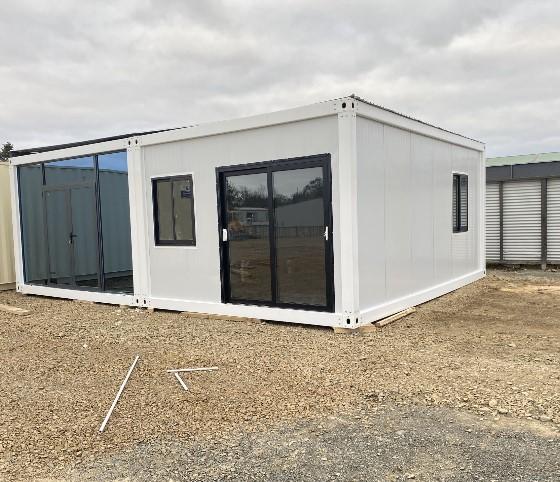
Portable cabins are becoming one of the most popular housing and lifestyle solutions in New Zealand. Whether you need extra accommodation for family, a private home office, a sleepout for teenagers, or even a temporary rental unit, a cabin offers flexibility without the cost and complexity of a full home extension.
But before you commit to buying one, there are a number of factors worth considering. Here’s a complete guide to help you make an informed decision.
1. Be Clear About Your Purpose
The first question to ask yourself is why you’re buying a portable cabin.
-
For accommodation: you may need a cabin with insulation, power, and plumbing.
-
For work or study: a simpler office-style cabin may be enough.
-
For investment: a self-contained cabin can serve as an Airbnb or rental.
Knowing your purpose upfront will help you avoid overspending on features you don’t need—or under-investing in essentials.
2. Understand Council Rules and Consent Requirements
One of the most common questions is: Do I need council consent for a portable cabin in NZ?
In many cases, smaller cabins (often under 30m²) don’t require resource consent if they are used as sleepouts or non-self-contained units. However, if you plan to add plumbing, rent it out, or live in it long-term, council approval may be needed. Rules vary across councils, so always check with your local authority to avoid issues later.
3. Explore Different Sizes and Layout Options
Cabins in NZ range from small single-room pods to multi-room layouts. When choosing size:
-
Think about current and future needs.
-
Allow enough space for furniture, storage, and movement.
-
Consider whether you need a verandah or deck for outdoor living.
A well-designed cabin will feel spacious even if the footprint is compact.
4. Check the Quality of Materials and Construction
The New Zealand climate-wet winters, coastal winds, and strong sun-can be tough on buildings. Look for cabins that are:
-
Built with NZ-standard materials
-
Properly insulated for year-round comfort
-
Weather-tight and durable
-
Constructed by a reputable local supplier
A cabin is an investment, so quality should never be compromised.
5. Decide on Key Features and Fit-Outs
Not all cabins come the same. Some are delivered as shells, while others are fully self-contained. Consider whether you need:
-
Kitchen or kitchenette facilities
-
Bathroom and plumbing
-
Heating and cooling options
-
Built-in wardrobes or storage
-
Extra windows for natural light
Adding these at the start is usually easier than upgrading later.
6. Think About Delivery and Site Preparation
Cabins are delivered by truck or trailer and positioned on your property. Before purchase:
-
Check access to your site (driveways, gates, slopes).
-
Ensure the ground is level or prepare foundations.
-
Consider proximity to power and water connections.
Delivery and setup costs can add to your budget, so ask suppliers for a full breakdown.
7. Understand Pricing and Financing Options
Portable cabins are generally more affordable than building or buying a traditional home, but prices vary widely depending on size and features. On average in NZ:
-
Basic sleepouts start from a few thousand dollars.
-
Fully self-contained cabins can range much higher.
Some suppliers also offer:
-
Rent-to-own plans
-
Weekly hire or lease options
-
Flexible financing
This makes cabins accessible for a range of budgets.
8. Consider Long-Term Flexibility
One of the biggest advantages of portable cabins is mobility. Think about:
-
Can the cabin be relocated in the future?
-
Will it add long-term value to your property?
-
Could it be repurposed (office, rental, guest house) later on?
Choosing a versatile design ensures your investment keeps paying off.
9. Compare Suppliers and Warranties
Not all cabin providers are equal. Before signing, research:
-
Customer reviews and testimonials
-
What’s included in the base price
-
Warranty on materials and workmanship
-
After-sales service and support
A trustworthy supplier will provide transparency and long-term confidence.
10. Think About Lifestyle Enhancements
Your cabin doesn’t need to be just four walls. Many owners add:
-
Decking or pergolas
-
Solar panels for off-grid living
-
Landscaping to blend the cabin with the garden
-
Stylish interior finishes for a modern feel
These touches can transform a cabin from simple accommodation into a lifestyle upgrade.
Final Word:
Buying a portable cabin in NZ is an exciting step, but it pays to do your homework first. By understanding council requirements, choosing the right size and features, and working with a reputable supplier, you can enjoy a smart, affordable, and flexible space that suits your lifestyle for years to come.