
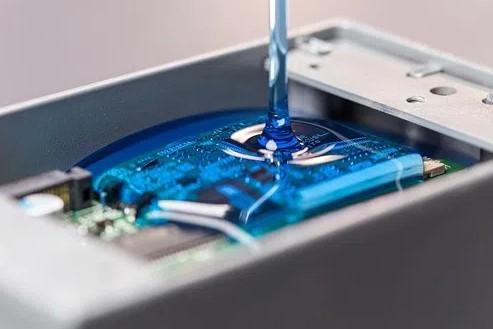
In the realm of modern electronics, printed circuit boards (PCBs) are the foundational elements that enable the functionality of a vast array of devices. From consumer gadgets to industrial machinery, PCBs must operate reliably under various conditions.
PCB potting compound play a crucial role in enhancing the durability and performance of these critical components by providing robust protection against environmental and mechanical stressors.
What Are PCB Potting Compounds?
PCB potting compounds are materials used to encapsulate electronic components on a circuit board. This process involves covering the entire assembly with a protective substance that hardens to form a solid barrier. The most commonly used potting materials include epoxy, polyurethane, and silicone.
Each material offers unique properties suited to different applications and environments, ensuring optimal protection for PCBs.
Key Benefits of PCB Potting Compounds
-
Protection from Moisture and Contaminants: Moisture and contaminants can wreak havoc on electronic components, leading to corrosion, short circuits, and ultimately, device failure. Potting compounds create an impermeable seal around the PCB, protecting it from moisture, dust, and other harmful substances. This protection is particularly vital in environments where electronics are exposed to water or high humidity.
-
Thermal Management: Electronic devices generate heat during operation, which can adversely affect their performance and lifespan. Potting compounds with good thermal conductivity help dissipate heat away from sensitive components, maintaining safe operating temperatures and preventing overheating. This is especially important in high-power applications where efficient thermal management is crucial.
-
Mechanical Protection: PCBs are often subjected to mechanical stressors such as vibrations, shocks, and physical impacts. Potting compounds provide mechanical reinforcement, absorbing and distributing these forces to prevent damage to delicate components. This mechanical stability is essential in automotive, aerospace, and industrial applications where electronic devices face rigorous conditions.
-
Chemical Resistance: In many industrial environments, electronics are exposed to harsh chemicals and solvents. Potting compounds act as a protective barrier, preventing chemical penetration and preserving the integrity of the PCB. This resistance is vital for maintaining the functionality and reliability of electronics in chemically aggressive settings.
Applications of Potting Compounds
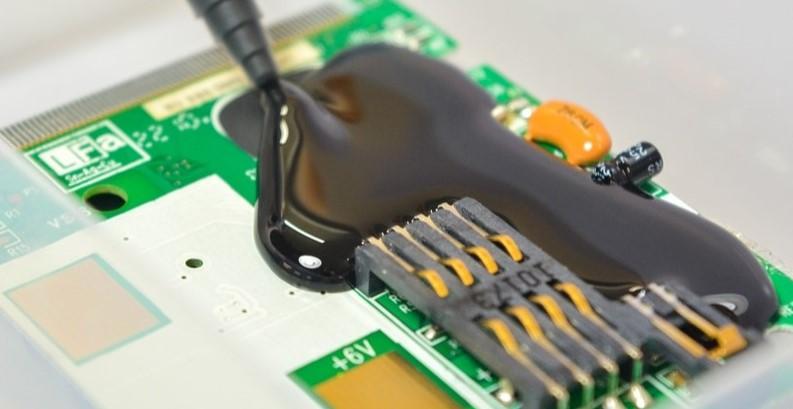
The versatility of potting compounds makes them suitable for a wide range of applications. In the automotive industry, they protect engine control units, sensors, and other critical components from heat, vibration, and chemical exposure.
In aerospace, potting compounds ensure the reliability of navigation and communication systems by providing resistance to extreme temperatures and mechanical stress. Consumer electronics, such as smartphones and wearable devices, also benefit from potting compounds, which enhance durability and water resistance.
Read more: https://www.pottingcompound.com