
In the rapidly expanding world of renewable energy, Solar PV Design plays a pivotal role in determining the performance, reliability, and return on investment of a solar project. One of the most important decisions investors, developers, and businesses must make is choosing the right EPC (Engineering, Procurement, and Construction) approach. Typically, Solar EPC projects can follow two main paths: turnkey (one-stop) or tailored (customized) solutions. Understanding the strengths, limitations, and ideal applications of each approach is crucial for achieving optimal project outcomes.
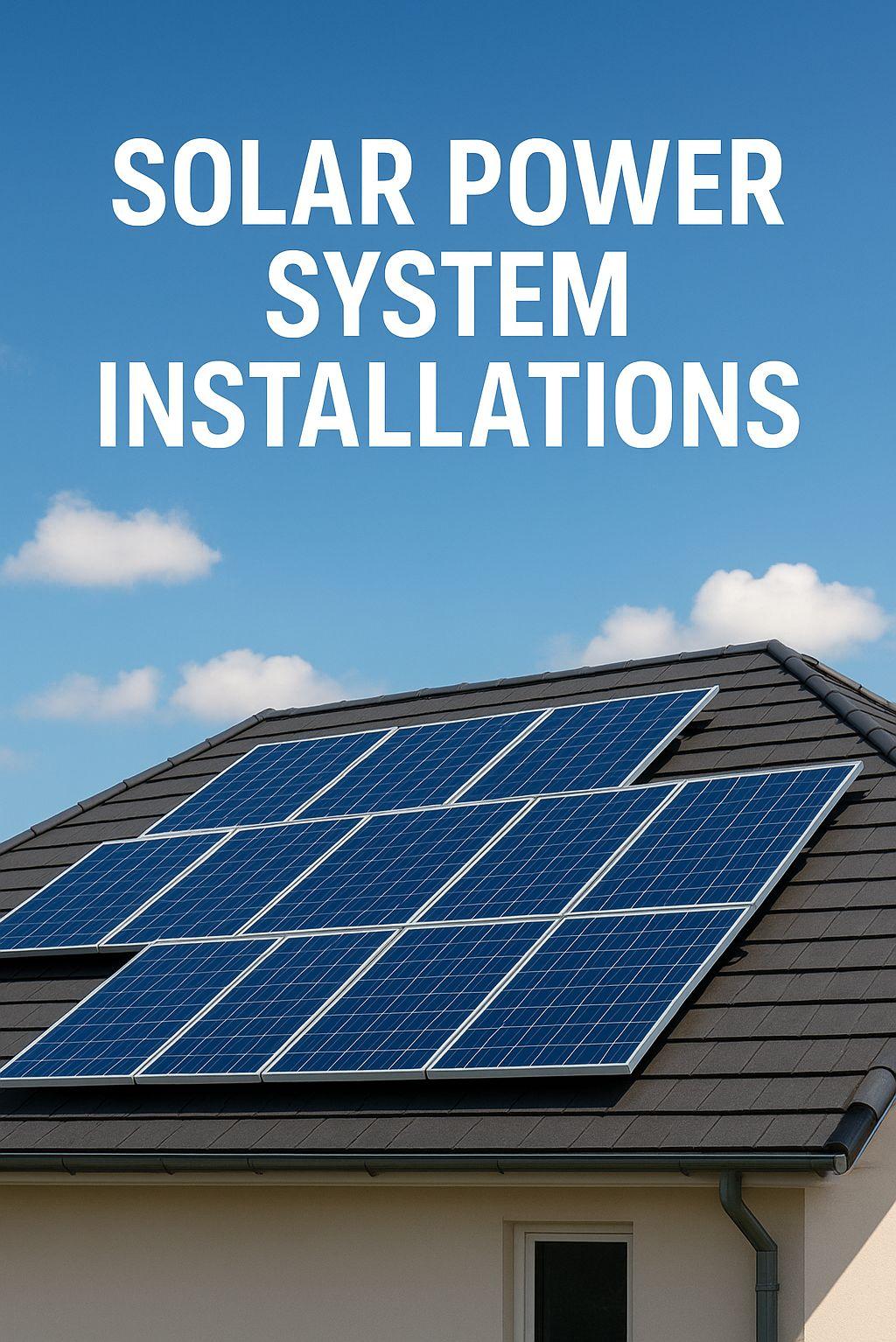
The Turnkey (One-Stop) EPC Model
A turnkey EPC solution involves hiring a single contractor responsible for every stage of the project — from initial feasibility studies and Solar PV system design, to procurement, installation, and commissioning. The EPC provider delivers a fully operational system ready for use, often including performance guarantees and post-installation support.
The key advantage of this approach lies in its simplicity and accountability. With one company managing all aspects, the client benefits from a streamlined process, consistent communication, and reduced coordination risks. This makes turnkey projects ideal for investors or organizations seeking a hassle-free, time-efficient implementation.
Turnkey EPCs are also preferred for large-scale solar farms or corporate rooftop systems where standardization and speed are critical. The integrated design and construction approach minimizes delays, ensures uniform quality, and often leverages economies of scale to reduce costs. Moreover, reputable EPC firms bring extensive experience in Solar PV Design optimization, ensuring that the system is engineered for maximum energy yield and long-term reliability.
However, the turnkey model can limit flexibility. Because the EPC handles all decisions, clients may have less influence over equipment selection, design nuances, or innovative customization. This approach may not suit projects requiring unique technical specifications or integration with existing infrastructure.
The Tailored (Customized) EPC Model
In contrast, a tailored EPC approach allows clients to collaborate closely with multiple specialists — designers, equipment suppliers, and construction teams — to craft a solar system that aligns precisely with their operational goals. This model emphasizes customized Solar PV Design, allowing for fine-tuned system architecture, advanced monitoring integration, and the use of specific components based on performance or brand preferences.
Tailored EPC projects are ideal for complex or hybrid solar installations, such as systems integrating battery storage, microgrids, or unique architectural structures. Clients who prioritize innovation, aesthetics, or advanced technology often favor this model. It provides flexibility in choosing high-efficiency panels, advanced inverters, or customized mounting solutions that may not be available through a standard turnkey package.
The trade-off, however, is increased project management complexity. Coordinating multiple contractors and suppliers requires expertise and oversight, which can lead to longer timelines and higher soft costs if not managed effectively. Nevertheless, for clients with technical teams or consultants experienced in Solar PV Design, this approach can yield exceptional, highly optimized results.
Choosing the Right Approach
The choice between turnkey and tailored EPC models ultimately depends on project scale, complexity, and client priorities. For those seeking speed, simplicity, and guaranteed performance, the turnkey EPC path offers peace of mind. For clients aiming for innovation, precision, and full control over system performance, a tailored EPC delivers greater flexibility and customization.
In every case, success begins with expert Solar PV Design — the foundation that ensures every panel, inverter, and connection works in harmony to deliver clean, efficient, and sustainable energy for decades to come.