
Most riders who enjoy their Apache on their daily commute or weekend highway cruises never set foot on a circuit, yet the bike underneath them owes a great deal to one. That connection between racing and road riding is worth understanding properly.
A Programme Built Over Four Decades
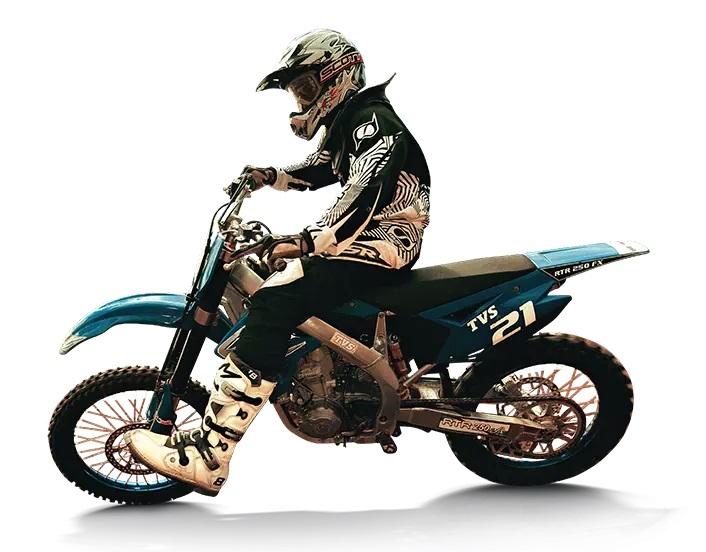
TVS Racing was founded in 1982, making it India’s first factory racing team with over four decades of track history. In 1994, TVS pioneered the One Make Championship format in India, embedding its "Track to Road" philosophy deep within its engineering culture. This persistent focus on racing technology has yielded breakthroughs in aerodynamics, light-alloy frames, and race-tuned slipper clutches. Engineers working on production bikes regularly draw from data gathered during competitive motorcycle racing seasons, feeding chassis tuning, braking calibration and even ergonomic decisions back into models riders can buy at a showroom. This is not a marketing slogan applied after the fact; it genuinely shapes engineering priorities from an early stage to ensure every Apache delivers exceptional stability and precise handling.
Developing Riders, Not Just Machines
Through the TVS India One Make Championship, thousands of riders have been trained across categories including Rookie, Women's, Media and Expert divisions since the programme began. This structured approach to bike racing has helped democratise access to competitive riding in India, giving newcomers professional track exposure and mentorship they would rarely find otherwise. By cultivating a disciplined talent pool, the factory team gains diverse riding data across varying skill levels. The programme's longevity says something meaningful about its credibility, since a purely promotional initiative would struggle to sustain genuine rider development across three decades.
Where the Learning Actually Shows Up
Riders who have owned successive generations of the Apache often mention how each update feels more refined rather than simply more powerful, and this is largely down to racing feedback loops. Suspension tuning, throttle mapping, glide-through-traffic technology, and even the positioning of switchgear has all been influenced by feedback from riders competing at national and international motorsport events. These fine adjustments directly improve urban ride quality and high-speed cornering stability. That continuous feedback separates genuinely race-informed engineering from bikes that merely borrow aggressive styling without any real performance pedigree behind it.
Expanding Beyond India's Borders
TVS Racing has also taken this approach internationally, launching the TVS Asia One Make Championship and introducing electric racing through its e-OMC series featuring the custom race-spec Apache RTE. This global expansion reflects growing confidence in the company's racing capability, and it also means lessons learned across different track conditions and rider styles continue feeding back into the wider product range, benefiting everyday riders who may never compete themselves. As EV mobility evolves, track testing under high stress helps refine thermal management and battery efficiency for upcoming electric road vehicles.
What makes TVS Racing genuinely interesting is not just its trophy count, or its podium finishes in international events, but how consistently it translates competitive experience into tangible road bike improvements. For riders considering an Apache, this racing heritage represents something more substantial than badge value; it reflects decades of applied, real-world engineering refinement that elevates every single ride.