
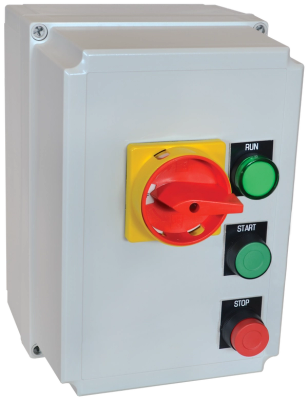
Direct On-Line (DOL) starters play a crucial role in motor control systems, offering straightforward yet effective methods for starting and stopping electric motors. This blog delves into the workings, components, advantages, applications, comparisons with other starters, maintenance tips, and more regarding DOL starters.
Introduction to DOL Starters
In the realm of motor control, Direct On-Line (DOL) starters are widely recognized for their simplicity and reliability. They provide a direct connection to the power supply, allowing motors to start quickly at full voltage and full speed without the need for complex electronic controls.
How DOL Starters Work
The operation of a DOL starter is relatively straightforward. When initiated, typically by pressing a start button, the starter's contactor closes, establishing a direct electrical path from the power source to the motor. This direct connection enables the motor to receive full voltage and torque instantaneously, facilitating rapid startup. An overload relay, another integral component of the DOL starter, protects the motor from overheating by monitoring current flow. If the current exceeds preset limits due to factors like mechanical overload or electrical faults, the overload relay trips and interrupts power to the motor, preventing damage.
Key Components of a DOL Starter
A typical DOL starter consists of several key components:
-
Contactor: Acts as a switch to connect and disconnect the motor from the power supply.
-
Overload Relay: Monitors motor current to prevent overheating and damage.
-
Start and Stop Push Buttons: Manual controls used to initiate or halt motor operation.
These components work in tandem to ensure safe and reliable motor starting and stopping operations in various industrial and commercial applications.
Advantages of Using DOL Starters
Employing DOL starters offers several advantages:
-
Simplicity: DOL starters are easy to install and operate, making them suitable for applications where simplicity is preferred.
-
Cost-Effectiveness: They are generally less expensive than more complex starter types, making them a cost-effective choice for many motor control needs.
-
Reliability: With fewer components and simpler operation, DOL starters are robust and dependable, requiring minimal maintenance.
Applications of DOL Starters in Various Industries
DOL starters find widespread use across diverse industries, including:
-
Manufacturing: Used in conveyor systems, pumps, compressors, and other industrial machinery.
-
Agriculture: Applied in irrigation systems, grain handling equipment, and agricultural machinery.
-
Construction: Utilized in cranes, hoists, and various construction equipment.
-
Commercial: Found in HVAC systems, water pumps, fans, and other commercial appliances.
The versatility and reliability of DOL starters make them indispensable for powering electric motors in numerous industrial and commercial settings.
Comparing DOL Starters with Other Types of Starters
While DOL starters offer simplicity and cost-effectiveness, they differ from other starter types in functionality and application:
-
Star-Delta Starters: Ideal for reducing inrush current during motor starting, making them suitable for large motors where limiting starting current is critical.
-
Soft Starters: Provide gradual acceleration and deceleration of motors, reducing mechanical stress and wear, suitable for applications requiring precise speed control and smooth operation.
Choosing between DOL starters and other types depends on factors such as motor size, starting requirements, and operational preferences, with each starter type offering distinct advantages based on specific application needs.
Maintenance Tips for DOL Starters
To ensure optimal performance and longevity of DOL starters, regular maintenance is essential:
-
Inspect Electrical Connections: Check for loose connections, corrosion, or signs of overheating.
-
Verify Overload Settings: Periodically test and adjust overload relay settings to match motor specifications and operating conditions.
-
Clean and Lubricate: Keep contactor contacts clean and lubricate moving parts to prevent friction and ensure smooth operation.
-
Monitor Motor Performance: Regularly monitor motor performance and temperature to detect any anomalies that may indicate potential issues.
Proper maintenance practices help extend the lifespan of DOL starters, minimize downtime, and ensure reliable motor operation in industrial and commercial environments.
Conclusion
Direct On-Line (DOL) starters represent a fundamental and widely used method for controlling electric motors, offering simplicity, reliability, and cost-effectiveness. Understanding their components, advantages, applications across various industries, comparisons with other starter types, and maintenance requirements is essential for making informed decisions in motor control applications.
By integrating DOL starters into motor control systems, industries can benefit from efficient motor starting, reduced downtime, and enhanced equipment longevity. Whether in manufacturing, agriculture, construction, or commercial settings, DOL starters continue to play a pivotal role in powering essential machinery and equipment.