
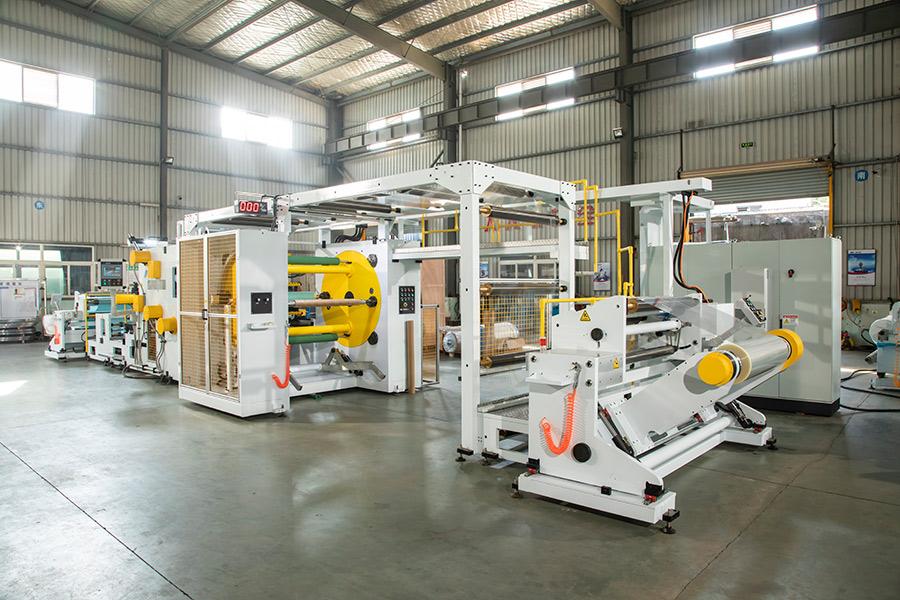
What are Adhesive Coatings?
Adhesive coatings, also known as adhesive films, are liquid or semi-liquid materials that are applied as thin layers to bond two surfaces together. When the coating dries or cures, it hardens and forms durable chemical and mechanical bonds between the surfaces. Adhesive coatings can be applied to a variety of materials including wood, glass, plastic, metal and more. Some key characteristics of adhesive coatings include:
- Wide range of bonding capabilities - Adhesives can bond many combinations of different materials together.
- Thin application - Coatings are applied in thin, uniform layers which minimizes material usage.
- Fast setting - Many adhesives dry or cure quickly, allowing bonded parts to be handled soon after application.
- Durable long-term bonds - Once set, adhesive coatings form strong bonds that can withstand environmental exposures and stresses over long periods of time.
- Replace mechanical fasteners - Adhesives can be used instead of screws, bolts and welds in many applications.
Common Types of Adhesive Coatings
There are many different types of Adhesive Coatings available to suit various bonding applications. Some of the most commonly used adhesive coating types include:
- Acrylic adhesives - Known for excellent bonding to many surfaces including porous materials. Often used for crafts, woodworking and construction.
- Epoxy adhesives - Form extremely strong, durable bonds. Ideal for bonding dissimilar materials and for withstanding high temperatures and pressures.
- Polyurethane adhesives - Very flexible adhesives offering vibration damping. Used for bonding composites, gaskets, packaging materials and more.
- Silicone adhesives - Withstand high and low temperatures. Excellent for sealing and gasketing. Used in industrial, electronics and construction applications.
- Rubber/based adhesives - Provide impact and shock resistance. Used for transport vehicle body assemblies, footwear and general bonding.
- Hot melt adhesives - Apply as hot liquified coatings and quickly set on cooling. Used for packaging, bookbinding, woodworking and more.
Application Methods for Adhesive Coatings
There are several common techniques used to apply adhesive coatings to bond materials:
- Brushing - Manually applying the coating to surfaces using brushes of various sizes. Effective for smaller areas or detailed work.
- Rolling - Spreading the adhesive evenly over large surface areas using adhesive-coated rollers. Frequently used in wood flooring, laminating and wallpaper applications.
- Spraying - Pressurized spray application of liquid or powder coatings using spray guns. Used for large industrial production and for applying coatings that dry quickly.
- Doctor blade - Using a scraping device to wipe a metered thickness of adhesive from a reservoir onto a substrate moving beneath. Common for high-volume composite bonding.
- Screen printing - Printing adhesive patterns or images through screens. Primarily used in graphics arts applications.
- Dip coating - Immersing parts into a liquid adhesive bath so the surfaces get uniformly coated. Used for industrial part production.
Future Applications and Advances
As adhesive technology continues to evolve, new applications and formulations are expanding the capabilities of adhesive coatings. Some emerging trends and developments include:
- Increased usage in automotive manufacturing - Modern vehicles use significant amounts of adhesives for lightweight body assembly and aesthetic features. Electric vehicles may lead to further adhesive usage.
- Growth in consumer adhesive products - Formulated for ease of DIY home projects like repairs, crafts, or other bonding tasks. Growth driven by growing DIY market.
- Adhesive substitutions - New adhesive formulations can sometimes replace traditional mechanical fasteners, welding, and other joining methods in certain applications.
- Bio-based and sustainable adhesives - Adhesives made from agricultural and plant-based renewable materials see increased development and usage due to sustainability advantages.
- Advanced application methods - Methods like robotic part dispensing and in-line coating systems boost production throughput for industrial mass lamination, encapsulation and other processes.
- Intelligent adhesives - Formulations incorporated with sensors create "smart" adhesives able to detect stresses or environmental conditions for applications like structural health monitoring.
adhesive coating technologies continue to improve bonding performance for existing applications while also enabling new product designs across many industries. As formulation science and application methods progress further, adhesive coatings will likely play an ever more essential role in manufacturing assembly and product design.
Get This Report in Japanese Language - 接着剤コーティング
Get This Report in Korean Language -접착 코팅
About Author:
Priya Pandey is a dynamic and passionate editor with over three years of expertise in content editing and proofreading. Holding a bachelor's degree in biotechnology, Priya has a knack for making the content engaging. Her diverse portfolio includes editing documents across different industries, including food and beverages, information and technology, healthcare, chemical and materials, etc. Priya's meticulous attention to detail and commitment to excellence make her an invaluable asset in the world of content creation and refinement.
(LinkedIn- https://www.linkedin.com/in/priya-pandey-8417a8173/)