
Introduction:
Emerald is a precious gemstone that belongs to the beryl mineral family, along with other popular gemstones such as aquamarine and morganite. Its vivid green color is caused by the presence of chromium and vanadium in its crystal structure. The emerald is one of the most valued gemstones in the world, and its popularity dates back to ancient times. This article will discuss the history, properties, and uses of emerald.
History:
Emerald has a long and fascinating history, with the earliest known emerald mines located in Egypt, near the Red Sea. The ancient Egyptians believed that the emerald represented fertility and rebirth and was a symbol of eternal life. They often buried emeralds with their dead and placed them in jewelry worn by high-ranking officials.
The Greeks and Romans also highly valued emerald, and it was often associated with the goddess Venus, who represented love and beauty. Roman emperor Nero was known to watch gladiator fights through a large emerald, which he believed would soothe his eyes.
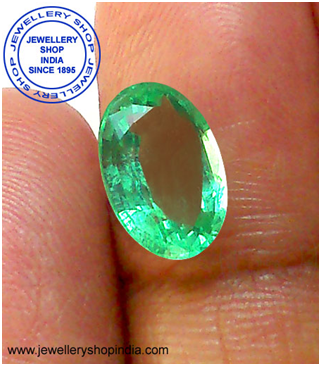
During the middle Ages, emerald continued to be highly valued and was often used in ecclesiastical jewelry. The Spanish conquistadors discovered large emerald deposits in Colombia in the 16th century, which led to an influx of emeralds in Europe. This period is often referred to as the "Emerald Age," with emerald jewelry being highly prized by European royalty.
Properties:
Emeralds are part of the beryl mineral family and are made up of aluminum, beryllium, silicon, and oxygen. Its vivid green color is caused by the presence of chromium and vanadium in its crystal structure. The color can range from a pale green to a deep, rich green. Emeralds with a darker, more intense green color are typically more valuable.
The clarity of emeralds can vary, with inclusions and fractures often present in the gemstone. However, these inclusions can also enhance the beauty of the stone, creating a unique look that is highly prized by some collectors. The Mohs hardness scale rates the emerald at 7.5 to 8, making it a relatively hard gemstone that can withstand daily wear.
Uses:
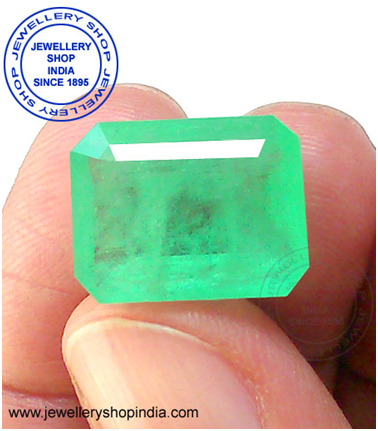
Emeralds are most commonly used in jewelry, with rings, necklaces, and earrings being popular choices. The vivid green color of the emerald makes it a popular gemstone for statement pieces, with larger emeralds often used in high-end jewelry.
Emeralds are also believed to have healing properties, with some people using them in alternative medicine practices. It is believed that emeralds can help soothe the mind and promote emotional balance, making it a popular choice for meditation and spiritual practices.
In addition to jewelry and alternative medicine practices, emeralds are also used in industrial applications. Its hardness and durability make it a popular choice for abrasive materials, and it is also used in electronic components due to its high dielectric constant.
Value:
The value of an emerald is determined by several factors, including color, clarity, and size. Emeralds with a deep, rich green color are typically more valuable than those with a paler color. The clarity of the emerald is also an important factor, with fewer inclusions and fractures increasing the value of the gemstone. Larger emeralds are also typically more valuable than smaller ones.
In addition to these factors, the origin of the emerald can also impact its value. Colombian emeralds are highly prized due to their deep green color and high clarity, while emeralds from Zambia are known for their lighter, bluish-green color.
Conclusion:
Emeralds are a precious gemstone that has been highly valued throughout history. Its vivid green color and unique properties have made it a popular choice for jewelry, alternative.
Visit for us: - emerald stone
Contact Us:-
Johari Bazar, Jaipur - 302003, Rajasthan, INDIA
Phone: +91 9166888883
Mail-id: jewelleryshopindia@gmail.com