
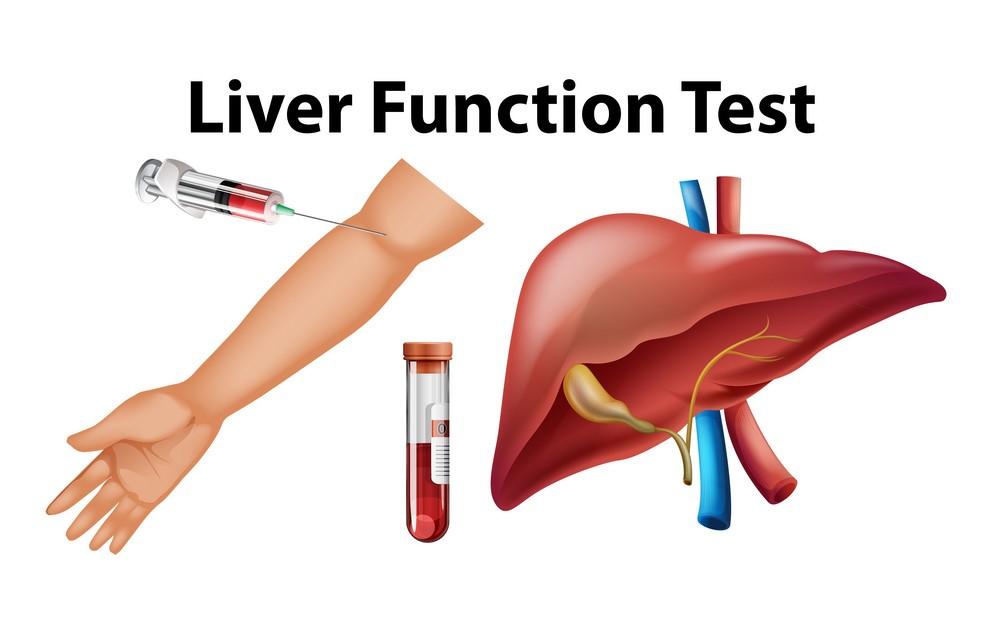
What is a liver function test?
By evaluating the amounts of proteins, liver enzymes, and bilirubin in your blood, liver function test, commonly known as liver chemistries or LFT, can assist in the assessment of the health of your liver. Some of the tests check for enzymes that are only seen in your blood if your liver is damaged or infected. Others examine the organ to ensure that it is functioning properly.
Your liver performs a variety of functions that are critical to your health. It aids in the digestion of food, the cleansing of the blood, the production of proteins, and the storage of energy. You may experience a variety of symptoms, ranging from yellow skin to slurred speech if something goes wrong with the liver. You could require a liver test at that point.
What are the common symptoms of liver disease?
One of the most common liver diseases is hepatitis. Hepatitis A, B, and C are examples of viral hepatitis, which is a category of illnesses that damage the liver. Hepatitis symptoms and treatments vary from person to person. Recreational substances and prescription medicines are two common causes of hepatitis. Hepatitis kinds can be determined by laboratory testing. Some of the common symptoms of hepatitis are:
- Consistent weakness or feeling tired
- Abdominal swelling
- Yellowish skin and eyes
- Vomiting
- Nausea
- Appetite loss or lack of it
What does the liver function test check for?
Based on your symptoms and their severity, the doctor may recommend a liver function test. This diagnostic will check for the following conditions:
- Presence of hepatitis B, hepatitis C, and other liver diseases
- Check for complications of medicines known to harm the liver
- To monitor an existing liver disease and the efficacy of the treatment
- If you exhibit symptoms of a liver disease
- If you have preexisting medical conditions, such as high blood pressure, anemia, or diabetes
- If you are alcoholic or consume excessive alcohol
The findings of these tests may not reveal the specific nature of your disease or the extent of any liver damage, but they may aid your doctor in determining the next steps. The findings will be called to you or discussed with you during a follow-up visit.
In general, if your test results suggest a problem with your liver function, your doctor will go through your medicines and medical history to figure out what's wrong.
You must quit drinking if you consume a lot of alcohol. If your doctor determines that a drug is the cause of your high liver enzymes, they will tell you to stop using it.