
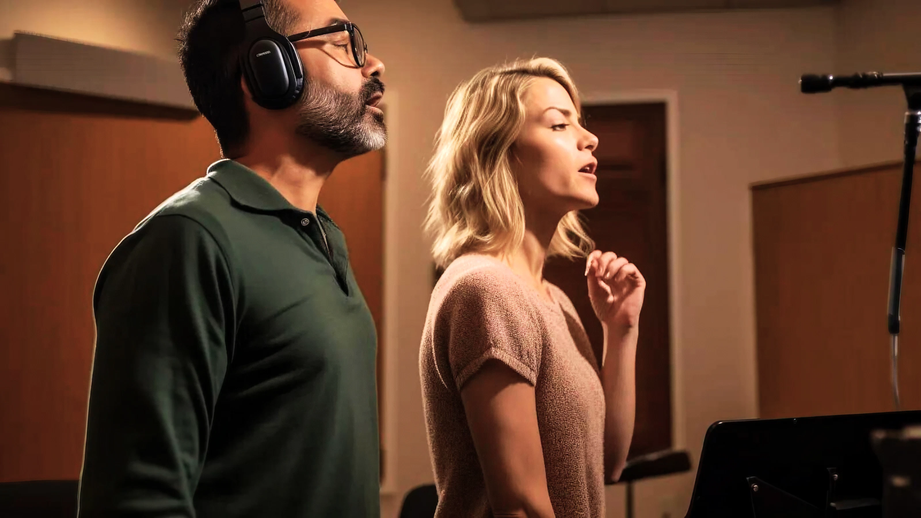
Vocal lessons unfold gradually, not instantly. Discover reasonable 12-week achievements in improving alignment, breath, tone, and basic music literacy through tailored practice. Patient progress persists.
Those seeking vocal lessons often want rapid tangible improvements heard resonating from their vocal instrument seemingly overnight. But genuinely developing lasting technique and artistry relies on gradual, incremental conditioning-building skills over consistent time. What then reasonably constitutes possible and measurable progress within a 12-week concentrated training period?
This comprehensive guide will outline core competencies instructors target first establishing proper alignment, breath, tone, and nascent music literacy amplified through tailored supplemental practice.
|
12 Week Achievements |
Supplemental Practices |
Mindset Tips |
|
Posture/breath gains, tone exploration, music literacy seeds |
Thoughtfully amplify training through daily focused time, reinforcement exercises, assessments |
Measure gradual consistency gains through self-compassion, avoid idealized expectations |
Why We Expect Instant Audible Returns
We live in a culture of impatience - knowledge accessed instantaneously online, fast meals delivered pronto through apps and social media recognition quantified by the minute. This pervasive environment unintentionally conditions false expectations that all goals deserve easy manifestation now without diligent perseverance.
Singing students often share this instinctive urge for rapid transformational results.
Without proper context on the necessary staircase of component mastery, beginners emotionally interpret slow starts as inadequate skill reflecting a lack of innate talent believed permanent. But genuine vocal advancement unfolds through patience appreciating micro-elevation gains built over time, not manifest overnight.
Origins of Instant Gratification Urges
This cultural craving for instant returns traces back to:
- Pervasive technology granting easy access to information/services
- Quantified metrics judging social, financial, and fitness progress
- Consumption of fast entertainment like videos and music
Patience now feels countercultural. But artistry intrinsically resists rush jobs.
Healthy Mindsets Around Progress
Adjusting mental frameworks helps skill building feel uplifting through:
|
Toxic |
Healthy |
|
Seeking overnight success |
Appreciating gradual consistency |
|
Demanding flawless perfection |
Celebrating small measurable gains |
|
Over-scrutinizing errors |
Balancing assessments with gratitude |
|
Envying peer progress |
Focusing on a personal growth trajectory |
|
Feeling incapable of difficulty |
Embracing struggle as a signal for a break |
What Do Vocal Lessons Target Initially?
While each student's developmental journey travels unique terrain, foundational lessons commonly work on:
Posture/Breathing
- Aligning the body to maximize breath capacity without strain
- Activating core/rib muscles supporting controlled expiration
- Allowing adequate oxygen to fuel vocal stamina
Tone Production
- Understanding how sound propagates through the vocal tract
- Discovering mouth positions eliciting resonant timbre
- Anchoring pitches within muscle memory
This gradual installation of new muscular habits takes consistent repetition for assimilation conceptually and then technically. Celebrate tiny detectable progress nudges signaling positive momentum during practice. Those micro gains compound exponentially over time.
Ingraining Lasting Habits
Effective foundational conditioning trains students to:
- Identify precise physical sensations of proper technique
- Recreate successful activation techniques to strengthen awareness
- Increase mind-body connection detecting anatomical micro-adjustments
This heightened physical acuity accelerates technical and expressive development massively over time.
What Reasonably Develops Within 12 Weeks?
While an exact linear timeline remains elusive given variable student dispositions, certain core competencies cultivated during three months of regular meetings generally include:
Alignment/Breath Adjustments
- Increased body awareness detecting areas of excess tension
- Exploration of greater breathing capacity
- Minutes gained singing without fatigue signal progress
Tonal Production Exploration
- Mitigation of prior detrimental grip patterns
- Emerging moments of resonant tone-sounding
- Unearthing optimal vowel shapes brightening or darkening unique voice
Nascent Music Literacy
- Gradual note identification speed gains on staff
- Rhythmic recognition improvement even if counting/clapping
- Attempting sight-reading very simple melodies
Any incremental consistencies signal positive momentum during this crucial foundational period.
Celebrating Small Wins
Even mini signs of progress deserve acknowledgment for fueling motivation like:
- One new high note accessed
- Seconds longer holding a challenging note
- First attempts matching the pitch of basic melodies by ear
- Initial rhythmic taps sound cleanly in time
Everything mighty oaks require first begins with initial seed planting.
Strategically Maximizing These Initial Achievements
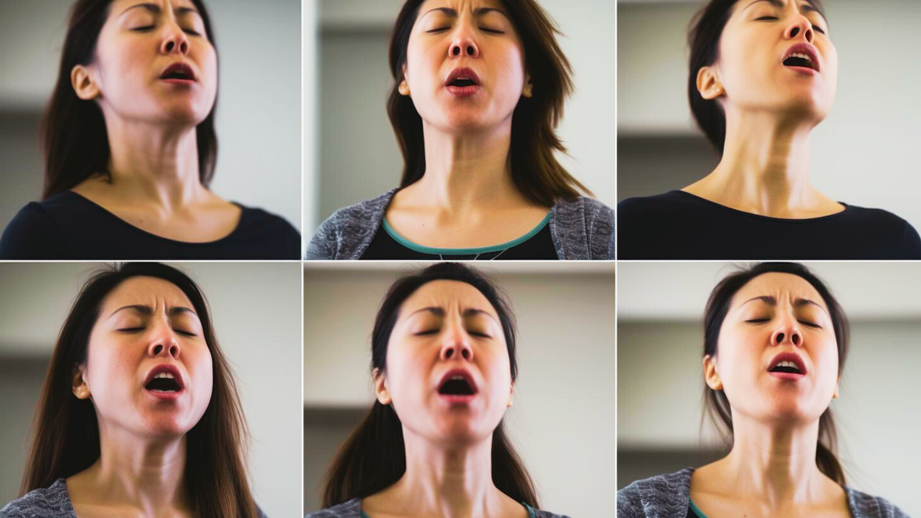
Rather than expect vaulting immersion into advanced repertoire immediately, thoughtfully develop supplemental exercises amplifying lesson takeaways through:
Daily Practice
- Consistent 15-30 minutes daily ingraining skills is better than cram sessions
- Scale fragments exercising high-note access
- Songs slightly beyond current ability stretching upward
Reinforcement Exercises
- Holding challenging notes builds strength
- Interval exercises decoding pitch relationships
- Chanting rhythm patterns syncing syllables to beats
Analytic Self-Assessment
- Journal progress honestly detecting wobbling notes without self-judgment
- Record weekly representations gauging tangible audio improvement
Catching errors early ensures proper foundational habits stick long-term. Be present with the process. Celebrate any micro improvements through compassion, not seeking perfection.
Repetition Without Repetition
Avoid practicing boredom using strategies like:
- Alternating musical styles/genres working the same technique
- Filming videos soliciting social media feedback
- Customizing mini-performances assessing expressivity
- Noting emotional state variations influencing sessions
- Switching physical locations to stimulate creativity
The brain incubates breakthroughs behind the scenes when we relax conscious pushing.
What Other Beginner Psychological Pitfalls Manifest?
While physically strengthening new muscles takes patience, mental assumptions often sabotage motivation even more in the absence of instant perceived virtuosity. Other tendencies include:
1) Judging gradual fundamental results as inadequate skill
Assumes deficiency lies with the person rather than focusing on requisite temporary knowledge gaps.
2) Over-scrutinizing recordings
Highlights not-yet-perfected elements rather than balancing with an appreciation of incremental progress however micro.
3) Seeking validation through peer comparison
External reference points ignore differences in physiology, prior training, and effort levels sabotaging motivation.
Stay supportive through compassionate self-talk and community reassurance of the natural vocal journey ahead. The destination lives inside reveling within musical and personal adventures unveiled through a commitment to daily excellence, however that manifests each lesson sequentially to the next.
Adjusting Mindsets Around Progress
Healthy mental reframes include:
- Celebrating the smallest signs of improvement
- Focusing on the enjoyment of the learning process itself
- Avoiding quantitative outcome-based assessments
- Using recordings to track averages not isolated performances
- Considering multiple genres as equal evidence of progress
Conclusion
Honing complex vocal skills requires measured expectations, strategic reinforcement, and compassionate self-care to enjoy the ride. Setting a strong yet flexible foundational framework from the initial 12-week conditioning period enables genuine artistry later. So rather than demand rapid results and then get disappointed at their underwhelming pace, reset your perspective to value small gains positively compounding over consistency. Lean into discomfort zones using recordings and journaling to celebrate technical insights translating into lessons applied anew in the next session.
Allow fundamentals their full patient process so musical expression blooms freely eventually unhindered by distractive tension. Then through steady dedication and mindfulness directing motivation inward then outward again creatively, what you can reasonably and joyfully achieve will unfold right on the singing schedule.
Frequently Asked Questions
Why do singing students expect instant progress unrealistically?
Culture conditions impatience - we access information instantly today. Beginners wrongly assume innate singing talent should manifest quickly and then feel discouraged.
What core vocal elements are trained initially?
Early lessons focus on posture, breath support, tone production, and basic music literacy competency establishing safe technical skills.
What reasonable progress manifests in 12 weeks?
Small posture/breathing improvements, moments of better tone sounding, and incremental music reading/rhythm recognition constitute realistic achievements signaling positive momentum.
How can students maximize these early training gains?
Thoughtfully reinforce sessions through 15-30 minutes of daily practice plus specific interval, strength, and rhythm exercises. Analyze progress frequently.
What mental traps sabotage motivation unrealistically?
Judging gradual results is inadequate, scrutinizing not-yet-perfected recordings, and benchmarking unfairly against peers rather than past self.
How can students stay encouraged through early vocal development?
By directing self-talk compassionately, focusing on the enjoyment of learning itself not quantified outcomes, and celebrating micro steps forward consistently.
What sustains lasting vocal improvement over time?
Strategic supplemental skill conditioning, measured expectations tracking gradual progress, and self-care avoiding self-judgment. Consistent dedication counts.