
Introduction
In the realm of industrial processes, where efficiency and precision are paramount, the significance of defoamers cannot be overstated. Managing and eliminating foam is a critical aspect of various applications, from manufacturing to food processing and wastewater treatment. In this comprehensive guide, we will delve deep into the intricate world of defoamers, helping you make informed decisions to enhance your operational efficiency.
Understanding the Foam Challenge
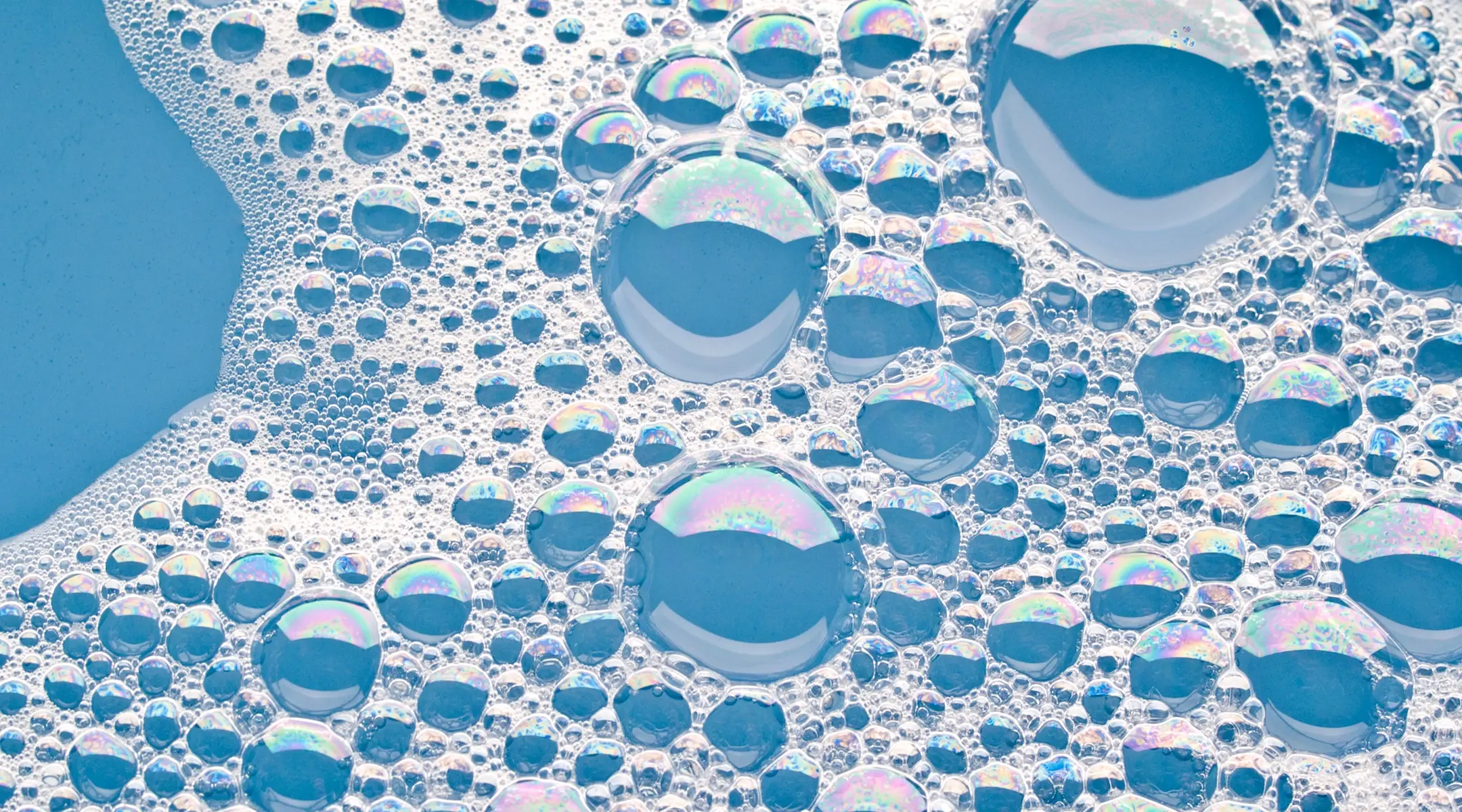
Before we embark on our journey to find the ideal defoamer, let's grasp the fundamental challenge - foam. Foam, often an unwanted byproduct in industrial processes, can wreak havoc. It affects product quality, disrupts processes, and leads to increased downtime and maintenance costs. Thus, selecting the right defoamer is not merely a choice; it's a necessity.
The Role of Defoamers
Defoamers, also known as antifoaming agents, are chemical additives designed to control and eliminate foam formation. They work by destabilizing the foam bubbles, causing them to collapse or coalesce, ultimately breaking the foam down.
Key Characteristics to Consider
When choosing a defoamer, several key characteristics should guide your decision-making process:
1. Application-specific Formulation
Not all defoamers are created equal. Different industries and processes have unique foam challenges. Ensure the defoamer you choose is tailored to your specific application, whether it's in the pharmaceutical, food and beverage, or manufacturing industry.
2. Compatibility
Ensure that the defoamer is compatible with your existing processes and other additives. Compatibility issues can lead to unwanted side effects or even process failures.
3. Persistence
Consider the duration of foam control required. Some processes need long-lasting foam control, while others only require a short-term solution. Make sure the defoamer's persistence aligns with your needs.
4. Regulatory Compliance
Compliance with regulatory standards is a fundamental requirement in numerous sectors. Ensure that the chosen defoamer meets all relevant regulatory requirements, including safety and environmental standards.
5. Efficiency and Dosage
Evaluate the efficiency of the defoamer. A good defoamer should require minimal dosage to achieve effective foam control, thus reducing operational costs.
The Defoamer Selection Process
Selecting the right defoamer involves a systematic approach:
Identify the Foam Source: Pinpoint the exact stage or process where foam is generated. This helps in selecting a defoamer that targets the root cause.
Consult Industry Experts: Seek advice from experts in your field or consult with defoamer manufacturers who can provide insights based on their experience.
Testing and Evaluation: Conduct small-scale trials to test the effectiveness of potential defoamers in your specific application. Monitor and record results meticulously.
Dosage Optimization: Determine the optimal dosage of the selected defoamer to achieve the desired results without overusing the product.
Continuous Monitoring: Regularly assess the performance of the chosen defoamer and make adjustments as necessary.
Challenges in Defoamer Selection
While choosing the right defoamer is crucial, it's not always a straightforward process. There are challenges to be aware of:
1. Foam Complexity
Foam can vary greatly in terms of its composition and stability, making it challenging to find a one-size-fits-all defoamer.
2. Compatibility Issues
Defoamers may interact with other additives or chemicals in your process, leading to compatibility issues that can be difficult to predict.
3. Environmental Concerns
As environmental regulations become stricter, choosing a defoamer that is both effective and environmentally friendly can be a complex task.
4. Cost Considerations
Balancing the cost of a defoamer with its effectiveness and long-term benefits can be a delicate equation to solve.
Conclusion
In conclusion, the selection of the right defoamer is pivotal for optimizing your industrial processes. By understanding the nature of foam challenges, considering key characteristics, exploring various types of defoamers, and examining application-specific scenarios, you can ensure smooth operations, reduced costs, and enhanced product quality.