
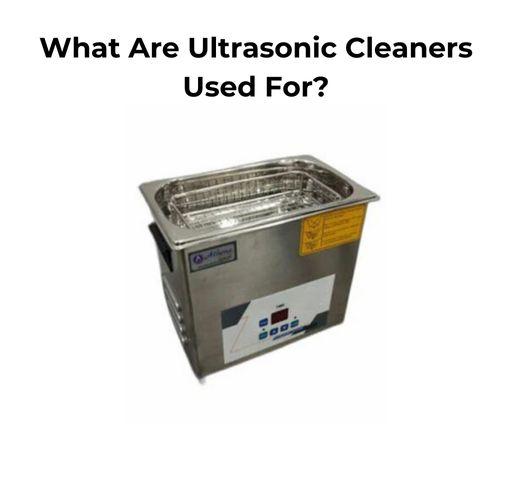
Keeping things clean is essential, especially in places like labs, hospitals, and workshops. But not every surface or object can handle regular cleaning methods. Some items are too delicate, too small, or just too complex in shape. This is where ultrasonic cleaners come in. They offer a powerful yet gentle cleaning method that doesn’t damage surfaces but removes dirt, grime, and tiny particles effectively.
What is an Ultrasonic Cleaner and How Does It Work?
To understand ultrasonic cleaners, think about sound waves. These machines use high-frequency sound waves, not to make noise, but to clean. They work through a process called cavitation, where these sound waves create tiny bubbles in a liquid. When the bubbles burst, they create a small force that lifts dirt and contaminants from surfaces.
This method is effective because the ultrasonic waves can reach into tiny spaces, corners, and cracks that hands or brushes can’t access. The process is quick, safe, and ideal for cleaning items that can’t be scrubbed or washed harshly.
Components of an Ultrasonic Cleaning Machine
An ultrasonic cleaning machine typically has the following parts:
-
Tank to hold the cleaning solution
-
Transducers that produce high-frequency sound waves
-
Heater to warm the solution (optional but useful)
-
Timer to control cleaning duration
The user places the item in the tank, sets the timer, and lets the machine do its work. There is no physical scrubbing involved, which protects delicate surfaces from damage.
What is an Ultrasonic Bath?
An ultrasonic bath is another name for the tank part of the ultrasonic cleaning machine. It holds the cleaning liquid and the items being cleaned. When someone refers to an ultrasonic bath cleaner, they are usually talking about the complete setup that cleans using sound waves in a liquid bath.
This bath is useful for cleaning items that have complex shapes or tiny details, like laboratory glassware, jewelry, or dental tools. It ensures that every part of the item gets cleaned, even if it can’t be reached manually.
How Ultrasound is Used for Cleaning
Ultrasound refers to sound waves above the range of human hearing. In cleaning, ultrasound is used not for hearing but for producing vibrations in a liquid. These vibrations create the cavitation bubbles that help remove dirt from the item’s surface.
This method works well for items like:
-
Metal parts
-
Glassware
-
Plastic components
-
Electronic parts (with care)
How ultrasound is used for cleaning is simple: sound waves create energy in the liquid, and that energy cleans items effectively without any physical force.
Common Ultrasonic Cleaner Uses in Different Fields
Ultrasonic cleaners are not limited to one industry. Their versatile cleaning power makes them useful in many fields. Below are common ultrasonic cleaner uses across various sectors.
Medical and Dental Clinics
-
Cleaning surgical instruments
-
Sterilizing dental tools
-
Ensuring hygiene and safety
These items must be thoroughly cleaned without damage, making ultrasonic bath cleaner machines the perfect choice.
Laboratories
-
Cleaning test tubes, beakers, and lab equipment
-
Removing chemical residues
-
Maintaining precision in experiments
Many lab equipment suppliers in India recommend using ultrasonic cleaners to ensure lab tools are spotless and ready for use.
Jewelry Cleaning
-
Restoring shine to rings, necklaces, and earrings
-
Removing dirt from hard-to-reach spots
Using an ultrasonic cleaning machine helps preserve the look and value of jewelry without scratching the surface.
Automotive Industry
-
Cleaning carburetors, injectors, and engine parts
-
Removing oil, grease, and metal shavings
The ultrasonic bath cleaner cleans thoroughly without leaving residue, ensuring parts work smoothly.
Electronics
-
Cleaning circuit boards and electronic components
-
Avoiding damage to delicate parts
Caution is needed, but ultrasonic cleaners are often used by professionals to handle sensitive electronic items.
Manufacturing and Precision Tools
-
Cleaning molds, tools, and machinery parts
-
Preparing parts for assembly
Using ultrasonic cleaners increases efficiency and reduces the risk of contamination during production.
Why Choose Ultrasonic Cleaning Over Traditional Methods?
There are several reasons why ultrasonic cleaning is preferred over regular cleaning methods, especially in sensitive environments.
1. Reaches Every Corner
Unlike brushes or cloth, ultrasonic cleaners reach every small crack and corner.
2. Saves Time
Cleaning is quicker, often taking just a few minutes.
3. No Surface Damage
Delicate items remain unharmed. The ultrasonic cleaning machine does not scratch or wear out the surface.
4. Reduces Chemical Use
The method uses less cleaning solution, making it safer and more eco-friendly.
5. Long-Term Cost Benefits
Once purchased, ultrasonic cleaners can be used for years, reducing cleaning costs over time.
Who Uses Ultrasonic Cleaners Regularly?
Several sectors benefit from these machines. Below are the most common users:
-
Laboratories using laboratory equipment that needs precise cleaning
-
Hospitals and dental clinics needing sterile tools
-
Jewelry shops needing clean and polished items
-
Electronics workshops dealing with delicate components
-
Factories using precision tools and molds
For these industries, reliable suppliers matter. Companies like Athena Technology, a trusted ultrasonic cleaners supplier in India, provide high-quality cleaning machines for these needs. They are also known as a lab equipment supplier in India, offering various laboratory equipment solutions.
How to Choose the Right Ultrasonic Cleaning Machine?
Not all ultrasonic cleaners are the same. Choosing the right one depends on your specific needs.
Key Factors to Consider:
-
Tank size: Larger items need larger tanks
-
Frequency: Higher frequency for delicate items, lower for heavy-duty cleaning
-
Power: More power means faster and more effective cleaning
-
Temperature control: Heated cleaning solutions can improve cleaning
-
Timer settings: Control the length of each cleaning cycle
When choosing, work with a trusted ultrasonic cleaners supplier in India like Athena Technology, known for providing durable and effective machines suited for different industries, including laboratories.
Maintenance Tips for Ultrasonic Cleaners
Proper maintenance ensures long-term use and consistent performance.
-
Regularly clean the tank after use
-
Use recommended cleaning solutions
-
Avoid overloading the tank
-
Check the transducer for any issues
-
Follow manufacturer guidelines
Maintaining the ultrasonic bath cleaner well means better results and lower repair costs over time.
Unique Benefits of Ultrasonic Cleaning
-
Can clean multiple items at once, increasing productivity
-
Does not require physical effort; works automatically
-
Reduces the risk of cross-contamination in medical or lab settings
-
Safe for materials like glass, metal, and plastic
-
Often used in pharmaceutical labs, dental offices, and optical centers
Frequently Asked Questions
Q1. What items should not be cleaned in an ultrasonic cleaner?
Answer- Soft gemstones, certain electronic parts, and items that absorb water should not be cleaned in ultrasonic cleaners.
Q2. How long should an item stay in an ultrasonic bath cleaner?
Answer- Cleaning time varies between 3 to 20 minutes depending on the item and level of dirt.
Q3. Can ultrasonic cleaning machines remove rust?
Answer- Yes, surface rust can be removed, but deeper corrosion may require additional treatment.
Q4. Is ultrasonic cleaning safe for electronics?
Answer- It is safe for many electronic parts but always follow safety guidelines and remove power sources before cleaning.
Q5. What cleaning solution should be used?
Answer- Mild detergents or specific solutions designed for ultrasonic cleaners work best.
Q6. How often should the cleaning solution be changed?
Answer- Change it when it becomes dirty or after each cleaning cycle for sensitive applications.
Q7. Do ultrasonic cleaners make noise during operation?
Answer- They produce a mild buzzing sound, but it is not harmful.
Conclusion
Ultrasonic cleaners provide a smart and effective way to clean items that require precision and care. They are widely used in laboratories, clinics, jewelry shops, and industrial facilities for their ability to clean thoroughly without causing damage. The use of ultrasound for cleaning offers significant advantages, from saving time to reducing chemical use.
For professionals and businesses needing reliable cleaning solutions, companies like Athena Technology, a leading ultrasonic cleaners supplier in India, offer machines that deliver safe, efficient, and long-lasting performance. Investing in the right ultrasonic cleaning machine helps maintain hygiene, ensure quality, and improve productivity in any workspace.